



Minister Urges Integration of Women’s and Children’s Needs in Disaster Mitigation
- 09 Sep 2026 06:58 WIB
- Voice of Indonesia
Poin Utama
- The climate crisis increases women’s and children’s vulnerability to gender‑based violence and child marriage during disasters and displacement.
- A gender‑responsive approach supported by accurate, disaggregated data is essential for identifying the needs of women and children across all stages of a disaster.
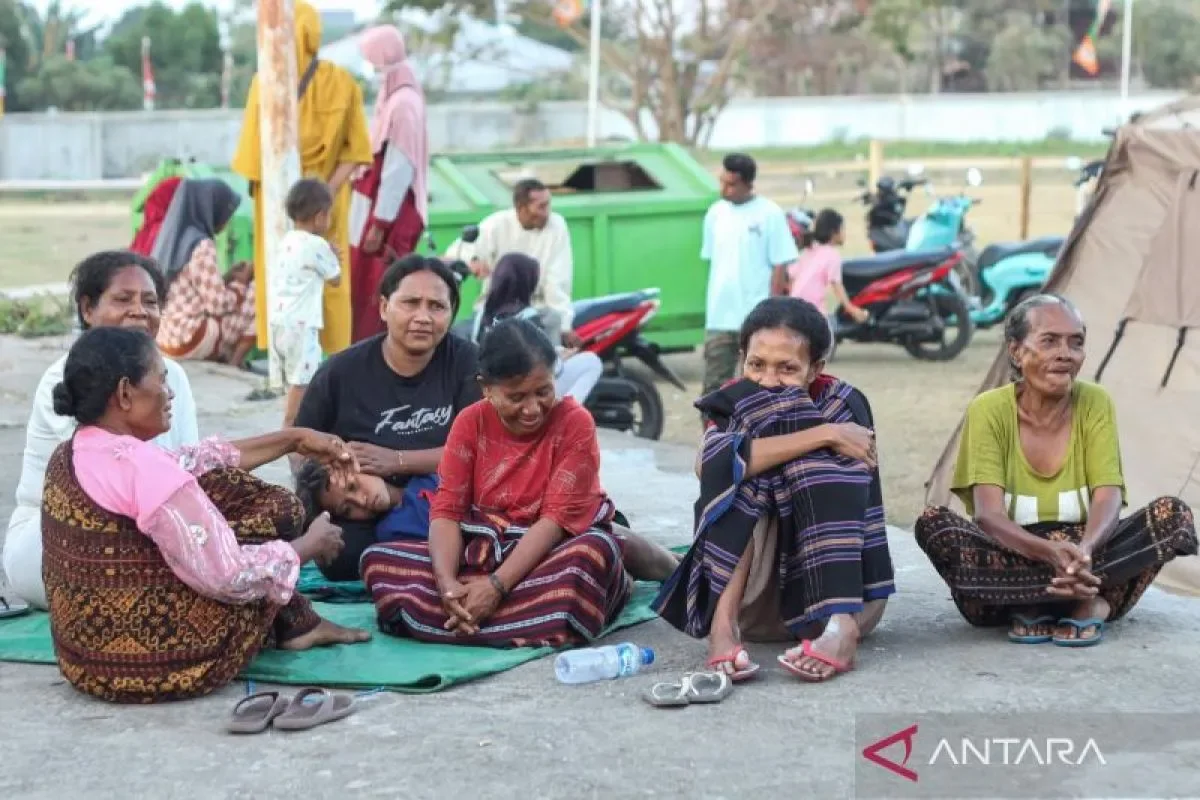
RRI.CO.ID, Jakarta - The climate crisis threatens the environment, people’s livelihoods, and the safety of women and children, who face heightened risks of gender‑based violence (GBV) and child marriage during disasters.
Women’s Empowerment and Child Protection (PPPA) Minister Arifah Fauzi said women and children experience distinct needs and vulnerabilities in emergency situations, including limited access to clean water, sanitation, reproductive health services, and protection from violence.
“Climate change has distinct impacts on women and children, including needs and risks related to clean water, sanitation, reproductive health services, and protection from violence,” Minister Arifah Fauzi told the United Nations Population Fund (UNFPA) and the Women Research Institute (WRI) in Jakarta on Tuesday, September 8, 2026, as quoted by Antara.
| Baca juga: Govt Submits Traffic Law Amendment Inventory |
She said these vulnerabilities require attention at every stage of disaster management--from preparedness and response to recovery--and must be integrated into disaster mitigation planning.
Minister Arifah stressed the importance of accurate, disaggregated data to strengthen the gender perspective in climate change response. Such data enables the government to identify vulnerable groups and tailor policies to conditions in affected communities.
“Accurate data is crucial to avoid errors in identifying beneficiaries. Data collection must reflect actual socio‑economic conditions so government support can be delivered precisely according to needs on the ground,” she said.
She cited disaster mitigation efforts in East Nusa Tenggara (NTT) as an example, noting that strong data and coordination are essential for identifying community needs, particularly those of women and children.
Minister Arifah emphasized that this needs‑based approach must be applied consistently throughout all phases of disaster management to ensure climate crisis responses do not overlook groups with specific vulnerabilities.
The Ministry of Women’s Empowerment and Child Protection continues to promote gender integration in the climate agenda through the National Action Plan on Gender and Climate Change (RAN‑GPI), which covers seven strategic sectors: food, forestry, energy, the green economy, disaster mitigation, social health, and marine affairs.
“Gender integration must go beyond administrative indicators. KemenPPPA is ready to make a strategic contribution to ensure that climate policies and funding implemented by technical ministries incorporate Gender Mainstreaming and Social Inclusion (PUG‑IS),” Minister Arifah said. ***
News Recomendation
Memuat berita terbaru.....