



House Legislation Body Pushes Two-Year Agrarian Reform Agency
- 04 Sep 2026 06:04 WIB
- Voice of Indonesia
Poin Utama
- The House encourages the Agrarian Reform Agency to be ad hoc with execution authority across ministries and institutions for a two‑year term.
- Agrarian reform problems persist because no single agency currently has the authority to execute their resolution.
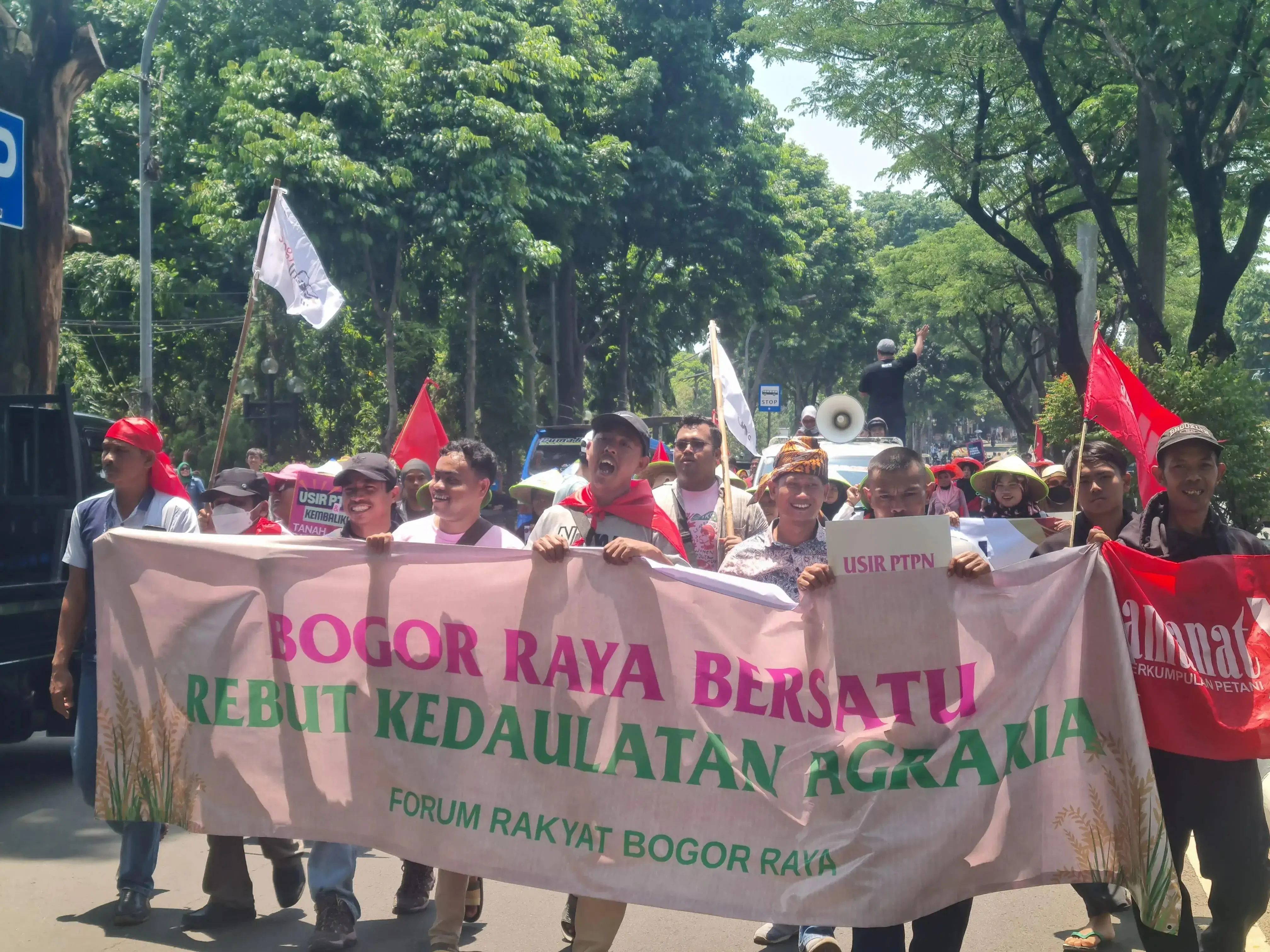
RRI.CO.ID, Jakarta – Lawmaker of the Indonesian House of Representatives’ Legislation Body (Baleg), Siti Aisyah, is pushing for the establishment of an ad hoc Agrarian Reform Agency. She believes the agency should have a defined term of office and clear targets for resolving agrarian issues.
Siti conveyed this view during a Baleg meeting at the Nusantara I Building in the Parliament Complex, Senayan, Jakarta. She said the special agency should serve as an instrument to address agrarian reform issues rather than adding to a permanent institutional structure.
“If we choose an agrarian reform agency, it must be ad hoc. Why do I use the term ‘ad hoc’? Because reform is transitional,” Siti said in Jakarta on Thursday, September 3, 2026.
She proposed a two‑year term for the agency, with the possibility of extension if it fails to meet its targets for resolving agrarian issues.
“When it is ad hoc, we give it a timeframe. For example, two years with the option to extend. This allows it to have a concrete target for completion,” she said.
Meanwhile, Baleg member Mardani Ali Sera said the agrarian reform agency should also be non‑structural. According to him, such a form would give the agency the flexibility needed to overcome coordination obstacles between ministries and institutions.
He argued that the current problems in agrarian reform are not solely due to the absence of a functioning institution. Rather, no single agency currently has the authority to resolve these issues.
“In Commission II, within the National Land Agency (BPN), there are already regional agrarian reform tasks. They exist, but none of them have the authority to execute,” Mardani said.
He added that the agrarian reform agency must be able to overcome coordination barriers while carrying out its execution function. However, the agency should remain temporary and be tasked with resolving agrarian reform issues within a specific timeframe.
“As I mentioned earlier, this agency’s framework is non‑structural. Its authority is limited to a specific period to resolve all issues,” he said.
Mardani also cited the Philippines as an example, noting that the country once established an agrarian reform agency with a defined term. After the agency completed its duties, its structuring function was handed over to existing institutions.
“In the Philippines, there was one, and it was successful. The agrarian reform agency existed for only ten years. After normalization, its duties were handed over to existing institutions,” he said.
He believes this model could serve as a reference for designing agrarian reform institutions in Indonesia. Under such a model, the agency would serve as a tool for resolving issues that require cross‑sectoral coordination and authority.
Ultimately, the agency’s success would be measured by its ability to resolve conflicts and carry out agrarian structuring. Once these tasks are completed, the structuring function can be returned to existing institutions. (Misni Parjiati)
News Recomendation
Memuat berita terbaru.....