



Buya Hamka Becomes a Key Figure in Modern Islamic Reform Across Southeast Asia
- 05 Sep 2026 06:43 WIB
- Voice of Indonesia
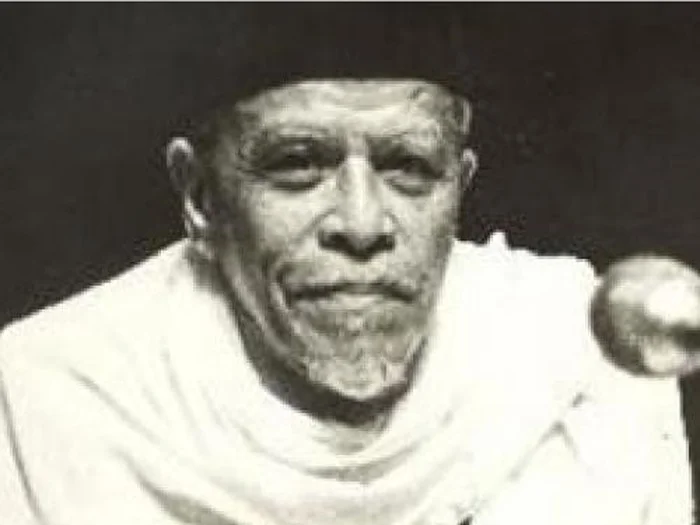
RRI.CO.ID, Jakarta - Buya Hamka, an Indonesian Islamic scholar and novelist, is remembered as one of the most influential Islamic thinkers in Southeast Asia during the 20th century. For decades he led a movement to modernize Islamic practice through the organization Muhammadiyah.
He wrote novels that are now considered classics of Indonesian literature. His life shows how religion, education, and literature can reinforce one another in shaping a nation.
Born Haji Abdul Malik Karim Amrullah, he came into the world on February 17, 1908, in Maninjau, a town in West Sumatra, Indonesia. He grew up in a family of religious scholars; his father, Abdul Karim Amrullah, was a leading figure who brought Islamic reform ideas from the Middle East to Indonesia. Although Hamka had little formal schooling, he was largely self-taught and deepened his religious knowledge during a pilgrimage to Mecca in his youth.
The turning point in his life came in 1925, when Hamka joined Muhammadiyah, a modernist Islamic organization founded in 1912 that today is one of the largest religious organizations in Indonesia, focused on education, healthcare, and community welfare. He was drawn to it because its vision matched his own belief that Islamic teaching needed to be purified of practices that had strayed from its original sources, the Quran and the Hadith.
Hamka's role within Muhammadiyah grew after he moved to the city of Makassar and later to Jakarta, Indonesia's capital. There he was entrusted with leading local branches of the organization and became a central figure in spreading modernist Islamic ideas.
He used his writing to reach an even wider audience, producing popular novels such as "Tenggelamnya Kapal Van der Wijck" and "Di Bawah Lindungan Ka'bah," works that wrapped moral and religious messages inside stories accessible to ordinary readers.
For Hamka, education was the key to progress for the Muslim community. Through Muhammadiyah, he supported the founding of schools that combined religious study with modern academic subjects, believing that Muslims needed to master science and technology without losing their spiritual roots. This outlook earned him a reputation as a moderate thinker open to ijtihad, the practice of critical reasoning used to interpret religious teachings in light of changing times.
Hamka's path was not without hardship. In 1964, under President Sukarno's government during what became known as the "Old Order" era, he was arrested on accusations of involvement in anti-communist political activity. He was released in 1966 and the experience did not slow him down. He also frequently faced criticism from more conservative Islamic groups who resisted his reformist ideas, but he responded to such criticism calmly and with restraint.
Hamka died on July 24, 1981, yet his influence has endured. He is remembered not only for literary works still read across generations, but also for the moderate and inclusive spirit of Islamic reform he passed on to Muhammadiyah, an organization that today serves millions of members and runs thousands of schools and hospitals throughout Indonesia.
News Recomendation
Memuat berita terbaru.....