



Law Expert Delivers Critical Remarks on the Asset Forfeiture Bill
- 30 Agt 2026 23:31 WIB
- Voice of Indonesia
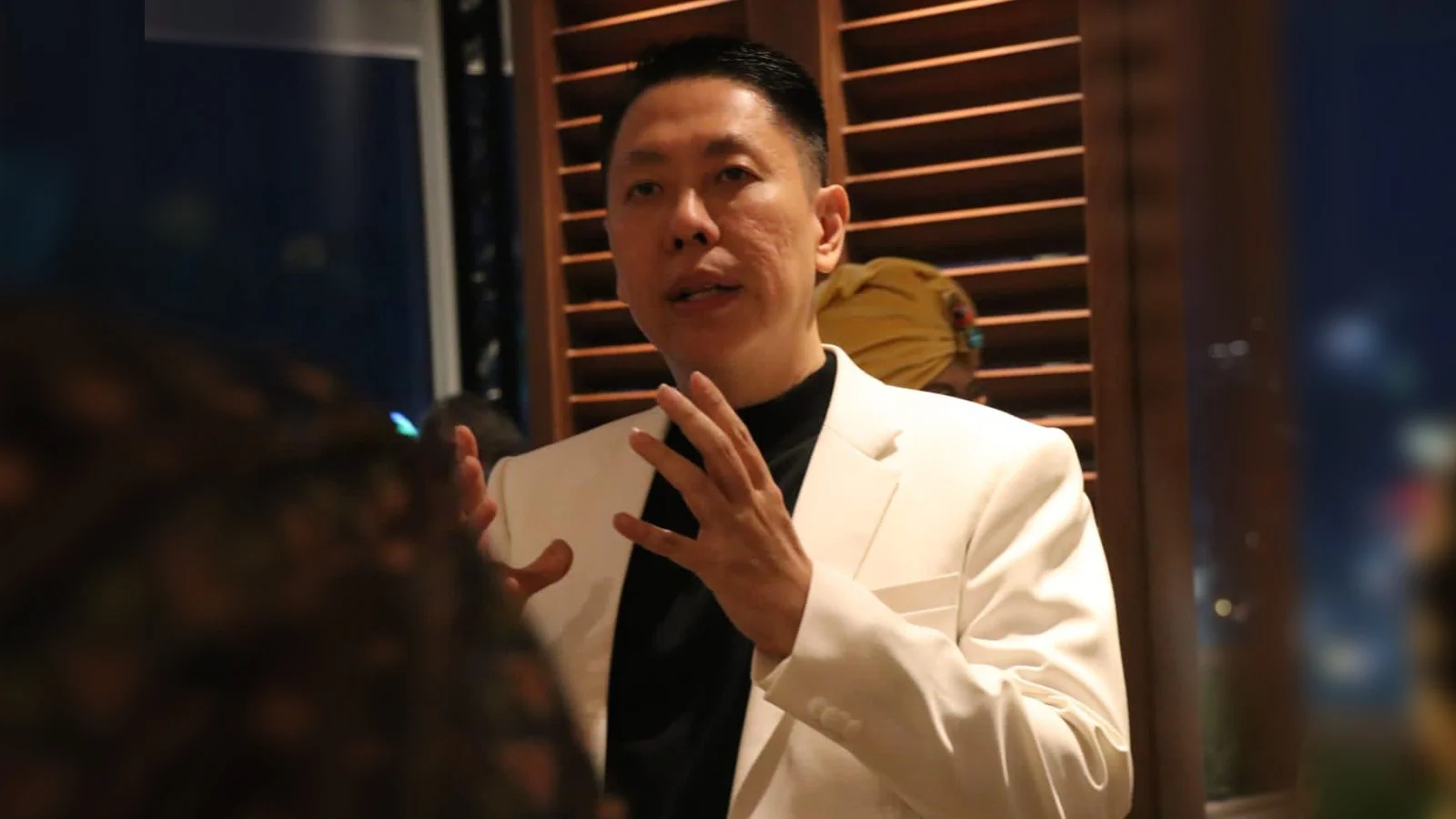
RRI.CO.ID, Jakarta — The deliberation of the Draft Bill on Asset Forfeiture Related to Criminal Offenses by Commission III of the House of Representatives (DPR RI) continues to attract public attention. Although the legislation is considered crucial for recovering state losses, it is also seen as carrying significant risks if it is not protected by strict legal provisions.
Professor at Sultan Agung Islamic University in Semarang, Prof. Dr. Henry Indraguna, S.H., M.H., stated that the bill is like a double-edged sword. On the one hand, it could be effective in breaking the chain of economic crimes. On the other hand, it could potentially become an instrument of arbitrariness or abuse of power if it disregards the principles of the rule of law.
“We must not allow this Asset Forfeiture Bill to shift its focus from asset recovery to asset hunting. We fully support the state in pursuing the proceeds of crime. However, legitimate ownership of assets by businesses and members of the public must not simply be criminalized,” Prof. Henry Indraguna conveyed while presenting his legal analysis on the sidelines of a celebration marking his 53rd birthday in Jakarta, Saturday, August 29, 2026.
The legal expert also raised concerns about the mechanism for asset forfeiture without a criminal conviction, known as Non-Conviction Based (NCB) asset forfeiture. He said NCB should be positioned as an exceptional remedy, rather than serving as a shortcut for law enforcement authorities to circumvent the ordinary criminal justice process.
Prof. Henry further underscored the importance of a balanced or sequential burden of proof. “A person cannot suddenly be presumed guilty simply because they possess substantial assets that have not yet been recorded in their financial statements. The state must first establish strong indications of a criminal offense before shifting the burden to the asset owner to explain the origin of the assets. A strict distinction must also be maintained between an entrepreneur’s personal assets and corporate assets,” Prof. Henry conveyed.
He also highlighted the need for legal safeguards protecting third parties acting in good faith, including business partners, banks, and minority shareholders. “Without explicit protection, reckless asset seizures could trigger a domino effect, including disruptions to business supply chains, termination of employment, and even the bankruptcy of business entities that are actually innocent,” he said.
The legal expert proposed that the bill include a wrongful seizure compensation clause. Such a mechanism is essential as a form of state accountability if a court later determines that assets seized by law enforcement were legally acquired and had no connection to criminal activity.
Henry, who also serves as Deputy Chairman of the Board of Trustees of the Indonesian Advocates Congress (KAI), warned that the passage of the bill should not be driven merely by the deadline for the plenary session. “The measure of this law’s success should not be how many assets the state manages to seize, but how precisely the state can recover criminal assets without sacrificing the rights of citizens and business actors who act in good faith,” Henry said.
Meanwhile, House of Representatives ( DPR RI) has assured the public that the formulation of the Asset Forfeiture Bill is not being rushed, with the aim of minimizing legal loopholes.
He further conveyed, provisions concerning NCB asset forfeiture, reverse burden of proof, and protection for third parties acting in good faith are currently being examined carefully by Parliament.
Chairman of Commission III of the DPR RI, Habiburokhman, reaffirmed Parliament’s commitment to maintaining a balance between law enforcement and the protection of citizens’ rights.
“Commission III of the DPR RI is committed to ensuring that the Draft Law on Asset Forfeiture Related to Criminal Offenses can operate effectively, proportionally, fairly, and for the benefit of society. Therefore, input from the public and legal experts is essential for us in developing a legislative draft that is participatory, comprehensive, and aligned with the interests of the nation and the state,” he explained.
News Recomendation
Memuat berita terbaru.....