



Transmigration Shift Aims to Build Productive Economic Hubs Across Indonesia
- 25 Agt 2026 21:32 WIB
- Voice of Indonesia
Poin Utama
- Transmigration areas are being transformed into hubs of jobs, markets, and investment.
- Economic opportunities must precede relocation, ensuring locals benefit directly.
- Five flagship programs drive land certainty, local empowerment, and collaboration.
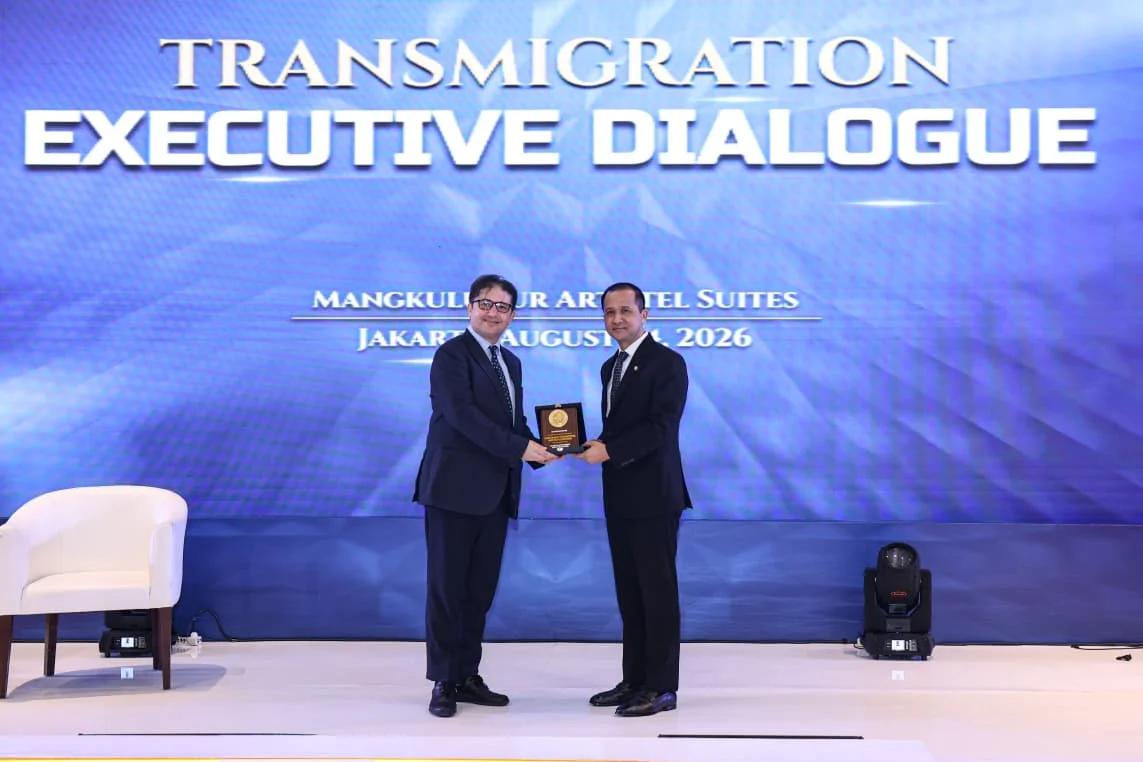
RRI.CO.ID, Jakarta – The Indonesian Ministry of Transmigration is steering transmigration areas into new centers of economic growth, designed to generate productive jobs, raise household incomes, expand markets for farmers and local businesses, and attract investment.
The transformation is seen as increasingly relevant amid global economic and geopolitical shifts. Professor of Economics Soner Başkaya from the University of Glasgow described transmigration as “the right program at the right time,” noting Indonesia’s neutral political stance, strategic trade routes, and vital natural resources such as nickel that are crucial for future industries.
He emphasized that investment in transmigration zones must translate into tangible benefits: creating jobs, enhancing skills, supporting local enterprises, and linking communities to broader markets.
To achieve this, areas need processing centers, logistics networks, modern facilities, financing access, and innovation ecosystems, ensuring communities benefit from the full value chain rather than just raw commodity sales.
Minister of Transmigration M. Iftitah Sulaiman Suryanagara echoed this view, stressing that economic opportunities must precede population relocation.
“The future of transmigration is not moving people first and hoping opportunities follow. We must build jobs and livelihoods, then mobility will happen voluntarily and securely,” he said, as quoted on the ministry's official website on Tuesday, August 25, 2026.
For communities, this approach means more employment options without migrating to big cities. Farmers and small businesses gain access to technology, financing, partnerships, and wider markets. Success, Başkaya noted, should be measured not by investment figures but by real improvements: more productive jobs, higher incomes, stronger local enterprises, and sustainable regional economies.
The ministry’s new paradigm is anchored in five flagship programs:
- Trans Tuntas: legal certainty over land.
- Trans Lokal: ensuring locals are primary beneficiaries.
- Trans Patriot: bringing knowledge, technology, and skilled talent.
- Trans Karya Nusantara: driving investment and job creation before relocation.
- Trans Gotong Royong: fostering collaboration among government, academia, business, and communities.
This collaborative spirit was evident at the Transmigration Executive Dialogue (TED) in Jakarta on Monday, August 24, 2026, attended by multiple ministries, universities, businesses, and civil society. Minister Iftitah highlighted the importance of building ecosystems that integrate land, infrastructure, energy, investment, markets, and human capital.
He cited China’s durian market, valued at IDR 137 trillion annually, as an example of how Indonesia should not stop at exporting raw commodities but instead develop full industry ecosystems--from research and cultivation to processing, logistics, and global marketing.
Ultimately, transmigration is being redefined: not as relocation alone, but as a strategy to create thriving, self-sustaining regions where local communities are hosts, drivers, and beneficiaries of development. ***
News Recomendation
Memuat berita terbaru.....