



Tri Hita Karana is Globally Relevant to Future Food Development: FAO Indonesia
- 22 Jun 2026 21:43 WIB
- Voice of Indonesia
Poin Utama
- FAO adopts Tri Hita Karana as an ethical framework for transforming sustainable agriculture in Indonesia and Timor‑Leste.
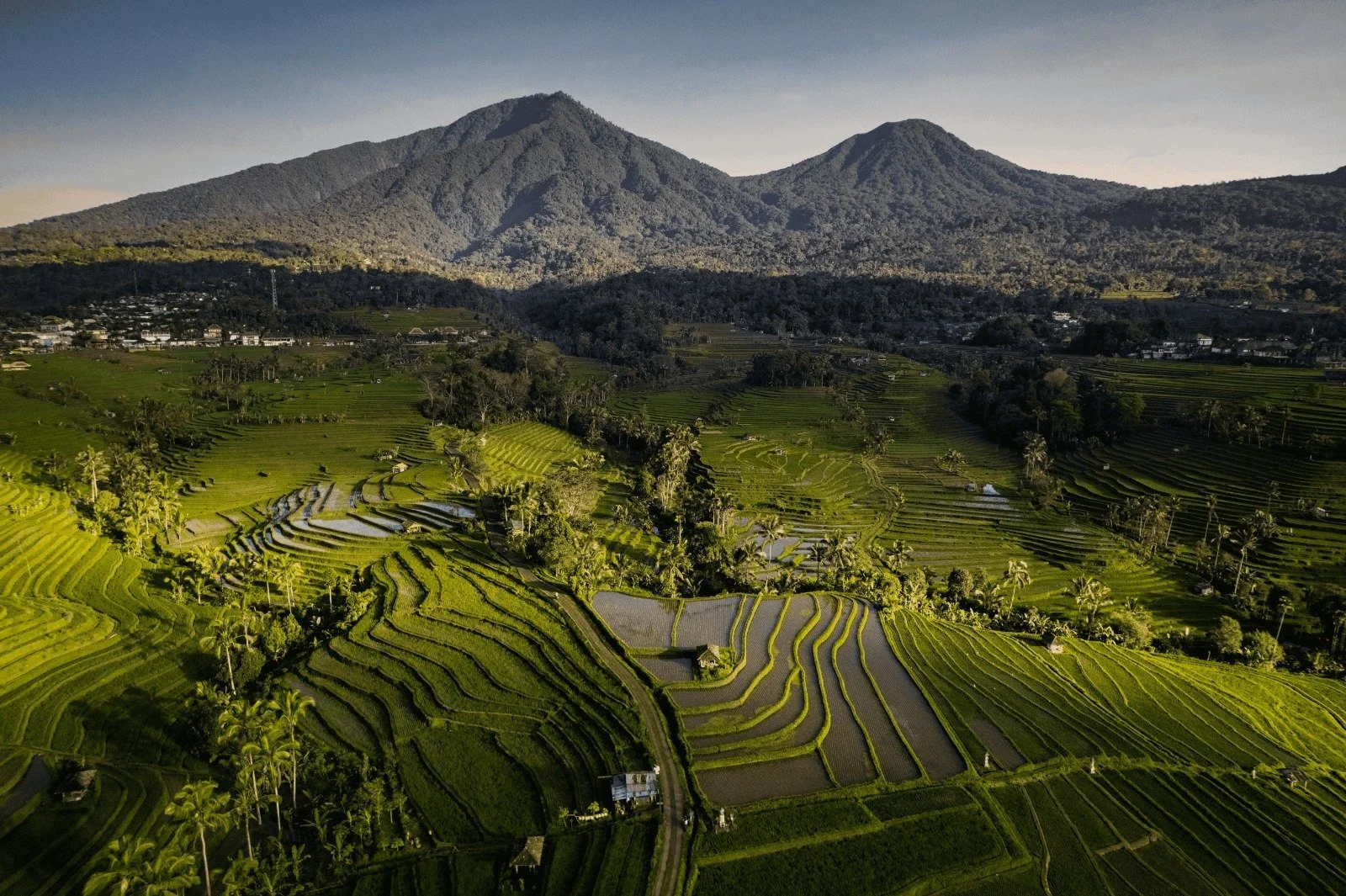
- In Bali, the principle is reflected in the Subak Jatiluwih system in Tabanan Regency.
RRI.CO.ID, Jakarta - The Balinese philosophy of Tri Hita Karana has been recognized by the United Nations Food and Agriculture Organization (FAO) as an ethical framework for transforming sustainable agricultural systems in Indonesia and Timor‑Leste.
The concept emphasizes harmony between humans, nature, and the spiritual dimension as the foundation for managing life, including agriculture.
FAO Representative for Indonesia and Timor‑Leste, Rajendra Aryal, said the approach is globally relevant to developing future food systems. “Tri Hita Karana transcends generations and is a classic example that we want the world to recognize,” Aryal said in a statement in Sanur, Denpasar, on Monday, March 30, 2026, as quoted by Antara.
In Bali, the principle is reflected in the Subak Jatiluwih system in Tabanan Regency, which has been recognized by UNESCO as Intangible Cultural Heritage. The system demonstrates how water, land, and the community are managed collectively and sustainably.
A delegation from 12 countries in Asia and Africa is scheduled to visit Subak Jatiluwih to study low‑emission agricultural practices, focusing on irrigation systems that are efficient and adaptive to climate change.
FAO identifies the main challenges to sustainable agricultural transformation as water scarcity, carbon emission pressures, soil degradation, and climate adaptation. “Practices such as alternating irrigation and drying can reduce methane emissions by 20–30 percent while also cutting water consumption,” Aryal said.
Beyond technical aspects, FAO also highlights the importance of high‑yielding varieties, integrated systems, and market policies and incentives that support low‑emission practices. The transformation must also be inclusive by involving women, youth, and vulnerable groups in building a sustainable food ecosystem.
Tri Hita Karana, meaning “the three causes of happiness,” centers on creating balance and harmony in life through three key relationships: Parahyangan (spiritual values), Pawongan (humanity), and Palemahan (nature). ***
News Recomendation
Memuat berita terbaru.....