



The House Delivers Three Strategic Steps to Face the Global Food Crisis
- 30 Mar 2026 13:01 WIB
- Voice of Indonesia
RRI.CO.ID, Jakarta - Global food conditions are under serious threat due to the Iran–Israel conflict and tensions involving the United States, which continue to drive up global food prices. The ongoing strain from the Ukraine–Russia war has also not subsided. These two conflicts have created a serious “disruption” in terms of global food balance.
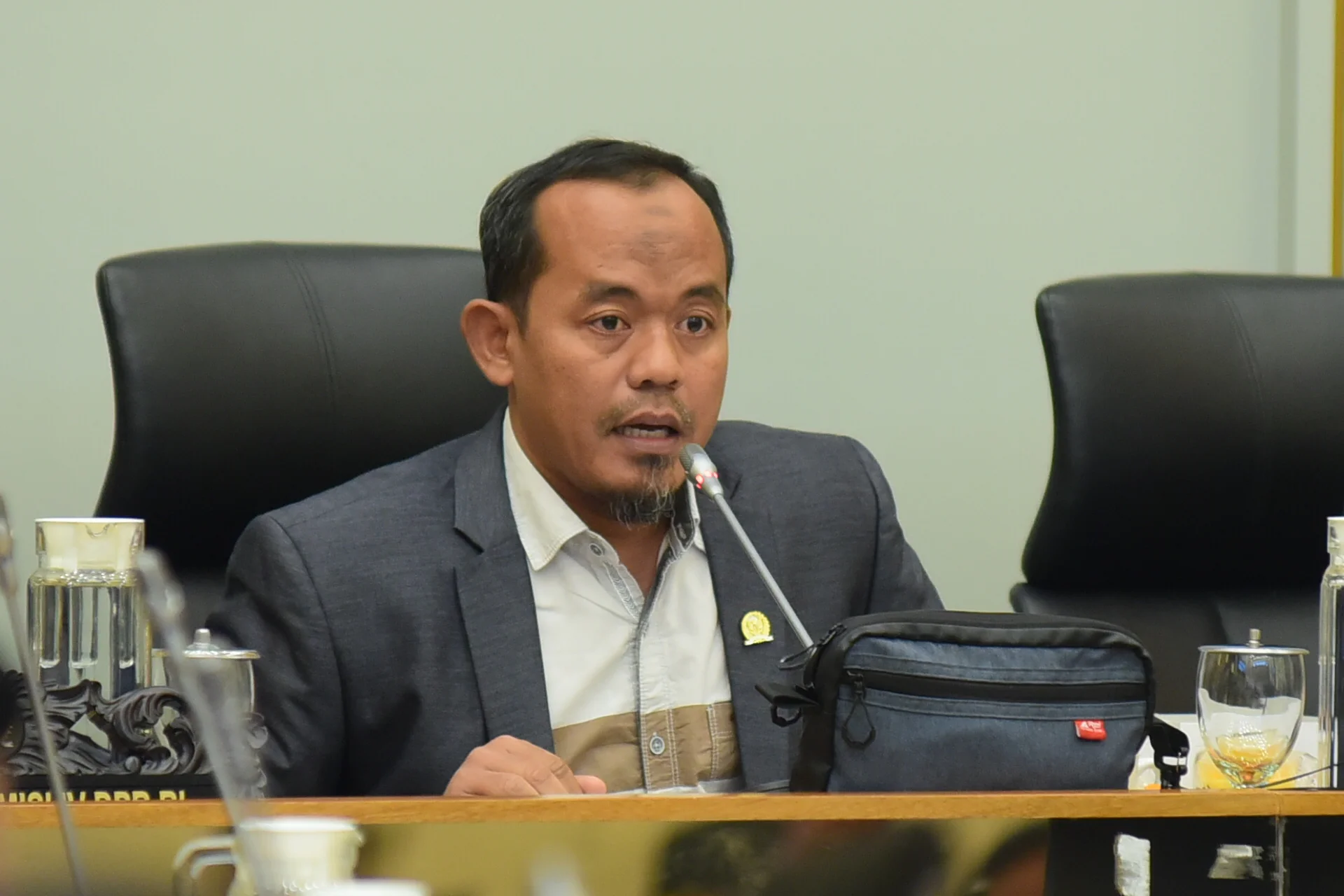
Riyono, a member of Commission IV of Indonesia’s House of Representatives (DPR RI), made the statement as quoted by dpr.go.id in Jakarta on Sunday, 29 March 2026.
The MDGs (Millennium Development Goals) program is considered to be at risk of failing in addressing global hunger. Around 1 billion people worldwide are threatened by hunger, with many deaths occurring as a result.
The second SDG (Sustainable Development Goal) target for 2030, ending hunger, achieving food security, improving nutrition, and promoting sustainable agriculture, now appears at risk of failing for the second time due to extreme changes in the global food landscape.
“This means the world has failed to manage the global food supply chain. The conflicts involving Iran, the United States, and Israel have increased global uncertainty, prompting food-producing countries to prioritize retaining supplies for themselves,” Riyono conveyed.
According to him, global failure in food distribution has led to rising prices, declining availability, and high demand. Food commodities have become political tools that marginalize farmers.
“Food and energy, as basic human necessities, have turned into powerful weapons used to dominate or even ‘colonize’ countries in the name of imports, while the main producers, farmers and their nations remain poor and suffering,” he said.
To ensure Indonesia’s food security, Riyono proposed three strategic steps:
First, in facing current global conditions that are edging closer to crisis, Indonesia must prioritize food availability as the main foundation of food sovereignty.
“Rice reserves, which have surpassed 4 million tons, must be maintained in terms of quality and management,” he emphasized.
Second, protect farmers as the main food producers through effective agricultural price incentive schemes. Favourable prices for dried harvested rice (GKP) and corn should be maintained, and if necessary, supported with agricultural insurance to mitigate risks such as prolonged drought.
Third, safeguard the budget allocation for the agriculture and fisheries sectors from efficiency cuts. Riyono stressed that the Rp60 trillion agricultural budget must not be reduced, as food and protein security depend on these sectors. If needed, the budget should be increased to anticipate the global food crisis.
“These three steps will help protect Indonesia from a food crisis. People must not face high food prices due to the impacts of war and global uncertainty. It is the state’s duty to ensure food reaches dining tables, including in rural and remote areas of the country,” Riyono said.
News Recomendation
Memuat berita terbaru.....