



Kadin Warns Hormuz Strait Blockade Threatens Indonesia’s Fuel and Gas Supply
- 03 Mar 2026 20:39 WIB
- Voice of Indonesia
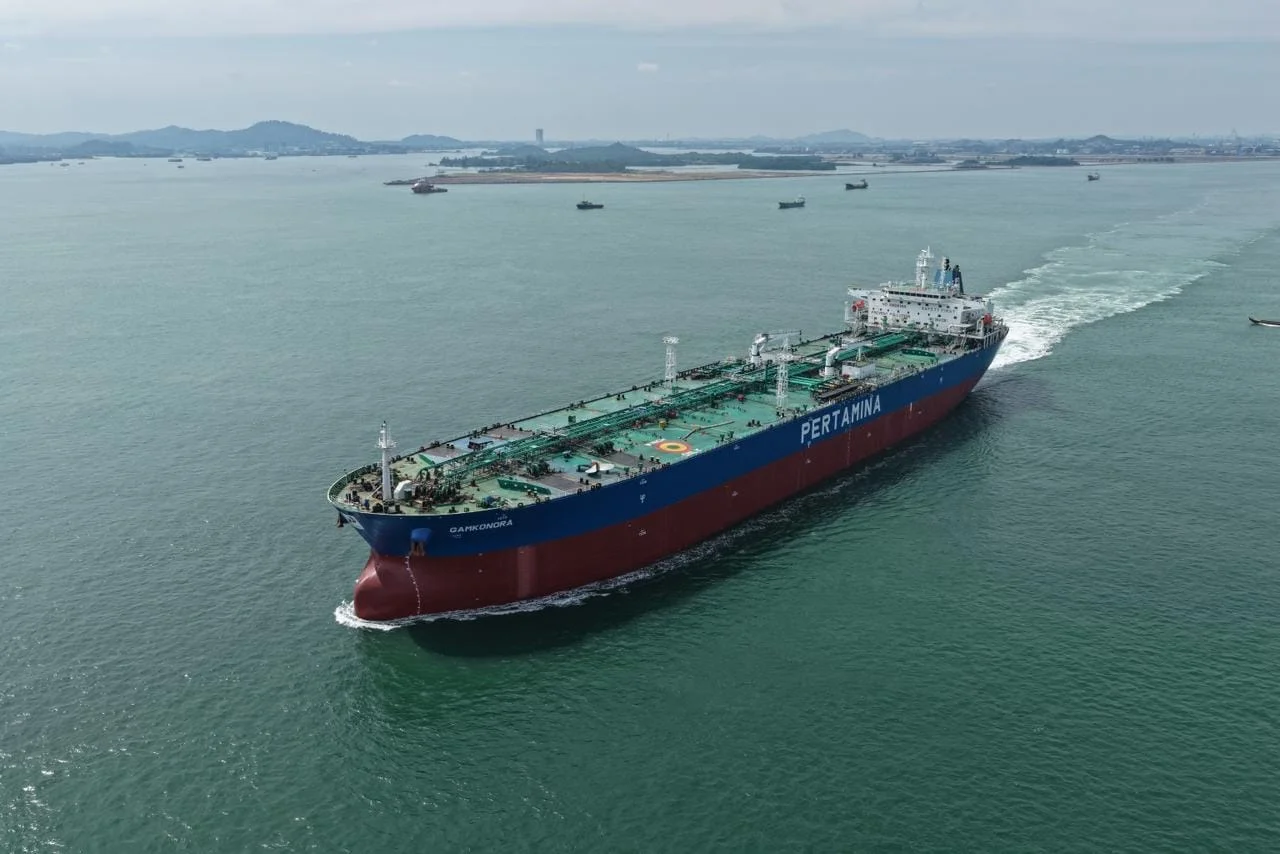
RRI.CO.ID, Jakarta - The blockade of the Hormuz Strait is expected to have a significant impact on Indonesia, with businesses expressing concern over the country’s dependence on energy imports from the Middle East.
Deputy Chairman of the Indonesian Chamber of Commerce and Industry (Kadin) for Regional Autonomy Development, Sarman Simanjorang, said that around 50 percent of the national oil demand is still imported, with most supplies coming from Saudi Arabia, Iraq, Kuwait, and the United Arab Emirates.
“It is true that our oil imports come from the Middle East, and all transport ships and logistics pass through the Hormuz Strait. This means that with the disruption, we are greatly concerned that there will be a reduction in supply,” Sarman said in a conversation with Pro3 RRI on Tuesday, March 3, 2026.
He explained that if supply falls, fuel prices in Indonesia could rise, putting pressure on the domestic industry. Indonesia also imports nearly 50 percent of its gas needs from the Middle East. “Gas is also needed by industry, and nearly 70 million Indonesians use government-subsidized gas cylinders. Fuel and gas are directly linked to business survival,” he said.
Sarman emphasized that the government must take strategic steps to address the situation, particularly as energy demand is expected to surge during Eid al-Fitr.
He reminded that fuel demand will increase with an estimated 144 million people traveling home for the holidays, while the availability of gas and basic commodities must be maintained to keep prices stable.
“We, as entrepreneurs, will support all measures taken by the government. The Coordinating Minister has also responded and taken mitigation measures,” he said.
Government mitigation efforts include diversifying energy import sources and strengthening communication with trading partners outside the Middle East to reduce dependence.
According to Sarman, rising fuel and gas prices will have a knock-on effect, increasing industrial operating costs and leading to higher consumer prices. “If operating costs increase, it will certainly affect market prices. If market prices increase, it will also reduce the purchasing power of our people,” he said.
He noted that household consumption still accounts for around 57 percent of national economic growth, suggesting that suppressed purchasing power could affect the broader economy.
Sarman urged the government to take national energy supply stability seriously and called on businesses to remain cautious but not panic in response to global turmoil. “We must support the government in taking tactical and strategic steps. How can we find solutions to our problems from friendly countries outside the Middle East?” he said. (Gusti Panji/Lasti Martina)
News Recomendation
Memuat berita terbaru.....