



Understanding Cat Body Language and What It Means
- 22 Sep 2026 09:38 WIB
- Voice of Indonesia
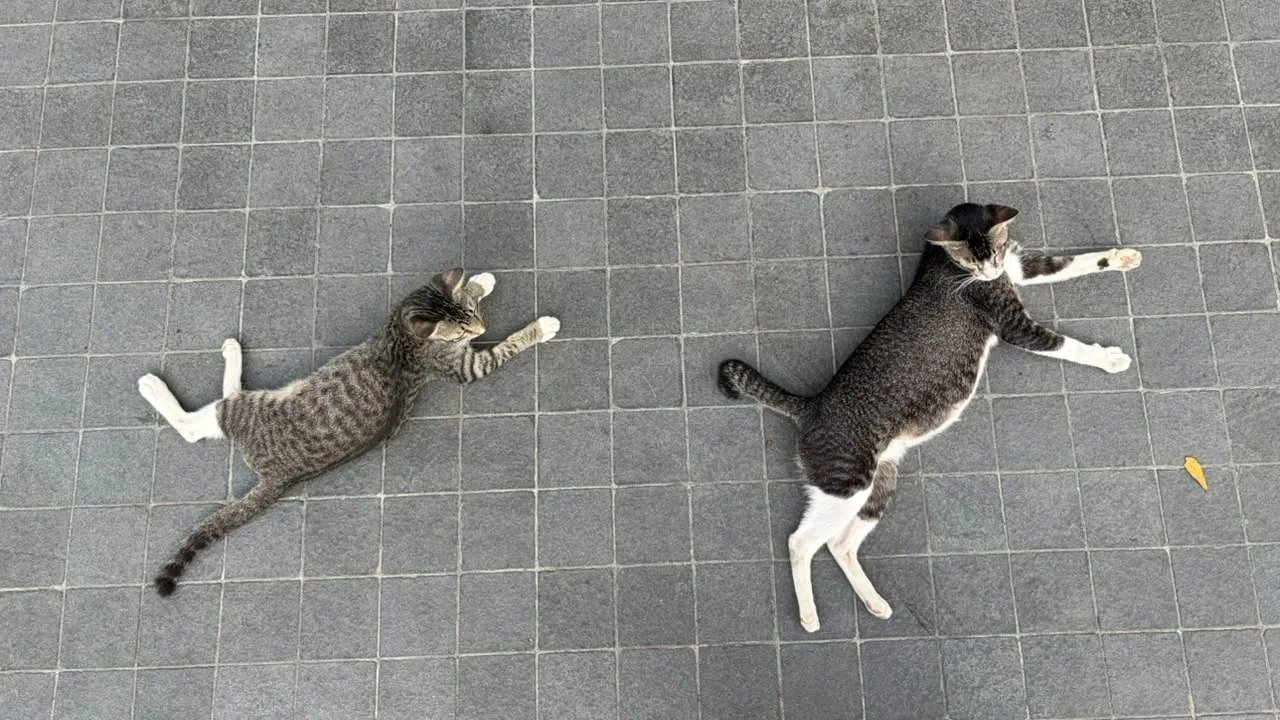
RRI.CO.ID, Jakarta - Cats have various ways of communicating, not only through sounds but also through body movements, ear positions, tails, and body posture. Understanding cat body language can help people recognize whether a cat feels comfortable, interested, afraid, or alert.
One indicator of a cat’s mood can be seen in the movement of its tail. A tail held high often signals confidence or a positive social mood. In contrast, a tail tucked down may indicate fear or anxiety.
Meanwhile, a cat that rapidly swishes or flicks its tail may be overstimulated, disturbed, or highly aroused. When startled or threatened, a cat’s tail may also puff up and stand upright as part of its defensive response.
In addition to the tail, the eyes and pupils can provide clues about a cat’s condition. Dilated pupils may occur when a cat is afraid, excited, or highly focused. However, changes in pupil size are also affected by lighting, so it is important to consider the cat’s overall body language.
| Baca juga: Why Do We Love Ginger Cats So Much? |
Sounds are also an important part of feline communication. Meowing can be used to greet people, seek attention, or communicate a need. Meanwhile, hissing and growling generally indicate that a cat feels threatened and needs space.
According to Halodoc, understanding a cat’s body language, sounds, and facial expressions can help people better understand how a cat is feeling and respond appropriately to its behavior. Paying attention to these signs can also help people avoid interactions that may make a cat feel frightened or uncomfortable.
Understanding cat body language can help people recognize a cat’s boundaries and needs. When a cat shows signs of comfort, interactions can be gentle and adjusted to its response. Conversely, when a cat appears frightened or threatened, giving it space can help it feel safer.
News Recomendation
Memuat berita terbaru.....