



From Screen to Feelings: How Movies Shape Our Emotions
- 15 Sep 2026 11:14 WIB
- Voice of Indonesia
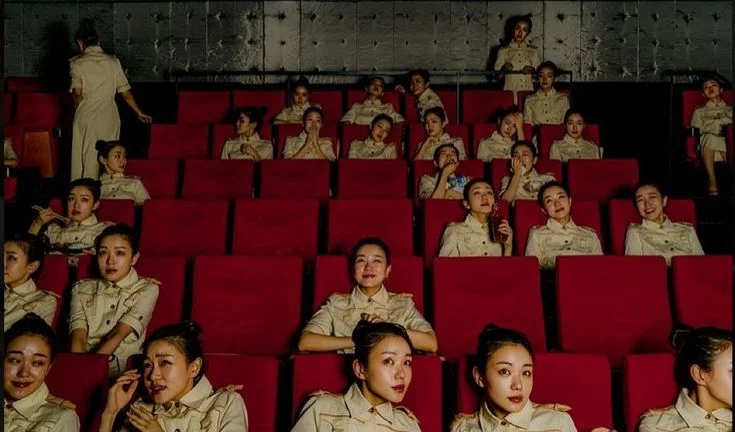
RRI.CO.ID, Jakarta – Have you ever felt sad when a movie character faced trouble, tense during a suspenseful scene, or even happy when a story reached a satisfying ending? Although everything is happening on a screen, movies can make audiences experience a wide range of emotions through the stories, characters, visuals, music, and sounds they present.
1. Movie Stories Can Create a Sense of Connection
One reason movies can influence our emotions is that stories allow audiences to develop a connection with the characters. When watching a character face problems, struggles, or situations that feel familiar, viewers may try to understand what the character is experiencing.
An article published by Telkom University explains that movie narratives can foster a sense of connection between audiences and characters. As this connection develops, viewers do more than simply follow the plot; they may also become emotionally involved in the characters' experiences.
This is why audiences may feel sad when a beloved character faces hardship or happy when the character achieves something important. The stronger the connection with a character, the more meaningful the character's experiences can feel to the viewer.
2. Movies Can Evoke a Range of Emotions
When watching a movie, audiences do more than follow the information presented in the story. Different scenes, sounds, visuals, and situations can also shape how viewers respond emotionally throughout the film.
Research and discussions on the psychology of movie watching, including those published by MediaPsi at Universitas Brawijaya, highlight the relationship between the viewing experience and emotional responses. How viewers interpret a story can influence how they respond to the events and characters portrayed on screen.
Individual responses can vary, too. A movie that makes one person cry may not produce the same reaction in another viewer because personal experiences, memories, and interpretations can influence how someone responds to a particular story.
3. Why Can Sad Movies Still Be Enjoyable?
Interestingly, people do not always avoid movies that make them sad. Many audiences enjoy films with emotional storylines even when those stories leave them feeling deeply moved or reflective.
Discussions published in the Journal of Communication and Social Research examine audiences' experiences of enjoying movies and the emotional responses that can arise during the viewing process. Emotions such as sadness, tension, or fear can become part of the experience of engaging with a story rather than simply making the viewing experience unpleasant.
In this sense, experiencing uncomfortable emotions does not necessarily mean that a movie is a bad experience. Such emotions can make a story feel more engaging, meaningful, and memorable for the audience.
4. Every Viewer's Experience Is Unique
Even when watching the same film, different people can have very different experiences. Some viewers may be deeply moved by certain scenes, while others may pay more attention to the humor, suspense, characters, or other elements of the story.
This happens because everyone brings their own experiences and perspectives when interpreting a story. A particular scene may even resonate strongly with someone because it reminds them of a personal memory, situation, or feeling.
Ultimately, a film is more than a series of moving images on a screen. Its story, characters, music, visuals, and other elements work together to create an experience that can engage audiences emotionally.
When we feel sadness, laughter, tension, excitement, or happiness while watching a movie, it shows how storytelling can influence the way we experience a fictional world. A story may begin on a screen, but the emotions it creates can stay with viewers even after the movie ends. (Marisa)
News Recomendation
Memuat berita terbaru.....