



UI Professor: Repatriation of Cultural Objects Goes Beyond Their Return
- 24 Sep 2026 14:39 WIB
- Voice of Indonesia
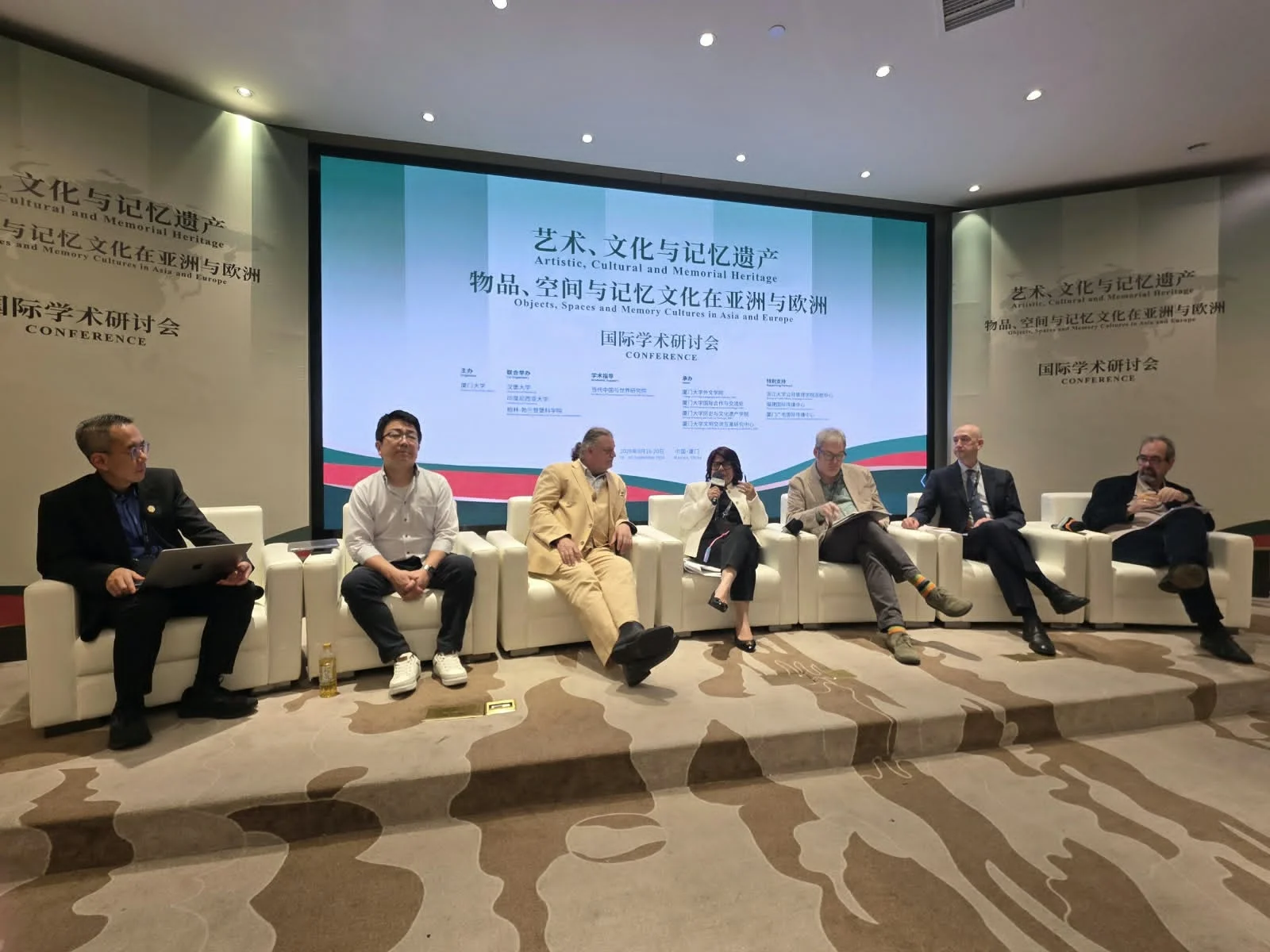
RRI.CO.ID, Xiamen – Universitas Indonesia (UI) Professor of Archaeology Irmawati Marwoto, said returning cultural objects to their countries of origin is only one stage in the repatriation process. She said it should be followed by efforts to reconnect the objects with their original places, communities, and cultural practices.
Irmawati made the statement at the 1st International Forum on Artistic, Cultural and Memorial Heritage at Xiamen University, China, under the theme “Objects, Spaces and Memory Cultures in Asia and Europe” on Monday, September 21, 2026. The forum was organized by Xiamen University in collaboration with UI, the University of Hamburg, and the Berlin-Brandenburg Academy of Sciences and Humanities.
“Repatriation is a process of repairing relationships, not simply shipping objects,” Irmawati said in a statement received in Jakarta on Wednesday, September 23, 2026.
She explained that the process involves five interconnected stages: return, restitution, repatriation, relocation, and reactivation. In her view, a cultural object cannot be considered to have fully “come home” until it is reconnected with the people, places, and cultural practices that give it meaning.
Irmawati also highlighted what she described as a repatriation paradox, in which an object returned from Europe could end up in a museum in Jakarta while the community of origin has limited involvement in determining how the object is used and managed.
“Participation is not the same as authority. Communities must have real authority over the object’s purpose, interpretation, access, rituals, and future care,” she said.
To address the issue, Irmawati proposed the concept of the “Five Rs of Community-Grounded Repatriation”: recognition, research, representation, return, and re-rooting. She emphasized that communities of origin should be meaningfully involved at every stage of the repatriation process.
Drawing on examples from New Zealand and Nigeria, Irmawati said returning an object to a country does not automatically resolve questions about who should be responsible for caring for, interpreting, or displaying the object. She proposed an approach for Indonesia that combines national conservation resources, regional museums, and decision-making authority for communities of origin.
“The return of an object answers one question, but it may raise another: who manages the heritage after it comes back?” Irmawati said.
According to Irmawati, repatriation could strengthen Indonesia’s international standing if the process prioritizes justice and accountability alongside the return of cultural objects to their countries of origin.
News Recomendation
Memuat berita terbaru.....