



Indonesia Proposes Three Pillars of AI Cooperation at China ASEAN Forum
- 22 Sep 2026 16:32 WIB
- Voice of Indonesia
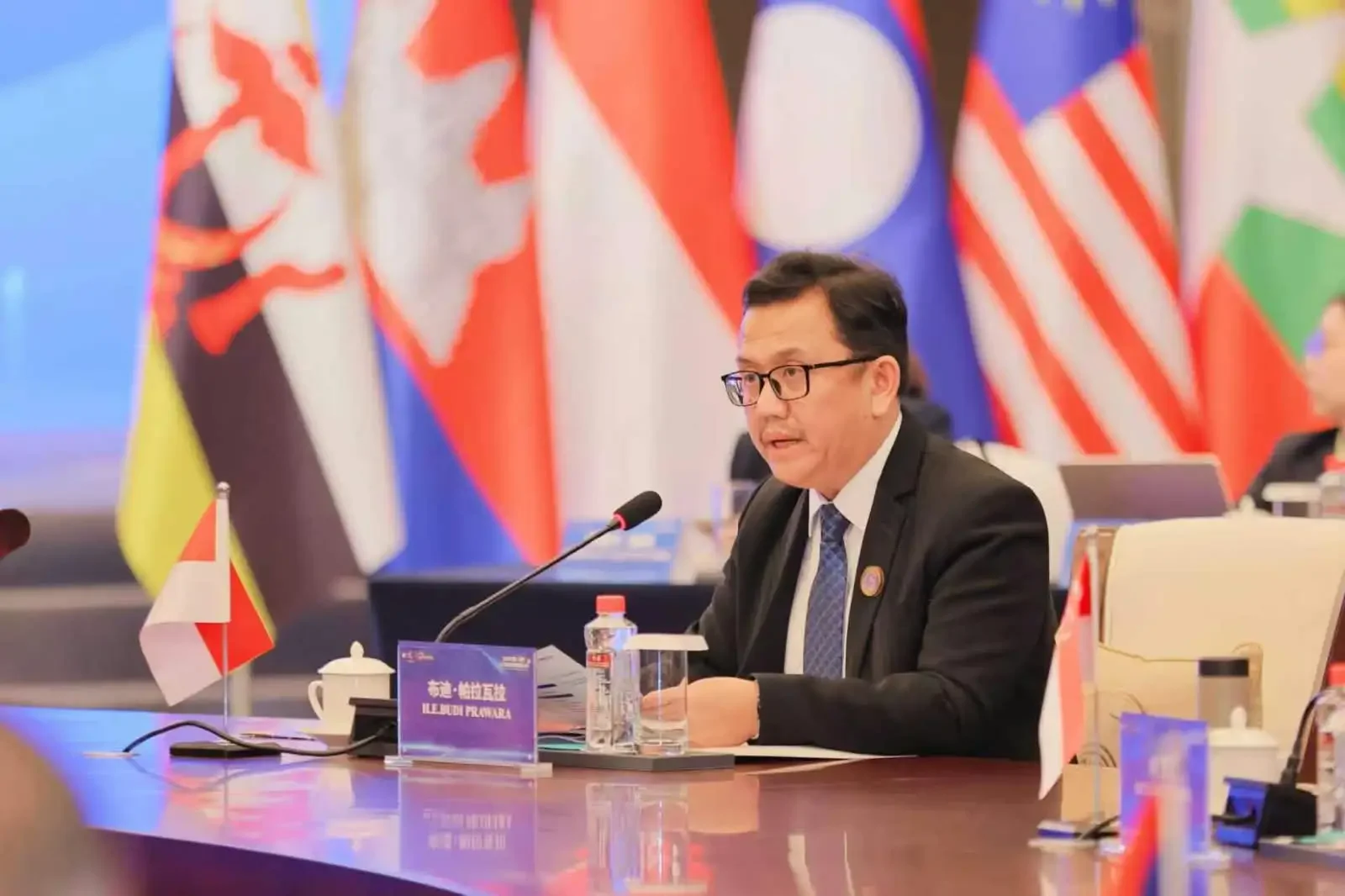
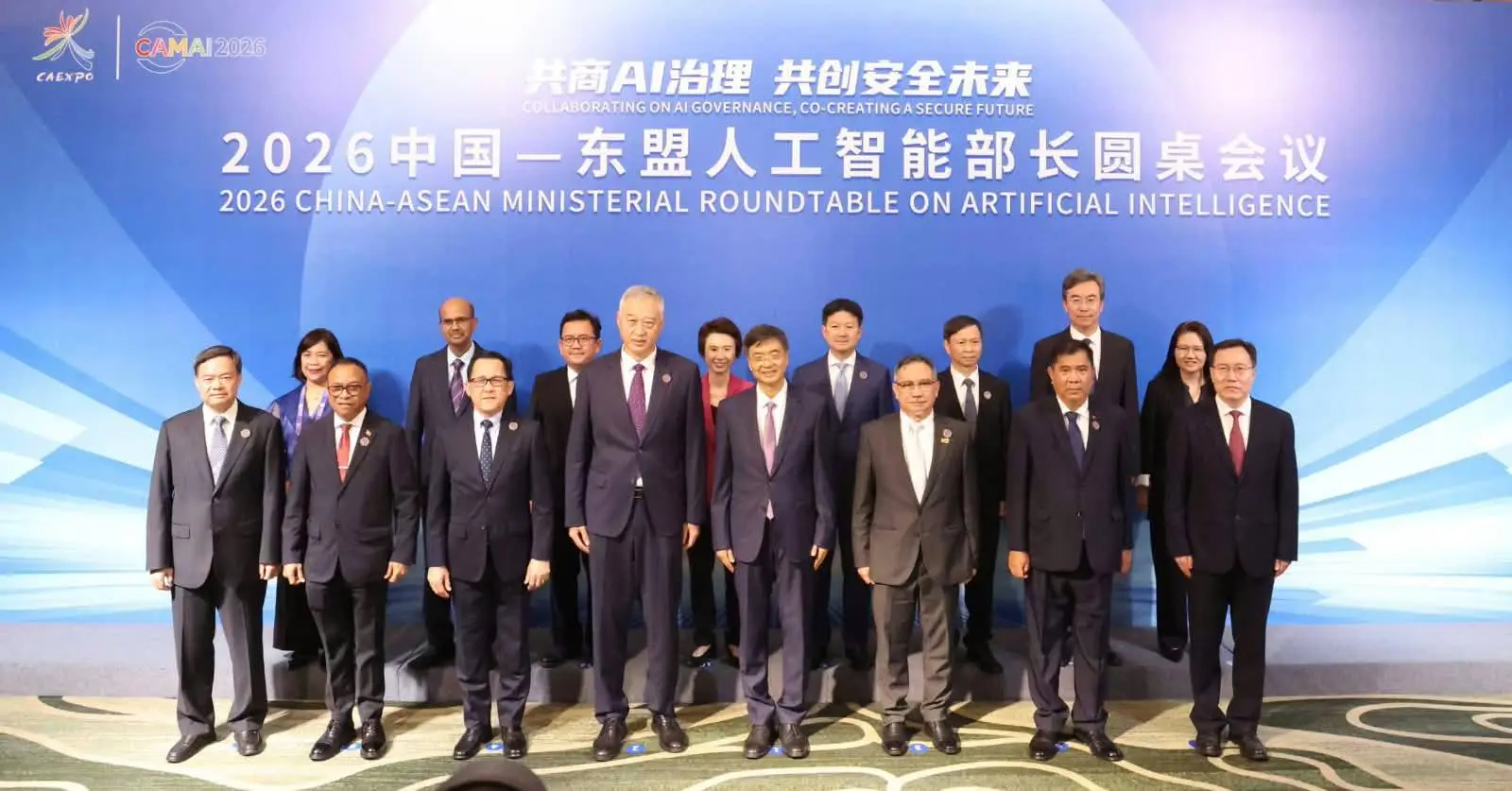
RRI.CO.ID, Nanning - Indonesia has proposed three pillars of regional cooperation to strengthen research, infrastructure, and human resources in artificial intelligence (AI) across Southeast Asia. The proposal was delivered at the 2026 China ASEAN Ministerial Roundtable on Artificial Intelligence, held in Nanning, Guangxi, China, on September 17, 2026, in response to shared security challenges such as deepfakes, privacy violations, and algorithmic bias facing countries in the region.
In a statement received on Monday, September 21, 2026, the meeting, themed "Discussing AI Governance and Creating a Safe Future," brought together stakeholders from China and ASEAN member states to discuss AI development alongside its security, ethical, and governance dimensions. Indonesia was represented by the Head of the Electronics and Informatics Research Organization (OREI) at the National Research and Innovation Agency (BRIN), Budi Prawara, who attended on behalf of the Head of BRIN.
In his presentation, Budi explained that Indonesia has set a strategic vision to build an ethical and responsible AI ecosystem, while directing the technology's development to strengthen national competitiveness toward the Golden Indonesia 2045 vision. "There are three sectors that are priorities for Indonesia in AI development: research and industrial innovation, talent development, and data infrastructure," he said.
He emphasized that AI is positioned as a key technology supporting various national development priorities, including in food, health, water resources, and disaster mitigation, rather than as a standalone technology. "All three are being prepared to support economic growth and social progress," Budi said.
To realize that vision at the regional level, Indonesia proposed three pillars of collaboration. The first pillar is collaborative research and development through joint laboratories and shared funding, aimed at producing intellectual property suited to both national and regional needs.
The second pillar covers joint digital infrastructure development, including access to green data centers and high performance computing, intended to help close the computing capability gap between countries.
The third pillar focuses on human resource development through joint exchange and training programs for young people and researchers. Beyond these three pillars, Budi also stressed the importance of strengthening foundational technologies such as semiconductors, satellites, and cybersecurity through bilateral and regional cooperation.
On the host side, the Chairman of the Standing Committee of the Guangxi Zhuang Autonomous Region People's Congress, Chen Gang, highlighted challenges around security, ethics, algorithmic bias, and AI governance. He stressed that AI development and risk management need to move forward together, arguing that the potential risks of AI should not be a reason to halt the technology's development.
The meeting produced five points of consensus, including the need for concrete action and multi stakeholder cooperation to address deepfakes, privacy violations, and algorithmic bias, as well as stronger communication, joint learning, and international cooperation, including the development of regulation and governance.
The forum also encouraged deeper China ASEAN cooperation through the role of the World Artificial Intelligence Cooperation Organization within the United Nations framework. "For Indonesia, this forum is an opportunity to convey the direction of national AI development while proposing forms of cooperation that can support stronger research capacity, infrastructure, and human resources in the region," Budi said.
News Recomendation
Memuat berita terbaru.....