



Indonesian Govt Outlines Strategy to Face Global Energy Shocks at G20 Forum
- 18 Sep 2026 13:45 WIB
- Voice of Indonesia
Poin Utama
- Indonesia emphasized its sovereign right to shape its energy path, targeting 1 million barrels of oil per day and advancing the B50 biofuel program to secure national energy.
- At the G20 forum, Indonesia advocated for a technology-neutral and balanced approach to ensure energy affordability, accessibility, and sustainability while moving toward Net Zero Emissions.
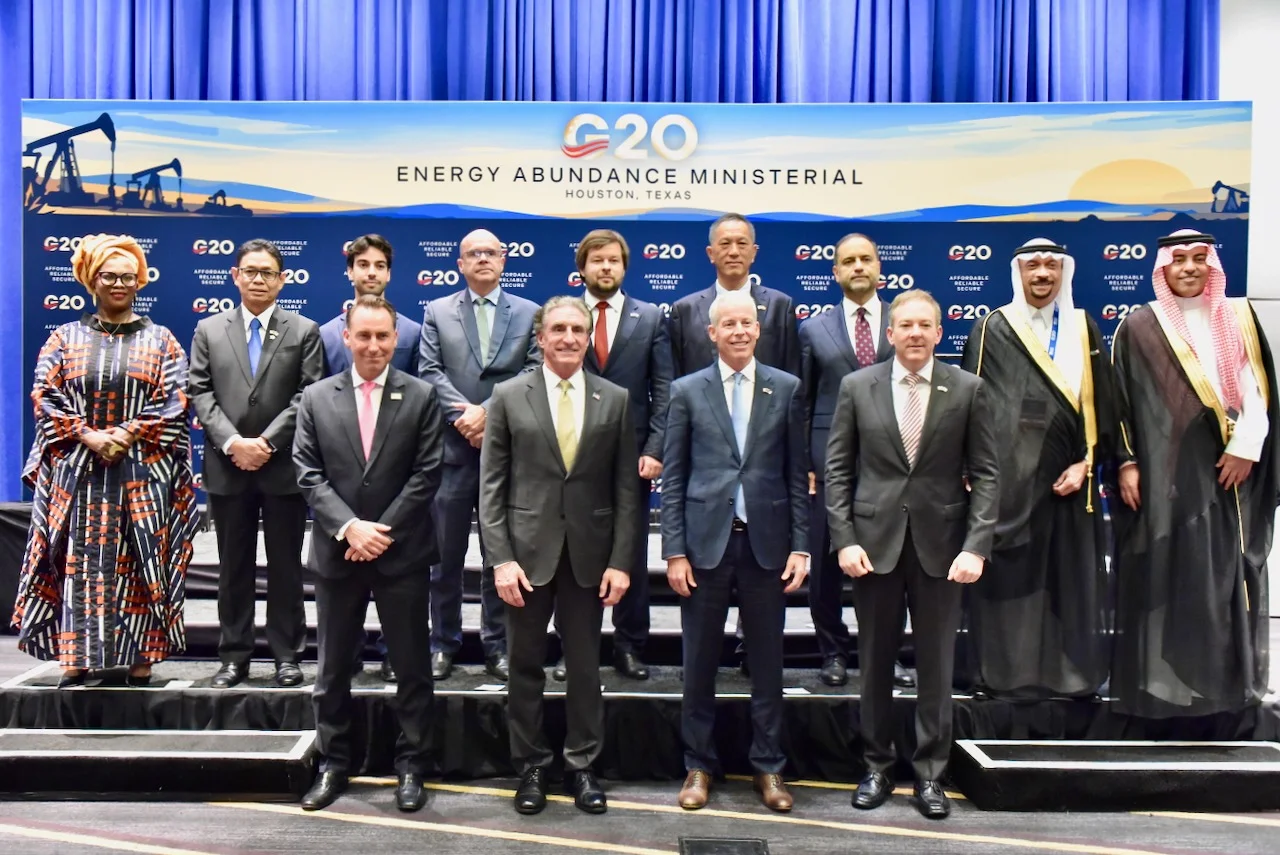
RRI.CO.ID, Houston – The Indonesian government highlighted the importance of strengthening energy security and access based on the specific conditions and needs of each country. Vice Minister of Energy and Mineral Resources (ESDM), Yuliot Tanjung, conveyed this view while attending the G20 Energy Abundance Ministerial Meeting in Houston, Texas, United States, from September 14–16, 2026.
"Indonesia supports the sovereign right of every country to determine its energy pathway based on national conditions. We continue to strengthen national energy security while advancing a just energy transition toward Net Zero Emissions by 2060 or sooner," Yuliot stated, as cited in a written press release from the ministry on Wednesday, September 16, 2026.
For Indonesia, strengthening energy security involves increasing domestic oil production. To reduce dependence on imports, the government targets an oil production of 1 million barrels per day while opening up investment opportunities in 118 oil and gas working areas with attractive fiscal schemes.
At the same time, the government continues to promote the development of new and renewable energy alongside the utilization of domestic resources as part of energy diversification efforts. One example is the B50 program, which involves using diesel fuel blended with up to 50 percent biofuel.
In the electricity sector, Indonesia projects electricity demand to grow by about 5.3% annually. Consequently, the government is encouraging the development of 100 GWp of Solar Power Plants to replace diesel power plants in the main systems and reduce fossil fuel usage.
Indonesia considers that energy approaches cannot be standardized. Yuliot mentioned that every country needs the space to choose technologies and energy sources suited to local conditions, community capabilities, and national development priorities.
Yuliot expressed, "Indonesia welcomes the recognition that there is no one-size-fits-all solution for clean cooking. Every country must be able to choose technologies that reflect local conditions and affordability. Clean cooking policies must remain technology-neutral and be supported by financing mechanisms that reflect national priorities."
Furthermore, Indonesia urges that future G20 agendas maintain attention on the energy transition and sustainable energy. The government said efforts to meet current energy needs must go hand in hand with building a cleaner and more sustainable energy system.
"The G20 must promote a balanced approach that advances energy security, affordability, accessibility, and sustainability. Indonesia is ready to cooperate with all members to build an inclusive, sustainable, and secure global energy future," Yuliot said.
News Recomendation
Memuat berita terbaru.....