



Yassierli Says ASEAN Labor Framework Must Impact Workers & Business Community
- 27 Agt 2026 14:34 WIB
- Voice of Indonesia
Poin Utama
- ASEAN countries need to turn their labor plans into real, everyday results that help both workers and businesses adapt to the changing job market.
- Indonesia is taking action by matching training to industry needs, protecting workers who lose jobs, supporting workers with disabilities, and creating a shared job information system.
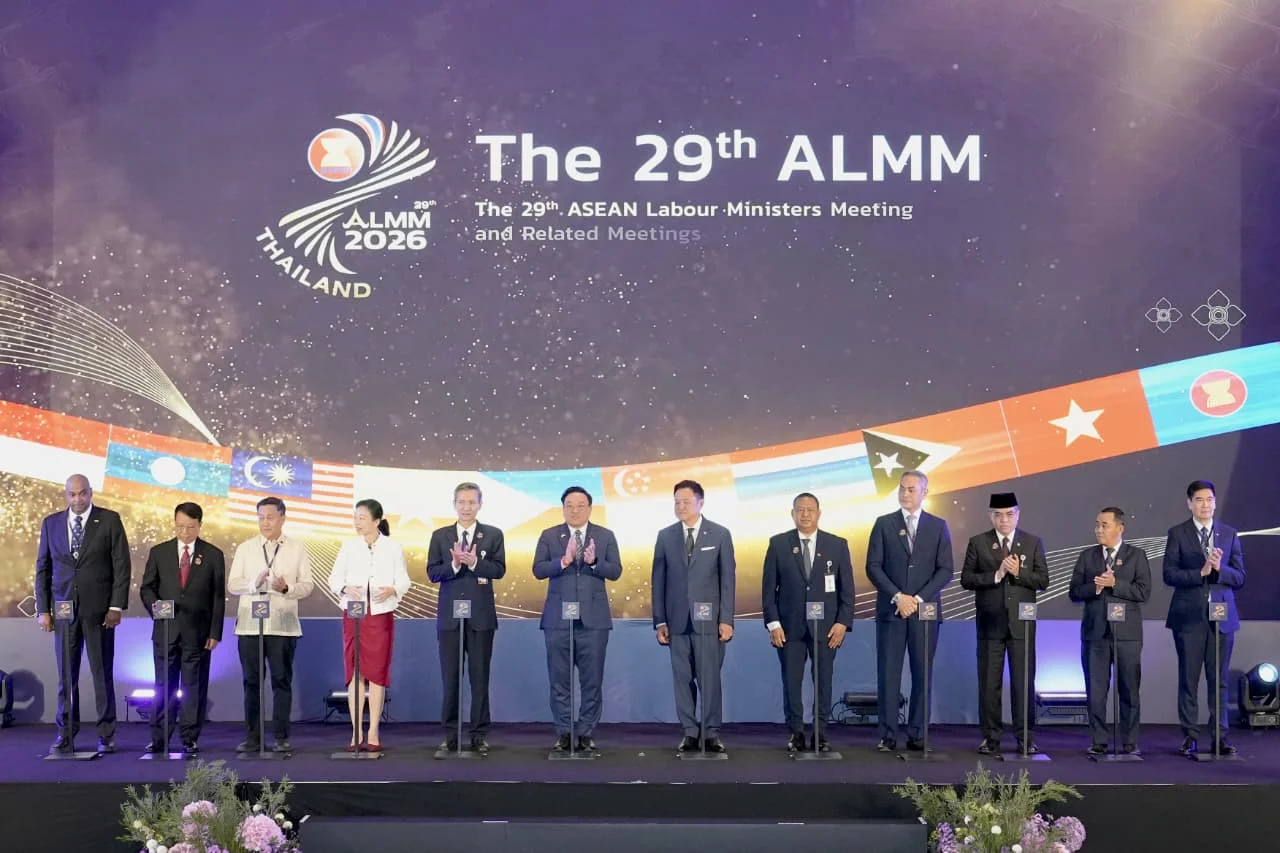
RRI.CO.ID, Bangkok – Minister of Manpower, Yassierli, emphasized the importance of translating the ASEAN labor framework into policies and cooperation that have a tangible impact on workers and the business community. According to him, the strength of this framework must be followed by concrete steps capable of addressing changes in the world of work.
He made these remarks while providing an update on the follow-up to the ASEAN Declaration on Enhancing the Competitiveness, Resilience, and Agility of Workers for the Future of Work at the 29th ASEAN Labor Ministers’ Meeting (ALMM) in Bangkok, Thailand, on Wednesday, August 26, 2026. Yassierli explained that ASEAN already has a strong framework.
“ASEAN already has a strong framework for the future of work. Our current priority is to translate that framework into tangible results that workers and companies can feel,” he said.
Yassierli explained that Indonesia is following up on the ASEAN Declaration through four priority agendas. First, aligning skills development with the needs of industry and the labor market, or “link and match.” This step is being implemented, among other things, by strengthening vocational training and the National Internship Program (MagangHub) for college graduates.
“These programs have a clear objective: to enhance the competitiveness of the workforce while creating better job opportunities,” he said.
Second, strengthening the resilience of workers and the business sector. For workers, the government provides the Job Loss Insurance Program (JKP), which offers cash benefits, access to training, and job placement support for workers who lose their jobs.
Third, expanding an inclusive labor market. Indonesia is developing vocational training centers and specialized employment services for people with disabilities that integrate training, employment services, assistive technology, and workplace solutions.
“Indonesia believes that work brings dignity, and that dignity belongs to everyone. For Indonesia, inclusion must be an integral part of how we design labor market policies and services,” he said.
Fourth, developing an Integrated Labor Market Information System. This system connects workers, employers, training institutions, employment services, and government policies.
Yassierly explained, “Going forward, this technology and information system must help us adapt to changes in the world of work as early as possible and connect people with various opportunities more effectively.”
News Recomendation
Memuat berita terbaru.....