



Indonesia Encourages ASEAN Cooperation in the Economic Sectors
- 23 Jul 2026 16:56 WIB
- Voice of Indonesia
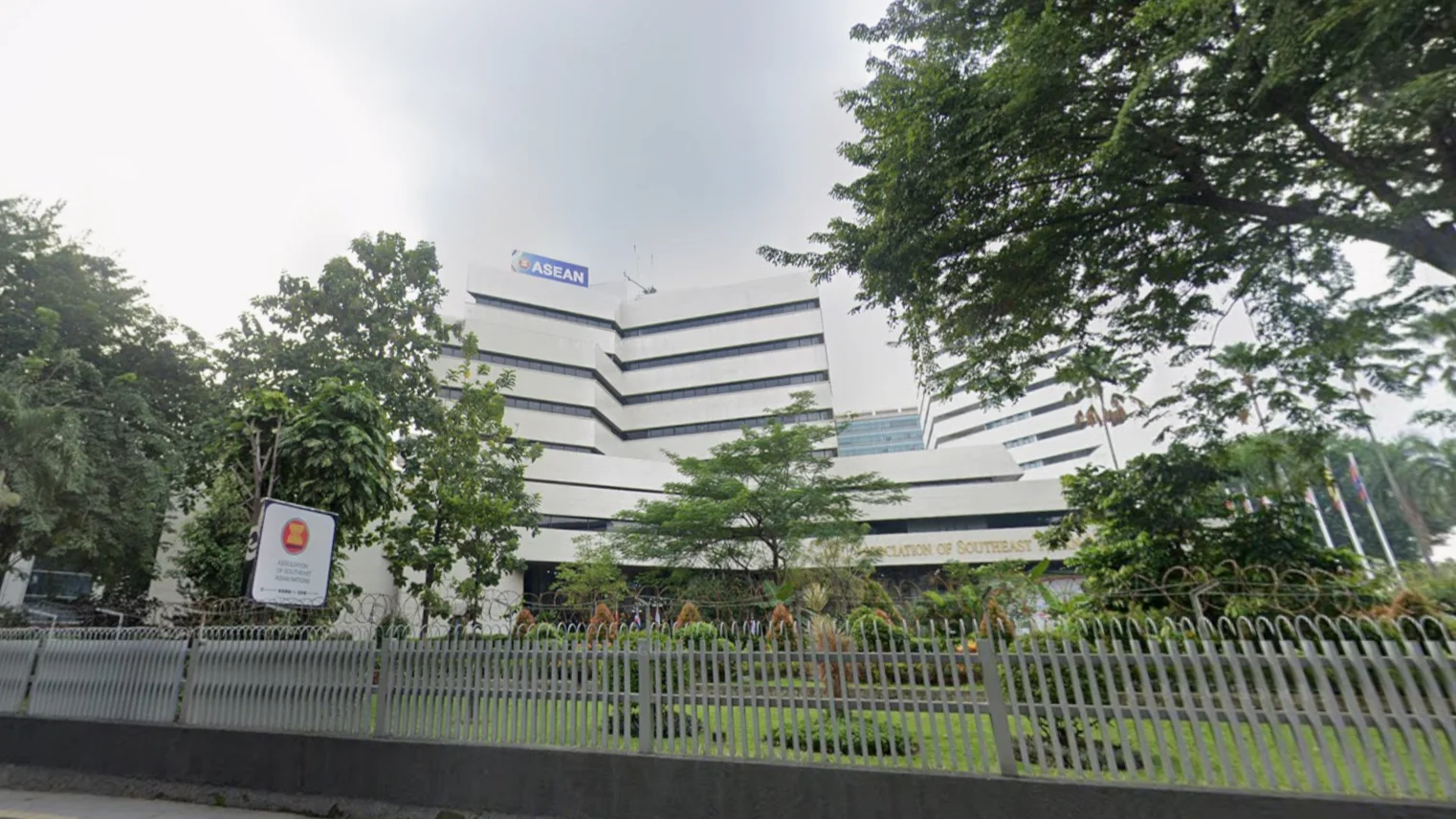
RRI.CO.ID, Jakarta - Deputy Chairperson of the Inter-Parliamentary Cooperation Agency (BKSAP) at the Indonesian House of Representatives (DPR), Irine Yusiana Roba Putri, said Indonesia is pushing for strengthened cooperation among ASEAN countries to address the challenges of economic transformation, digitalization, and the transition to sustainable development. This step is considered crucial to ensure that various regional initiatives align with the national policies of each member state.
In the economic sector, Indonesia has integrated various ASEAN Inter-Parliamentary Assembly (AIPA) resolutions into its national economic transformation agenda through the 2025–2045 National Long-Term Development Plan. Those includes strengthening ASEAN economic integration, digital transformation, green and blue economy, sustainable financing, carbon markets, renewable energy, and micro, small, and medium enterprises (MSMEs) empowerment.
"Indonesia has strengthened legal certainty for investment, expanded support for MSMEs and the creative industry, implemented a carbon pricing mechanism, accelerated the energy transition, and encouraged the development of the digital economy," Irine said when presenting Indonesia's national report at the 17th Meeting of the AIPA Caucus in Jakarta on Wednesday, July 22, 2026.
In addition, Indonesia also continues to support regional economic integration through the implementation of the Regional Comprehensive Economic Partnership (RCEP), the ASEAN Trade in Goods Agreement (ATIGA), the modernization of the customs system, and the strengthening of the ASEAN Single Window. Regional cooperation still needs to be strengthened through harmonization of carbon market mechanisms, cross-border digital governance, increased regional energy connectivity, and parliamentary oversight of various ASEAN economic initiatives.
Beyond the economic sector, Indonesia also highlights the importance of women's empowerment as part of inclusive development. Progress has been achieved through the implementation of the CEDAW Convention, as well as Acts on Sexual Violence, Personal Data Protection, and Maternal and Child Welfare.
Irine, who was also the chair of the Indonesian delegation, explained that Indonesia has also strengthened the protection and empowerment of women through the ratification of the Act on Domestic Workers Protection and the launch of the Care Economy Roadmap 2025–2045. She said it places the care economy as one of the pillars of national development.
"Indonesia, in 2026, also passed the Domestic Worker Protection Law and launched the 2025–2045 Care Economy Roadmap, recognizing that care work is a crucial pillar of inclusive development," Irene said.
On the other hand, Indonesia views the younger generation as a strategic partner in realizing the ASEAN Community Vision 2045. Through the Act on Youth, youth leadership development, the Digital Indonesia Vision 2045, artificial intelligence ethics initiatives, and entrepreneurship programs, the House said Indonesia continues to encourage young people's participation in politics, innovation, the green transition, and sustainable economic development.
"Indonesia believes that investing in the leadership of the younger generation today will lay the foundation for a stronger, more resilient, and more competitive ASEAN in the future," she said.
News Recomendation
Memuat berita terbaru.....