



Mineral Intake from Chicken and Beef Still Below Daily Requirements in Indonesia
- 18 Sep 2026 13:35 WIB
- Voice of Indonesia
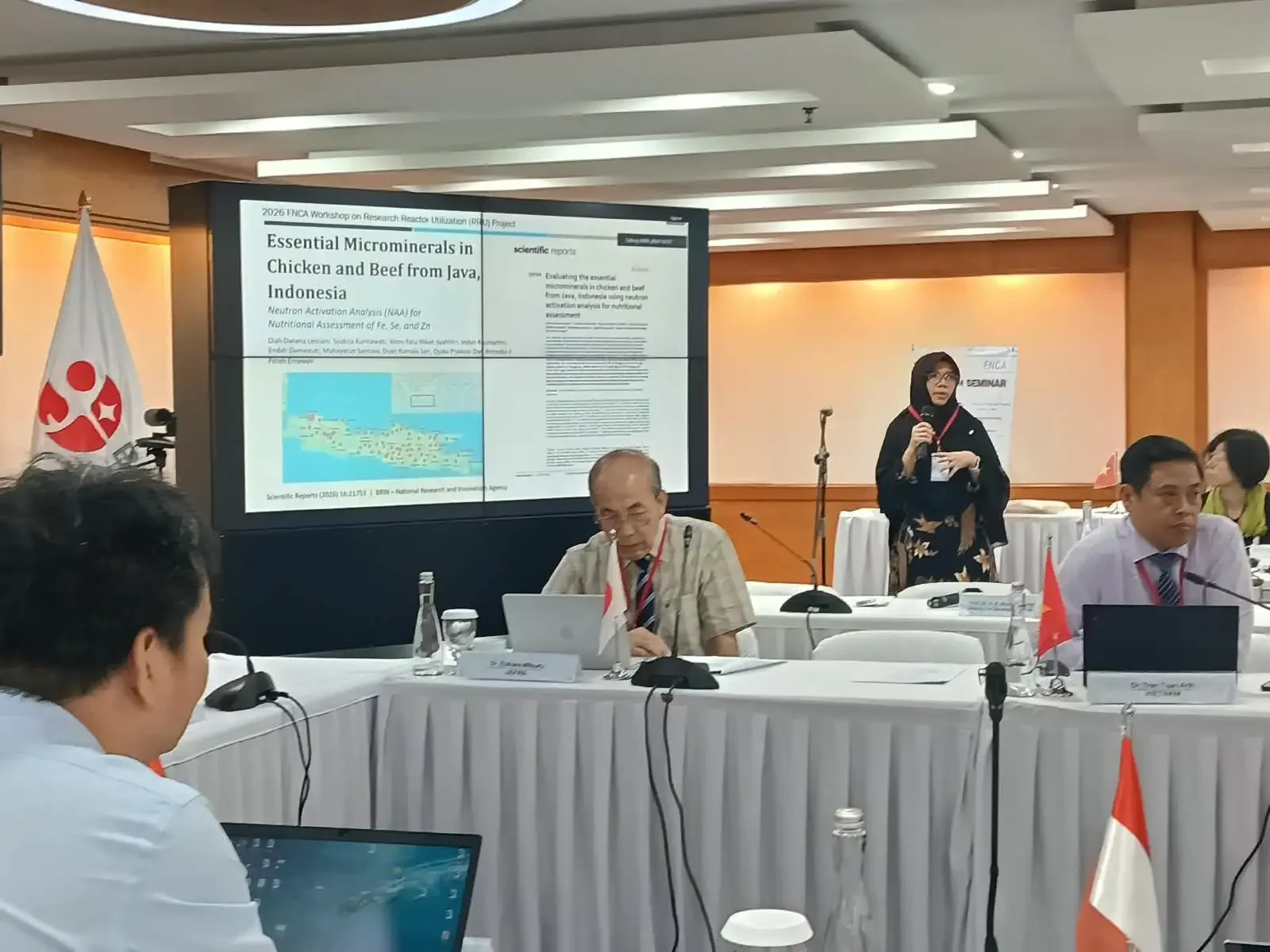
RRI.CO. ID, Jakarta - The National Research and Innovation Agency (BRIN) has revealed that mineral intake from chicken and beef consumption among Indonesians still falls below the recommended daily nutritional requirements, particularly for iron, zinc, and selenium. The finding is based on a study BRIN conducted on hundreds of meat samples collected from markets across Java Island.
In an official statement received on Wednesday, September 16, 2026, Senior Researcher at the Nuclear Beam Analysis Technology Research Center of BRIN, Diah Dwiana Lestiani, explained that the study was carried out to obtain a clear picture of mineral content in chicken and beef, two of the main protein sources for the Indonesian population. "When we calculated their contribution to the recommended daily intake, mineral intake from beef and chicken remained below the nutritional adequacy figure," Diah said.
The study covered 146 chicken and beef samples gathered from 73 markets across five provinces on Java Island, namely Jakarta, West Java, Central Java, East Java, and the Special Region of Yogyakarta. The mineral content was analyzed using neutron activation analysis (NAA), a nuclear research method that remains one of BRIN's core competencies.
Diah explained that the choice of Java as the research area was linked to the island's population density, given that more than 55.7 percent of Indonesia's population lives there. With this coverage, the study was expected to provide a representative picture of the mineral content found in the chicken and beef most commonly consumed by the public.
According to her, data on the mineral content of these animal protein sources remains limited in Indonesia. Yet iron and zinc are essential minerals needed to meet nutritional needs, especially in children who are still growing, meaning insufficient intake of these minerals could pose risks to their development.
The research results showed that beef contains higher mineral levels than chicken. However, chicken consumption among the public is higher than beef consumption, so its contribution to overall mineral intake still needs to be taken into account. "Beef is richer in minerals, but chicken also contributes intake because its consumption level is higher. Beef consumption is lower," Diah said.
She further explained that when the contribution of chicken and beef consumption was calculated against the recommended daily intake, the contribution of all three minerals remained low. For iron, the contribution reached a maximum of only about 1.9 percent. Selenium showed a better contribution than iron and zinc, although the total intake from both types of meat still fell short of the recommended daily requirement.
This condition, Diah said, points to the need for greater attention to food sources that can supply minerals to the public. "This shows that intake from beef and chicken still needs to be encouraged, and a campaign is needed to raise consumption levels," she said.
The mineral content study is one application of neutron activation analysis carried out by BRIN to support national food security and nutrition research. The findings on essential microminerals in chicken and beef from Java have been published in the international scientific journal Scientific Reports in 2026, under the title "Evaluating the essential microminerals in chicken and beef from Java, Indonesia using neutron activation analysis for nutritional assessment."
News Recomendation
Memuat berita terbaru.....