



Alang-Alang: Indonesian Grass with Traditional Health Benefits
- 16 Sep 2026 12:00 WIB
- Voice of Indonesia
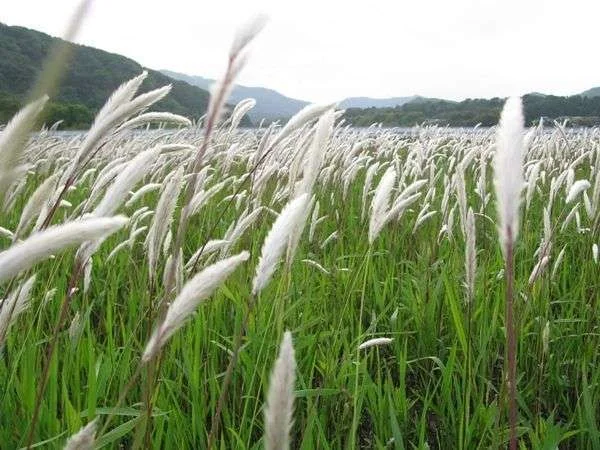
RRI.CO.ID, Jakarta - Alang-alang (Imperata cylindrica), also known as cogon grass, is a common grass in Indonesia with traditional health uses. The plant belongs to the Poaceae or grass family, with its rhizomes commonly used in herbal preparations.
Alang-alang grows between 30 and 180 centimeters tall, with creeping rhizomes and long, narrow leaves. Its rhizomes are traditionally harvested from mature plants and used as the main medicinal part.
In traditional medicine, alang-alang rhizomes are used for several complaints, particularly urinary problems. Traditional uses include fever, urinary tract infections, bloody urine, nosebleeds, and difficulty urinating.
Other traditional references mention alang-alang for kidney stones, hepatitis, diabetes, high blood pressure, asthma, diarrhea, and vaginal discharge. These uses are part of traditional herbal practices and should not replace medical treatment, especially for serious symptoms.
One traditional preparation for urinary problems combines six grams of alang-alang rhizomes, five grams of Kaempferia rotunda or peacock ginger rhizomes, and four grams of cat's whiskers (Orthosiphon aristatus) leaves. The ingredients are brewed or prepared as an infusion and traditionally consumed once daily.
Another preparation for nosebleeds and bloody urine uses six grams of alang-alang rhizomes, six grams of fresh plantain (Plantago major) leaves, and two fresh leaves of Cordyline fruticosa, also known as ti plant. The ingredients can be brewed or crushed, with the preparation traditionally consumed twice daily.
For a simpler preparation, around 10 grams of cleaned alang-alang rhizomes can be cut into pieces and boiled with three glasses of water. After the liquid is reduced to about one glass, it is strained and traditionally consumed as a herbal drink.
The rhizomes can also be processed into dried herbal material, known as simplisia or dried medicinal plant material. After washing, they are dried at around 40 degrees Celsius for five to seven days, ground into powder, and stored in a clean, airtight container.
Alang-alang highlights Indonesia's rich botanical resources and traditional knowledge surrounding their use. While its rhizomes remain part of herbal practices, people experiencing persistent or serious symptoms should seek advice from a healthcare professional.
News Recomendation
Memuat berita terbaru.....