



The Sweet Vape Cloud May not be as Harmless as It Taste
- 15 Sep 2026 10:54 WIB
- Voice of Indonesia
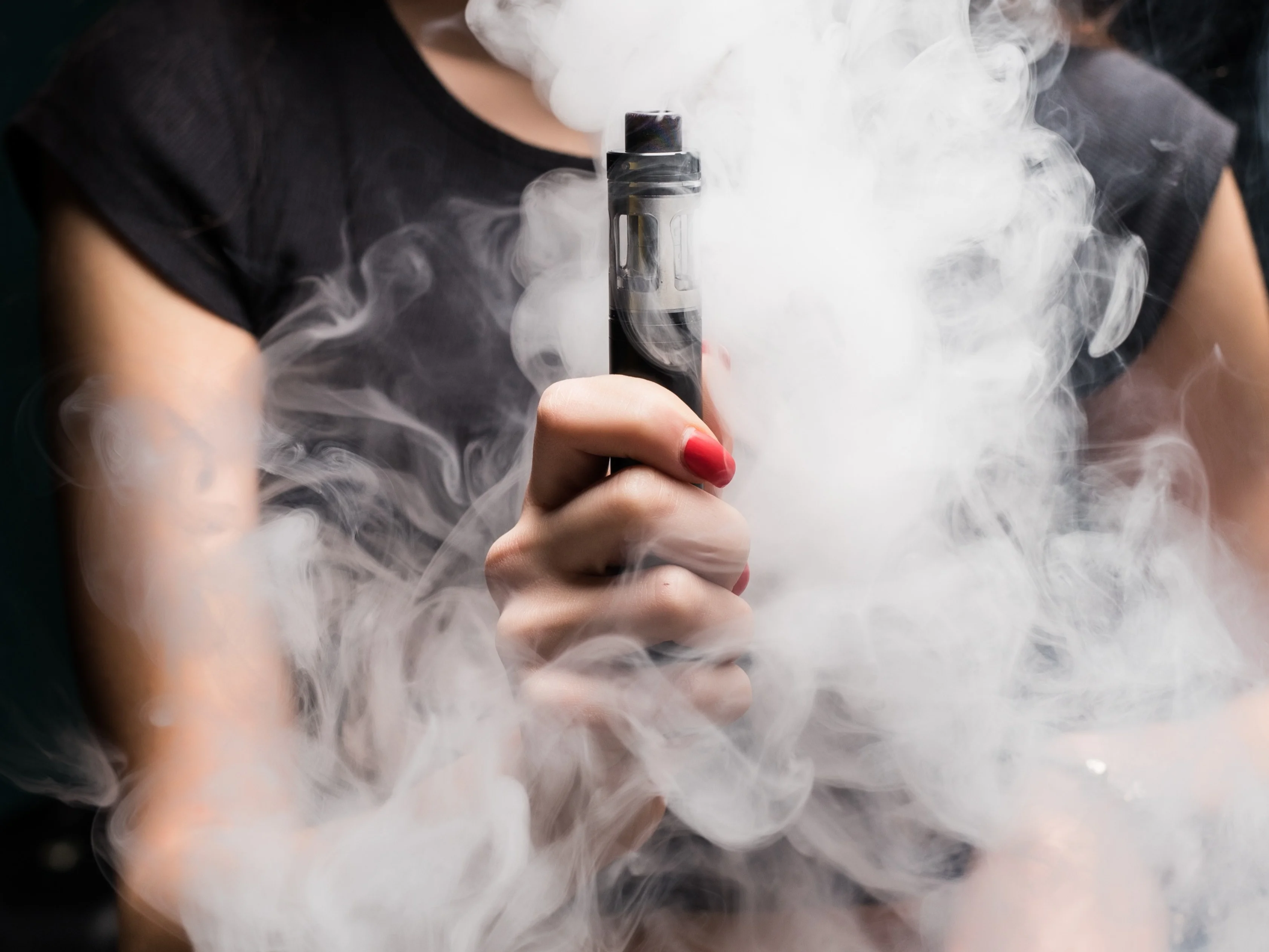
RRI.CO.ID, Jakarta - With colorful devices, sweet flavors and the appearance of harmless clouds, e-cigarettes or vapes can easily seem like a less risky habit than smoking. But behind the fruity, minty or dessert-like flavors is an aerosol containing substances that can be harmful to the body.
The World Health Organization (WHO) warns that e-cigarette emissions typically contain nicotine and other toxic substances that can affect both users and people exposed to the aerosol second-hand. Some products even marketed as nicotine-free have been found to contain nicotine.
So, what exactly is in a vape? The liquid in e-cigarette or vapes commonly contain nicotine, propylene glycol, flavoring chemicals and other additives.
Nicotine is the same addictive substance found in conventional cigarettes. Propylene glycol is used to produce vapor and carry flavorings, while different flavoring chemicals give e-cigarettes their distinctive tastes, from fruit and mint to desserts.
The problem is that something that is considered safe to eat is not necessarily safe to inhale. Propylene glycol, which is also commonly used in food and medicine, can cause lung irritation in some people when inhaled.
Heating the liquid can also create additional chemicals, such as forming formaldehyde and acetaldehyde in the heated liquid. Both are potentially toxic substances that can pose risks to lung health.
The vapor does not simply stay in the mouth or throat, as e-cigarette aerosols contain particles and chemicals that can travel deep into the smallest airways and be absorbed by the body. According to the WHO, people nearby can also breathe in the aerosol, meaning exposure is not limited to the person using the device.
Like conventional cigarettes, e-cigarettes can contain nicotine, which makes vaping particularly difficult to dismiss as an occasional habit as it can lead to addiction.Switching from cigarettes to e-cigarettes may therefore mean switching from one source of nicotine to another, rather than escaping dependence.
The WHO also notes that e-cigarettes have not been proven to be effective for smoking cessation at the population level. For people trying to quit tobacco, the agency recommends established approaches such as advice from health professionals, quit lines, mobile and digital cessation services, and, where feasible, nicotine replacement therapies and non-nicotine medicines.
The growing concerns over vaping have prompted governments around the world to take stronger action. According to the WHO, more than 40 countries have banned e-cigarettes, including Singapore, Brunei Darussalam, Thailand, Myanmar, Viet Nam, Lao PDR, Cambodia and Timor-Leste.
Indonesia is also considering tighter controls on e-cigarettes. In September 9, 2026, Indonesia’s National Narcotics Agency (BNN) called for stronger policies governing the circulation of e-cigarettes, citing concerns over their potential use as a means of distributing harmful and illicit substances.
News Recomendation
Memuat berita terbaru.....