



Ginger: a Natural Solution to Fight Antimicrobial Resistance
- 07 Sep 2026 09:18 WIB
- Voice of Indonesia
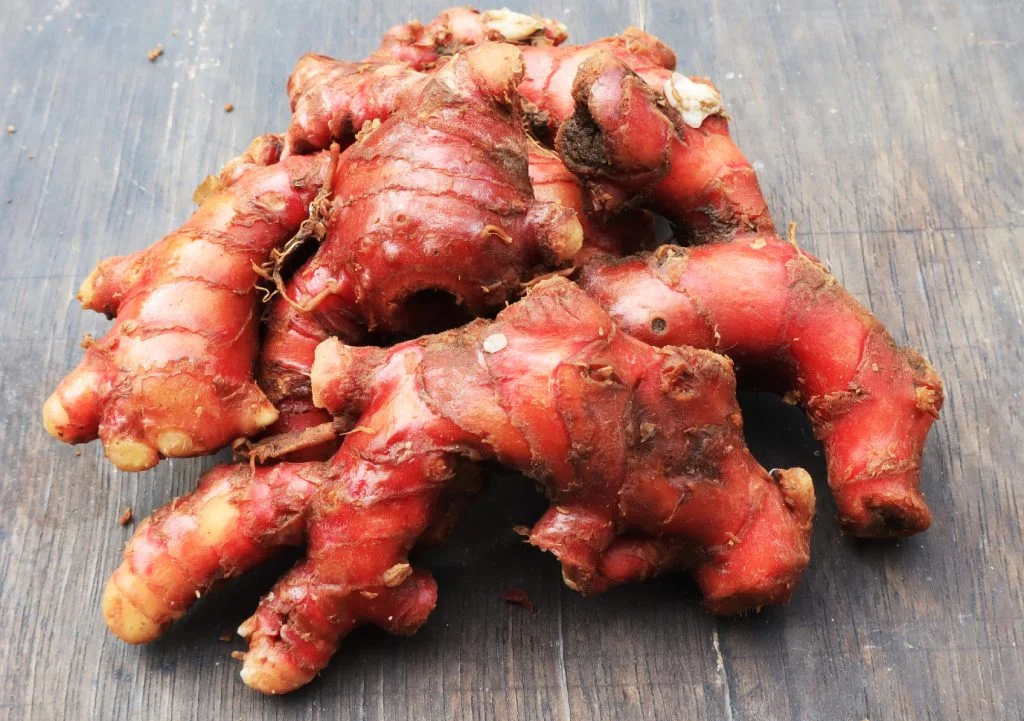
RRI.CO.ID, Jakarta - The growing threat of antimicrobial resistance (AMR) across the world is prompting researchers to look for treatment alternatives based on natural ingredients. One finding highlighted in a recent scientific review points to the potential of red ginger rhizome (Zingiber officinale) as a source of natural antibacterial and antioxidant compounds. The review was compiled by searching scientific literature from international databases such as PubMed, Scopus, Web of Science, Medline, Crossref, and Semantic Scholar, in order to summarize the latest evidence on AMR mechanisms and the role red ginger can play in addressing them.
According to the World Health Organization (WHO), good health is a state of physical and mental well-being that is not disrupted by disease. One of the greatest medical achievements of the 20th century in preserving that condition was the discovery of antibiotics, compounds that succeeded in extending human life expectancy by inhibiting essential biological processes in bacteria, including cell wall formation, protein synthesis, and DNA replication.
Over time, however, pathogenic bacteria have shown a worrying ability to adapt. Changes in drug-binding receptors are one way bacteria evade the effects of antibiotics, giving rise to the phenomenon of resistance. Bacteria can survive through two main pathways: a genetic pathway involving chromosomal mutations or the acquisition of new genetic elements that produce permanent changes, and a phenotypic pathway such as tolerance, heteroresistance, and biofilm formation, a protective layer made up of bacterial aggregates within a polymer matrix that makes it difficult for drugs to penetrate bacterial cells.
This situation is what has driven the medical world to turn its attention to bioactive components from herbal plants as alternative sources of antibacterial and antioxidant agents. Herbal plants are known to produce secondary metabolites with complex structures that have both antibacterial and antioxidant properties, giving them the potential to reduce the oxidative stress that often arises from microbial infections and other degenerative disorders.
According to a scientific article published by Universitas Airlangga, red ginger, one member of a plant family that also includes turmeric, cardamom, and galangal, has become a major focus of attention. This rhizome, native to Asia and spread through trade routes to East Africa and the Caribbean, is known not only as a cooking spice but also as a traditional medicinal ingredient.
Red ginger is reported to have a wide range of bioactivities, including antioxidant, antibacterial, anticancer, antidiabetic, and even insecticidal properties, thanks to its phytochemical content and essential oils.
In terms of mechanism, the antibacterial properties of ginger rhizome are influenced by several factors, including the type and content of compounds in the plant, the dose used, the type of target microbe, the composition of the material, the acidity level (pH), and the ambient temperature at which the compounds act. As an illustration, other studies have shown that plant extracts such as Cyperus rotundus can work synergistically to damage the peptidoglycan wall and cytoplasmic membrane of Staphylococcus aureus bacteria that have become resistant to ampicillin, indicating a similar direction that may also apply to the active compounds in ginger.
The use of medicinal plants in this way is actually nothing new, particularly among traditional medicine practitioners in rural areas of tropical countries such as Indonesia. WHO has even noted that around 74 percent of 119 pharmaceutical drugs currently used in modern medicine originate from plants that have historically been used as traditional remedies. This finding has prompted calls for major pharmaceutical companies to expand research in order to explore more deeply the potential value of plant-based materials, including red ginger.
Even so, researchers stress that knowledge about the specific mechanisms of red ginger's antimicrobial activity, including its role as a potential agent for AMR prevention, remains limited and requires further research. Going forward, strengthening antimicrobial resistance surveillance systems, improving healthcare systems, tightening regulations on the distribution of antimicrobial drugs, and educating the public are considered steps that are just as important to pursue alongside the exploration of natural solutions such as red ginger.
News Recomendation
Memuat berita terbaru.....