



Indonesia's Ministry of Health Expands Hospital-Based Specialist Doctor Training
- 04 Sep 2026 17:02 WIB
- Voice of Indonesia
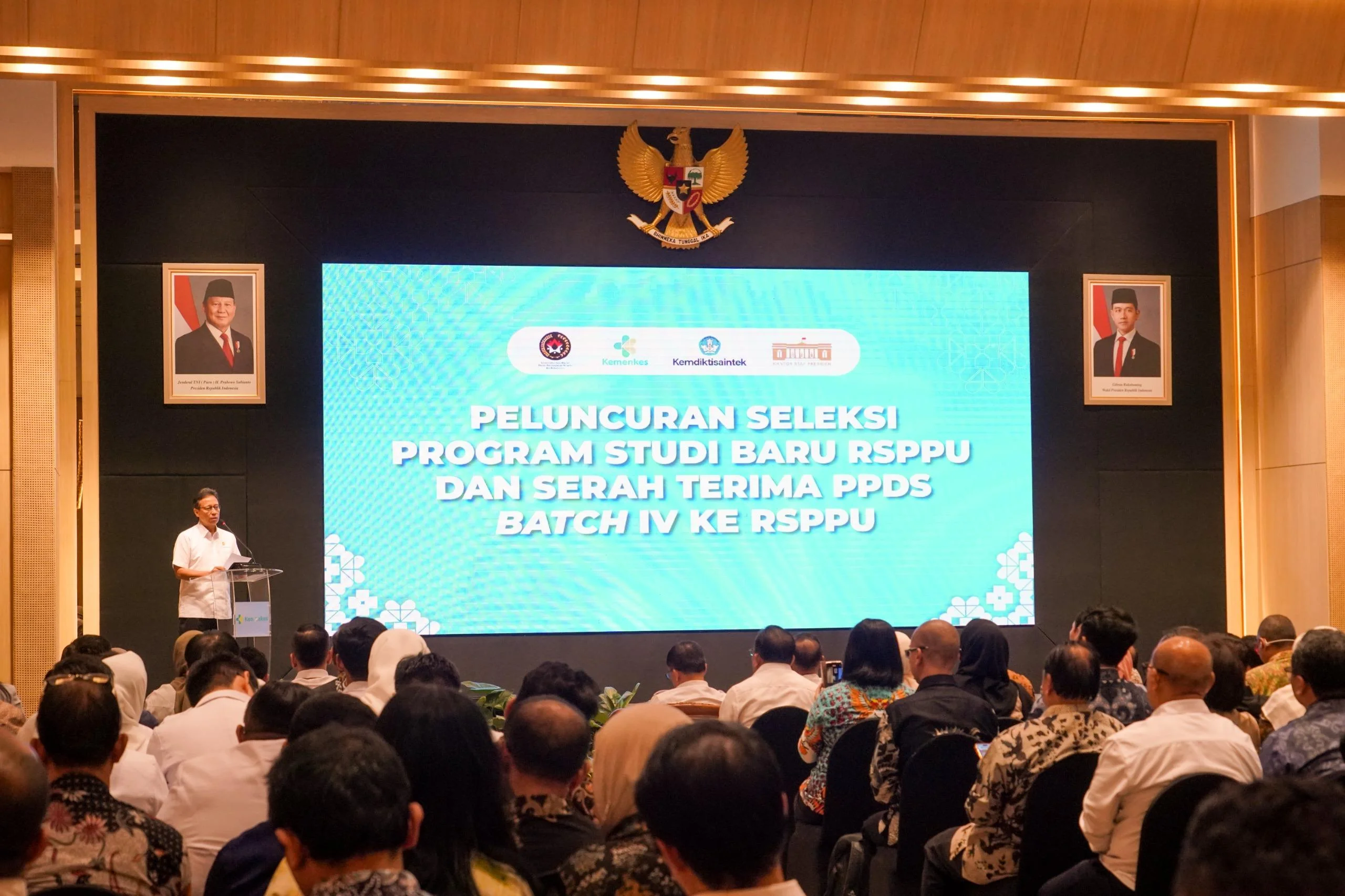
RRI.CO.ID, Jakarta - Indonesia's Ministry of Health officially launched 25 new hospital-based specialist doctor education programs on Thursday, September 3, 2026, in Jakarta. At the same event, 54 trainee doctors from Batch IV were formally handed over to six teaching hospitals to begin their specialist training. The move is part of a broader government push to close the long-standing shortage of specialist doctors that many Indonesians, particularly those outside major cities, have struggled with for years.
For ordinary citizens, the significance lies in how directly this addresses a familiar problem: too few specialists, unevenly spread across the country. Rather than waiting for medical schools to open new specialist programs one by one, the government is now placing specialist training directly inside hospitals, hoping graduates can fill gaps in underserved areas more quickly.
Coordinating Minister for Human Development and Culture, Pratikno, explained that the approach is built around actual demand rather than institutional readiness. "We are not training doctors based on which study programs or universities are ready to open a specialist track, but based on how many specialists of which kind are needed, and at which hospital," he said, framing the initiative as citizen-first public service.
Health Minister Budi Gunadi Sadikin added that the hospital-based model was chosen because Indonesia has far more hospitals than medical faculties. "We don't have 3,000 medical schools, but we do have 3,200 hospitals. In other countries, postgraduate medical education is also carried out in hospitals," he said, noting that the model is common practice internationally.
In the Batch IV handover, the 54 trainees were distributed across six hospitals according to specialty: Harapan Kita Cardiac and Vascular Hospital (10 trainees), Harapan Kita Mother and Child Hospital (8 trainees), Dharmais Cancer Hospital (6 trainees), Prof. Dr. R. Soeharso Orthopedic Hospital (10 trainees), Cicendo Eye Hospital (10 trainees), and Prof. Dr. dr. Mahar Mardjono National Brain Center Hospital (10 trainees). In practical terms, this means an incoming wave of new specialists in cardiology, pediatrics, oncology, orthopedics, ophthalmology, and neurology who will eventually treat patients directly.
On the question of quality, Accreditation Council for Graduate Medical Education (ACGME) International President and CEO James A. Arrighi confirmed the programs are not being fast-tracked at the expense of standards. He added that the focus goes beyond accreditation alone, extending to building a humane, safe, and respectful learning environment for trainees.
The initiative has drawn cross-agency support. Vice Minister of Higher Education, Science, and Technology Fauzan, called it an important step toward accelerating the country's response to its shortage of medical personnel, while Deputy III of the Presidential Staff Office, Yan Hiksas, affirmed the government's commitment to supporting its implementation.
News Recomendation
Memuat berita terbaru.....