



Integrated Patient Records SATUSEHAT EMR May Speed Up Treatment
- 01 Sep 2026 23:52 WIB
- Voice of Indonesia
Poin Utama
- The launch of SATUSEHAT EMR aims to strengthen healthcare services by creating a more integrated patient medical history.
- Integrating electronic medical records could also streamline healthcare services and financing processes.
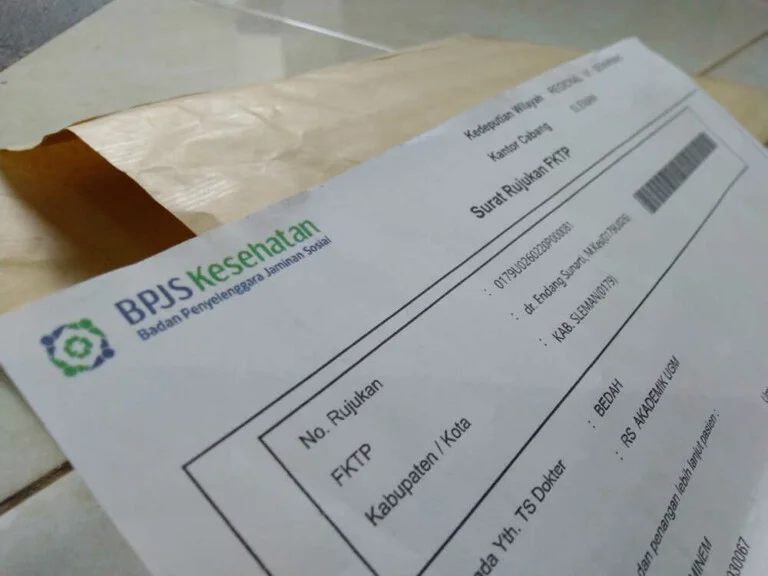
RRI.CO.ID, Jakarta – The launch of the SATUSEHAT Electronic Medical Record (EMR) system aims to strengthen healthcare services by creating a more integrated patient medical history. The Health Care and Social Security Agency (BPJS Kesehatan) stated that the system helps patients avoid redundant tests, allowing for faster diagnoses.
SATUSEHAT is the official national health data ecosystem platform developed by the Ministry of Health. The platform serves as a health information exchange hub, connecting all healthcare facilities, such as hospitals, community health centers (Puskesmas), clinics, pharmacies, and laboratories across Indonesia.
BPJS Kesehatan President Director Prihati Pujowaskito noted that integrating electronic medical records could also streamline healthcare services and financing processes. Well-documented patient health history data enables healthcare workers to access necessary information without repeating tests that have already been performed.
"This supports quality healthcare services. Patients seeking treatment do not need to undergo repeated tests, allowing diagnoses to be determined immediately. Most importantly, the process of hospitals claiming reimbursement from BPJS becomes easier," said Prihati during the SATUSEHAT EMR launch in Jakarta on Tuesday, September 1, 2026, as quoted by Antara.
Currently, the ecosystem encompasses approximately 3,200 hospitals and 23,000 clinics. BPJS Kesehatan supports integrating the SATUSEHAT EMR with the Mobile JKN app to provide participants with comprehensive health information and streamline the claims process.
He said the integration was crucial because the claims process has always had technical issues. Documents from healthcare facilities, for example, are often in PDF format, which requires extra steps to make them readable and compatible with the system.
"We have a tool that can read those PDFs and input them into our financing platform system. When the EMR launched, we immediately partnered with SATUSEHAT so BPJS could access these electronic medical records for the claims process," he said.
Prihati says EMRs can support a shift in healthcare services toward value-based financing because current financing is mostly volume-based due to a lack of a nationally aligned remuneration system. The RME is capable of providing an overview of clinical pathways, including patient care duration, treatment outcomes, healthcare professional involvement, and costs incurred.
This information can serve as a shared reference point for evaluating the appropriateness of patient care and assessing cost efficiency.
"With a well-organized electronic medical record system, all data can support value-based services," said Prihati.
He also welcomed the integration of SATUSEHAT RME with Mobile JKN. In his view, integrating these two systems can enrich the personal health data of BPJS Kesehatan participants.
"Mobile JKN currently has 64 million users, so connecting it with SATUSEHAT will complement participants' personal health data," he stated. ***
News Recomendation
Memuat berita terbaru.....