



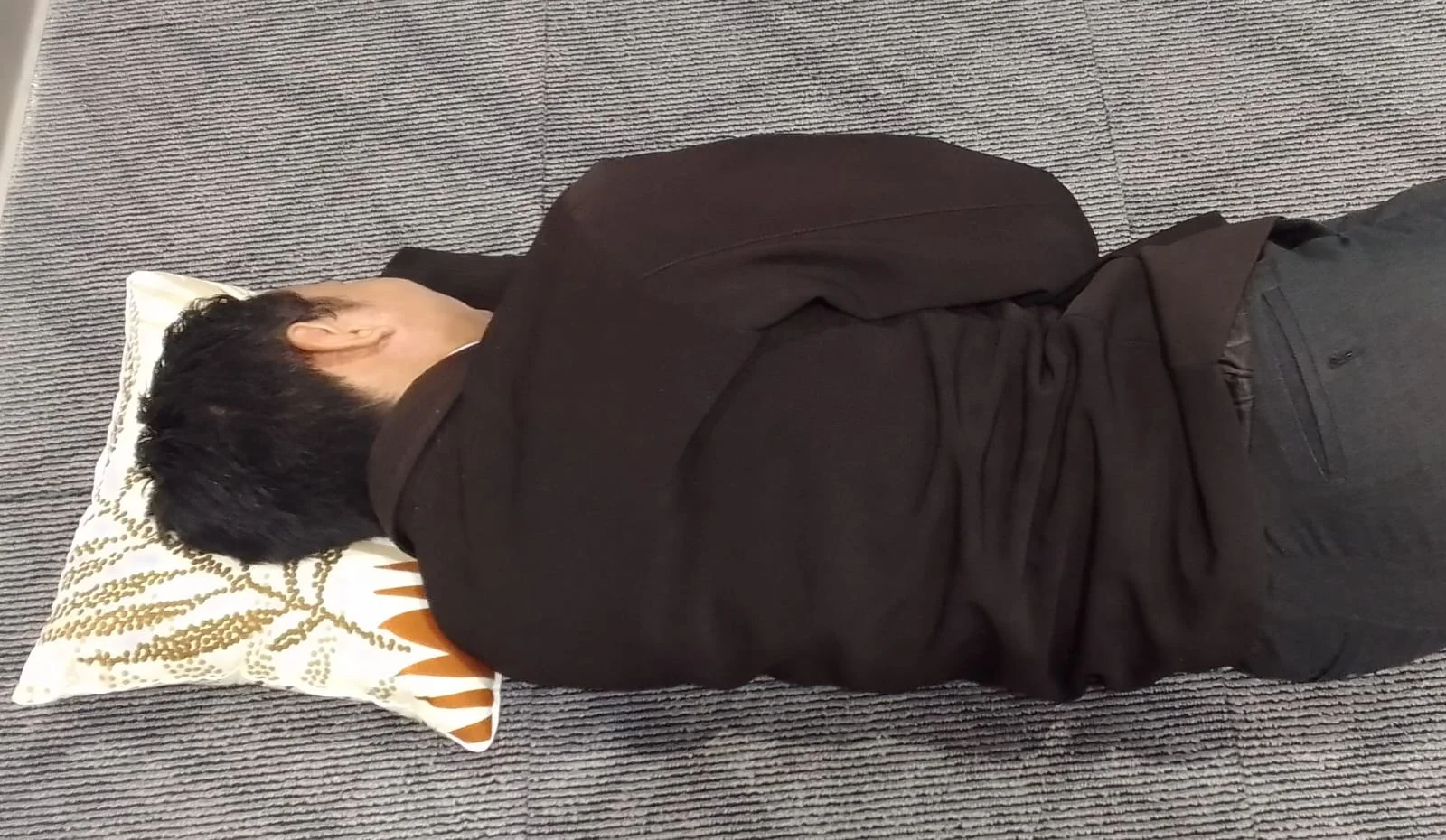
RRI.CO.ID, Jakarta - Many people think that getting enough sleep, as recommended by health experts, such as a minimum of 7 hours, is sufficient for adults. Especially for toddlers, adequate sleep is needed because it's related to brain function.
However, for adults, the quantity of sleep does not guarantee physical well-being.
It’s Not Just Duration, But Your Environment That Matters
We often focus on how many hours of sleep we should get each night and assume that’s the only key to restful sleep. However, Professor Pierre Philip, a psychiatrist and head of the Sleep Medicine Department at Bordeaux University Hospital, said that the real problem might not be the duration, but the environment where we spend the night. Subtle factors like room temperature, lighting, noise levels, and even the people we share a room with carry just as much weight. The good news is that a few small adjustments can be enough to dramatically improve our sleep quality.
Maintain a Cool Room Temperature
The first thing to check is your room temperature. The ideal temperature for sleep is between 17 and 18°C. This isn’t just about comfort. A room that’s too warm can trigger frequent awakenings during the night. Beyond that, high temperatures also delay sleep onset and prevent you from reaching deep slow-wave sleep — the most restorative phase of the night. Cooling down your bedroom helps you fall asleep faster and stay asleep longer.
Warm Your Feet to Cool Your Body Down
It sounds counterintuitive, but if your feet are always cold at night, try wearing socks to bed. Professor Philip explained that warming your feet actually helps cool your body. When your feet are warm, blood vessels dilate through a process called vasodilation. This lowers your core body temperature and signals to your brain that it’s time to sleep. With this simple trick, your body can transition into rest mode more easily.
Create Total Darkness in the Bedroom
Besides temperature, light is one of the main signals that regulates our biological clock. Morning light tells our body to wake up. So in the summer, when the sun rises very early, using blackout curtains can help extend sleep by limiting this stimulus. The darker the room, the better your brain can maintain sleep quality. Be mindful of artificial light too. LED lights, for example, emit blue light that mimics morning signals and suppresses melatonin production, the sleep hormone. That’s why it’s important to choose lamps that don’t emit blue light in the hours before bed.
Mute the Noises That Cause Micro-Awakenings
The biggest enemy of restful sleep is often invisible, but audible. Traffic, slamming doors, noisy neighbors, children, or a snoring partner — there’s no shortage of disturbances. "Even if you think you’re used to it, nighttime noise can still cause brief micro-awakenings," Professor Philip warns. If this happens often, start with earplugs. Try them for a week to assess the impact on your sleep. If the disturbance comes from your sleeping partner, consider separate mattresses or, in some cases, separate bedrooms. As neurologist Marc Rey points out, repeated snoring or restlessness disrupts sleep and leads to significant fatigue the next day.
Beware of the Long-Term Effects of Poor Sleep
Chronic sleep disruption is not trivial. In the long run, poor-quality sleep increases the risk of hypertension, weight gain, attention problems, and memory issues. It can also contribute to anxiety and increase the risk of depression. Taking care of your sleep environment is therefore not just about comfort tonight — it’s an investment in your physical and mental health for the future.
Rethink Sleeping with Pets
Finally, although pets can feel comforting, they aren’t always the best bedtime companions. "Animals don’t have the same sleep-wake cycle as humans," Dr. Marc Rey pointed out. "They wake up more often, move around at night, and ultimately disturb the sleep of people who share the same room, especially light sleepers." If you’re easily awakened, it’s better to give your furry friend their own bed outside the bedroom.
In the end, restful sleep isn’t just about "how long" you sleep, but "how well" your environment supports it. By adjusting temperature, light, sound, and who or what you share your room with, your nights can become much more restorative.
Source: Madame Figaro
News Recomendation
Memuat berita terbaru.....