



AI Surveillance System Safeguards Elephants in Way Kambas National Park
- 16 Sep 2026 22:37 WIB
- Voice of Indonesia
Poin Utama
- Way Kambas National Park (TNWK) has implemented an AI-based Integrated Surveillance System covering 167 kilometers of its boundary.
- The system combines 360-degree CCTV cameras, drones, and 38 camera traps to monitor Sumatran elephant movements and remotely assess their health.
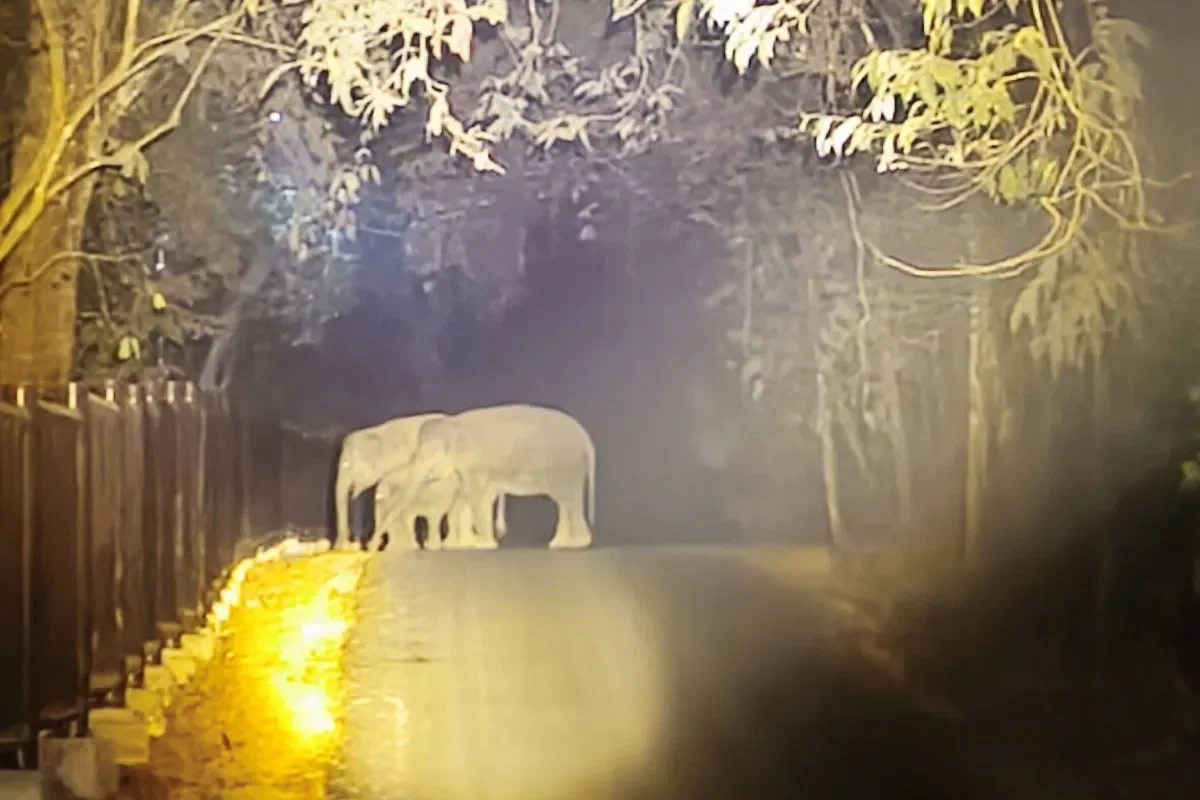
RRI.CO.ID, Bandar Lampung - Way Kambas National Park (TNWK) in East Lampung Regency, Lampung Province, has officially implemented an Artificial Intelligent (AI) based Integrated Surveillance System spanning 167 kilometers along its boundary line. By integrating 360-degree CCTV cameras, drones, and camera traps, the digital monitoring network tracks Sumatran elephant (Elephas maximus sumatranus) movements in real time while remotely assessing their health.
This blend of technology and community-based approaches has reduced negative interactions between Sumatran elephants and residents of buffer villages to zero cases throughout July and August 2026. The mitigation infrastructure, built under a Type IV Self-Management (Swakelola Tipe IV) scheme, involved 1,091 local residents.
The initiative combines physical infrastructure, artificial intelligence, and economic empowerment to end years of agrarian-conservation conflict, with AI serving as the backbone for monitoring the 167-kilometer border area.
Centralized oversight from a command center relies on 360-degree CCTV cameras installed at one-kilometer intervals along the boundary line. These surveillance cameras are directly integrated with drones and 38 camera traps distributed across TNWK’s wilderness.
“The system we built is AI-based. Through it, we can predict elephant movements and even detect their health conditions, whether they are vitamin-deficient or ill,” said Chairperson of the Joint Committee for Mitigation and Handling of Negative Interactions with Sumatran Elephants at TNWK, Sriyanto, on Wednesday, September 16, 2026.
During a goodwill meeting with heads of buffer villages and kampungs around TNWK at the TNWK Hall on Tuesday, September 13, 2025, Sriyanto said digital surveillance has proven effective in curbing forestry crimes. Over the past six months, the system has facilitated three arrests of poachers and individuals engaged in illegal activities inside the park.
The installation of 360-degree CCTV has also addressed the threat of monitoring equipment being vandalized, previously, 38 of 52 camera traps were burned or had their memory cards removed by irresponsible parties.
The digital dashboard was co-developed with students and alumni of the University of Lampung (Unila) to monitor wildlife in the border area. Beyond wildlife tracking, the system can detect potential crimes and community activities, including identifying unlicensed vehicles and illegal street racing.
Construction of physical mitigation infrastructure has proceeded intensively since early June. The project includes earth embankments, canals, steel-pipe fencing, H-beam fencing, watch posts, bridges, and related structures. All fieldwork prioritizes hiring labor from surrounding villages.
“From the outset, I emphasized that all these activities must benefit the community, and overall progress has now reached 82 percent,” said Sriyanto, as quoted by Antara.
President Prabowo Subianto has instructed the restoration of ecosystem infrastructure at TNWK to reduce negative human-elephant interactions. “The project’s fund circulation, reaching hundreds of billions of rupiah, provides a direct economic boost to residents of buffer villages,” said Sriyanto.
The digital surveillance transformation is complemented by efforts to strengthen social capacity. Sriyanto highlighted that wild elephants in Way Kambas tend to be thin and aggressive, contrasting with elephants in Thailand, which appear healthier and calmer due to higher community involvement in feeding.
“In Thailand, the public helps provide feed through foundations and volunteers. We want to emulate that positive model. The more often elephants pass through safely, the more tourists will come,” he said.
This harmonization will be realized through planned cooperation agreements for elephant feed supply, contracting directly with residents and village cooperatives in buffer areas.
At the meeting, the Joint Committee committed to providing 10 drilled wells and small reservoirs (embung) in fire-prone areas such as the Susunan Baru Resort. These facilities will serve dual purposes: as firefighting resources and as drinking points for wildlife during the dry season.
In the creative economy sector, a citronella oil distillation machine has been built in Braja Asri Village as a pilot center for derivative processed products. All facilities are being prepared ahead of a planned inauguration by the President of Indonesia in October, to be coupled with the Way Kambas Festival, targeting 3,000 visitors.
East Lampung Regency Administration is supporting the effort by improving road access infrastructure from Tridatu Rajabasa Lama Market, Labuhan Ratu, to the national park entrance.
“No matter how strong the structures we build, if the elephants are angry, they will collapse. What matters most is our presence and sense of unity. Way Kambas National Park belongs to all of us,” stressed Sriyanto. ***
News Recomendation
Memuat berita terbaru.....