



Indonesia Accelerates PSEL to Tackle Waste Crisis
- 08 Sep 2026 21:23 WIB
- Voice of Indonesia
Poin Utama
- Indonesia produces over 144,000 tons of waste daily, and its build-up has caused serious safety hazards, including 23 landfill fires and 8 deaths in 2026.
- To fix this, Waste-to-Energy (PSEL) facilities are starting to be built in Denpasar and Bekasi, aiming to build at least 11 facilities by 2028 to process 25% to 30% of the nation's waste.
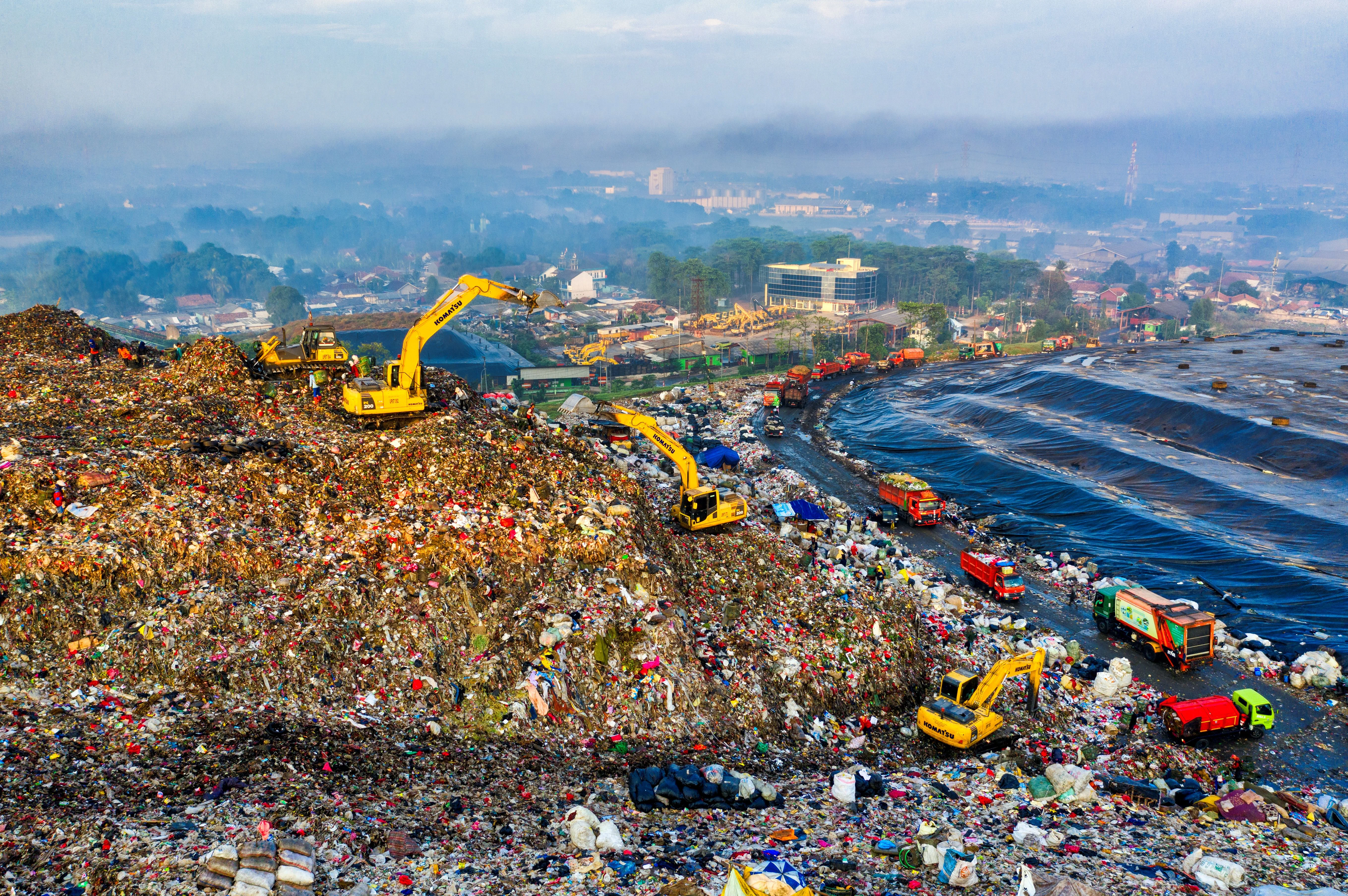
RRI.CO.ID, Jakarta – Indonesia continues to accelerate the development of Waste-to-Energy (PSEL) facilities to address the national waste crisis. This step serves as an important strategy for the government to turn a severe environmental problem into a profitable economic opportunity.
Director of Waste Management at the Ministry of Environment, Melda Mardalena, explained that this crisis is a very serious concern because Indonesia generates around 144,562 tons of waste every day. Unfortunately, out of that huge amount, only 25 percent of the waste is properly managed, while the rest is still piled up in final processing sites (TPA) using open dumping systems.
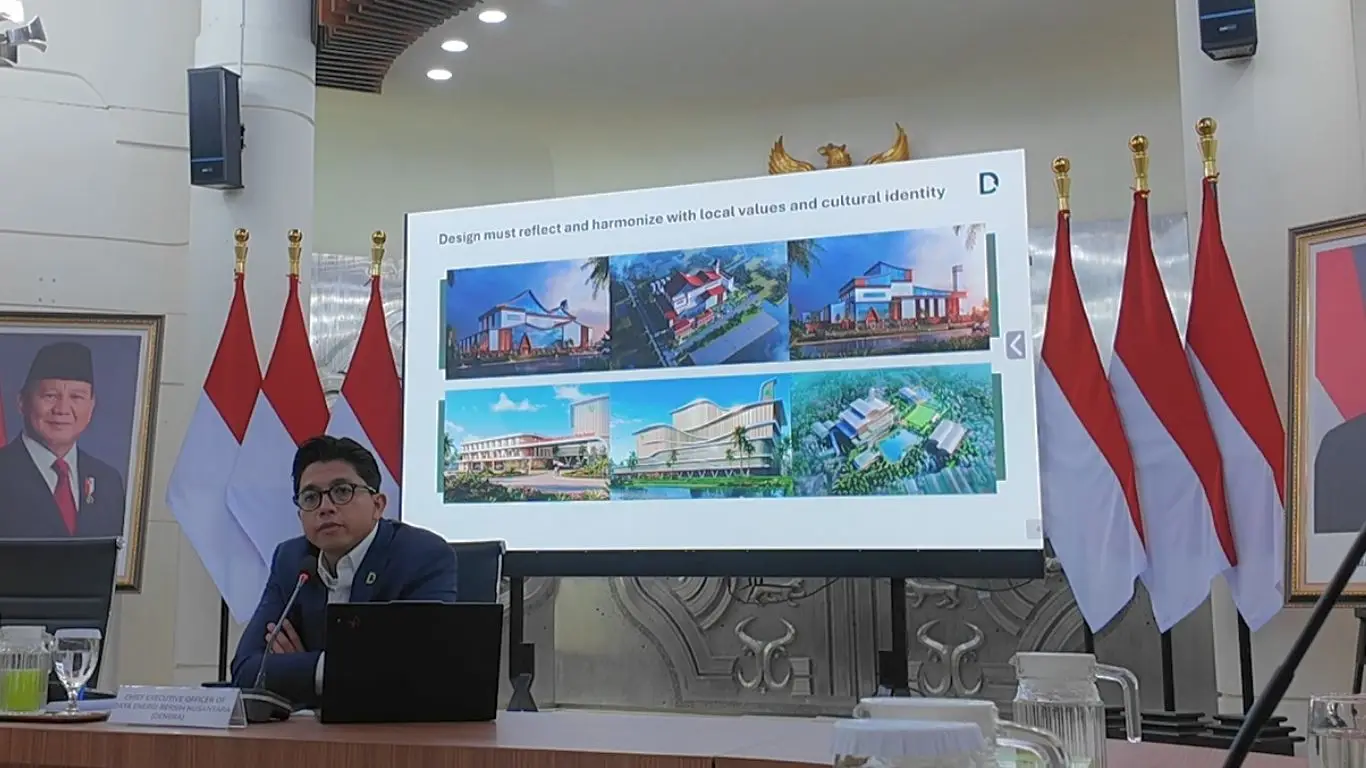
The waste accumulation in various regions has also triggered workplace safety hazards and disasters. CEO of Daya Energi Bersih Nusantara (DENERA), Fadli Rahman, revealed that in 2026 alone, there were 23 fire incidents causing 8 fatalities at waste disposal facilities.
“Waste crisis in Indonesia is real. One of the key statistics is that there are 23 fire incidents only in 2026 at waste disposal facilities in Indonesia with 8 recorded fatalities in landfills. So, this is a crisis,” Fadli said during a media briefing titled “Transforming Indonesia’s Waste Challenge into an Environmental, Energy and Economic Opportunity” at the Auditorium of the Government Communication Agency Office in Jakarta on Monday, September 7, 2026.
Seeing the huge impact, Melda stated that the government is now preparing more structured and integrated management steps from upstream to downstream. One of the main solutions is building PSEL facilities.
Melda explained, “Consequently, there is a need for structural, massive, and integrated acceleration measures. One of which is development of environmental-friendly technology, which is Waste-to-Energy (PSEL) facility as a downstream waste management option.”
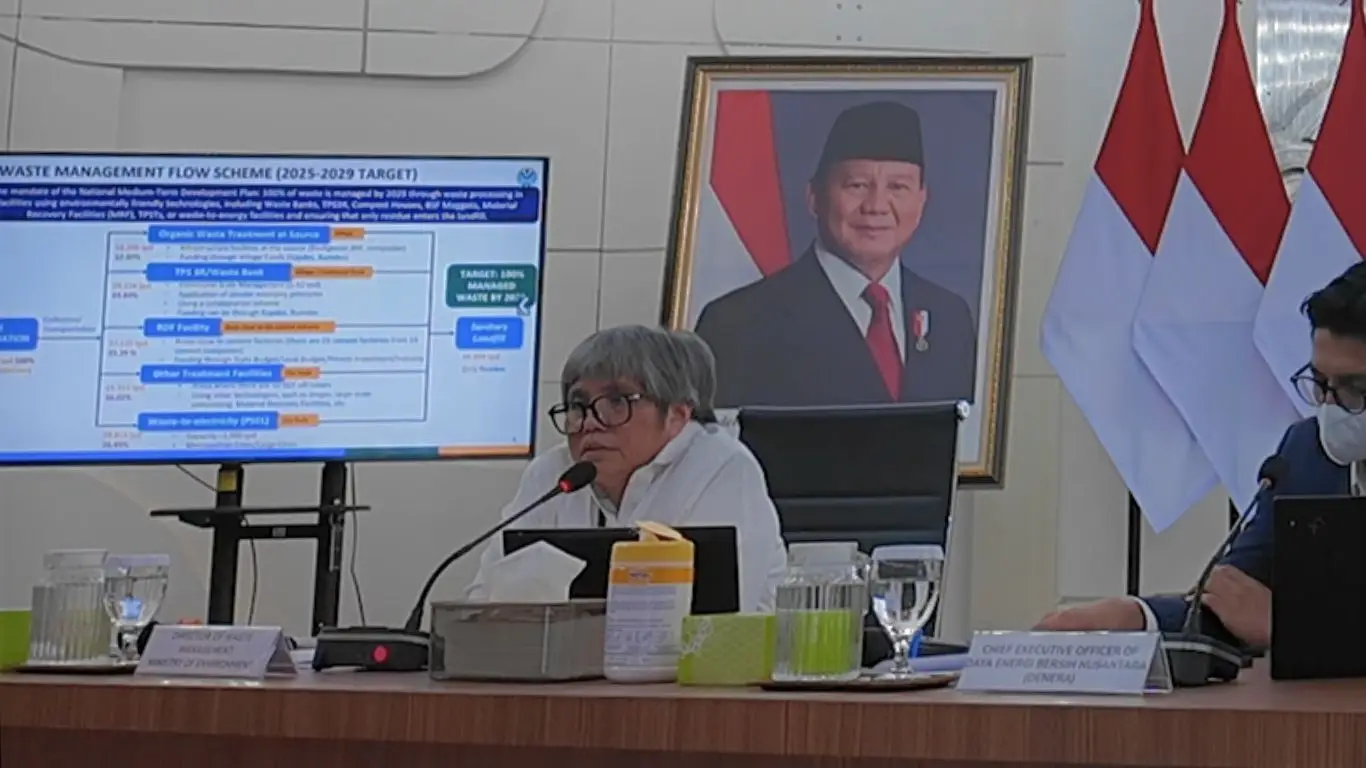
To support this plan, the government has prepared a waste management roadmap divided into three main stages. The stages begin upstream with waste sorting and producer responsibility, continue midstream through community-based processing, and end downstream by banning open dumping while focusing on processing residual waste.
This effort is critical because the waste flow plan from 2025 to 2029 estimates that daily waste volume will continue to rise to 146,000 tons by 2029. Therefore, PSEL infrastructure is expected to play a major role, covering 25 percent to 30 percent of all waste management in Indonesia.
The initial phase of PSEL construction officially began in two areas, Denpasar and Bekasi, in July and August 2026. This program mandates the expansion of construction to at least 11 facilities across Indonesia by 2028, including in Bogor, Medan, Semarang, Surabaya, Lampung, Serang, and Yogyakarta.
News Recomendation
Memuat berita terbaru.....