



Jakarta Restores Wetlands with Release of Protected Waterbirds
- 11 Agt 2026 00:45 WIB
- Voice of Indonesia
Poin Utama
- The Forestry Ministry released 15 waterbirds at Angke Nature Tourism Park in North Jakarta during National Nature Conservation Day 2026.
- The initiative aims to restore the urban wetland ecosystem, strengthen biodiversity, and support Jakarta's coastal protection through mangrove conservation.
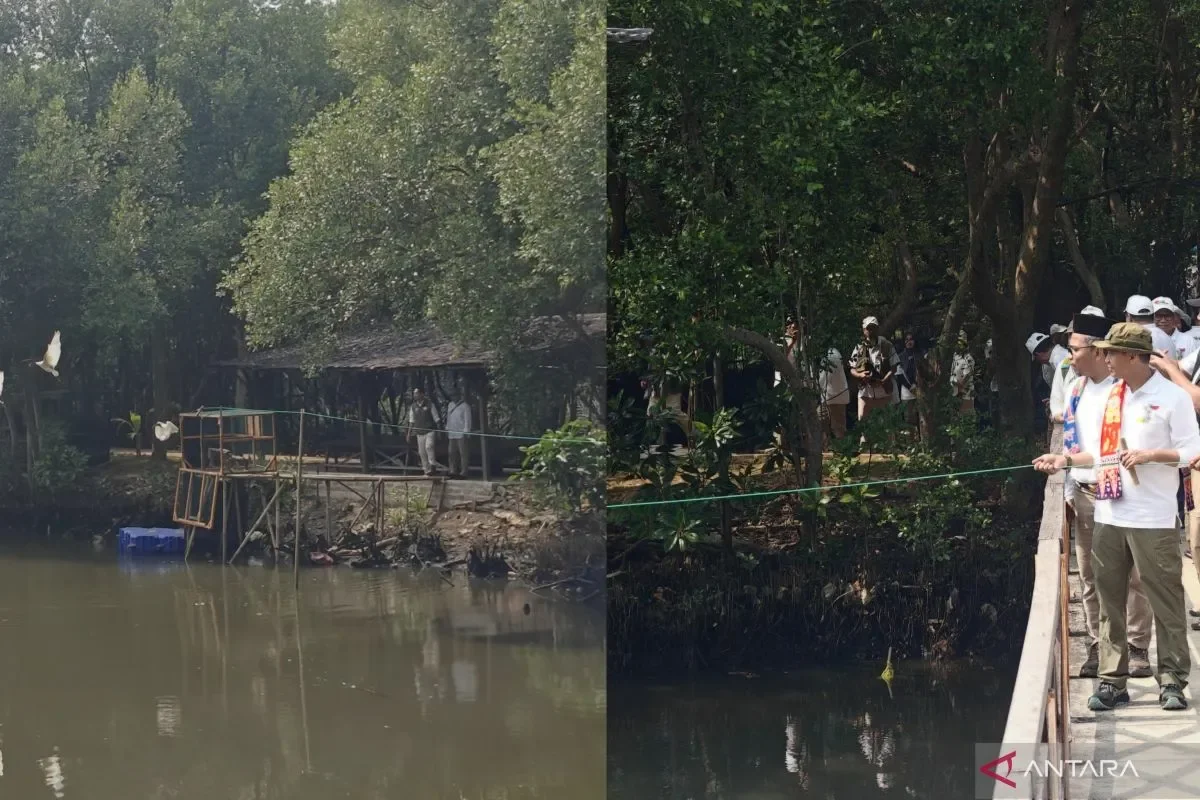
RRI.CO.ID, Jakarta - Jakarta’s Angke Nature Tourism Park (TWA Angke) is witnessing a renewed push for urban ecological restoration, marked by the release of 15 waterbirds alongside mangrove planting as part of Indonesia’s National Nature Conservation Day 2026.
Forestry Minister Raja Juli Antoni and Deputy Minister Rohmat Marzuki led the release in North Jakarta on Monday, August 10, underscoring efforts to revive wetland ecosystems and strengthen conservation functions within metropolitan areas.
Among the species released were the black‑headed ibis (Threskiornis melanocephalus), a protected bird closely tied to the health of mangrove and coastal habitats, and the little black cormorant (Phalacrocorax sulcirostris), considered an indicator of aquatic ecosystem quality.
“This release is meant to restore the ecological functions of the area while enriching biodiversity in suitable habitats,” Director General of Natural Resources and Ecosystem Conservation at the Forestry Ministry, Satyawan Pudyatmoko, said, as quoted by Antara.
The ibis, described as a large waterbird whose survival reflects wetland sustainability, and the cormorant, which signals healthy aquatic environments, highlight the role of wildlife in gauging ecosystem resilience.
The event also commemorated the Textile Museum’s 50th anniversary and followed President Prabowo Subianto’s directive on rehabilitating degraded land and strengthening environmental recovery.
TWA Angke, spanning nearly 100 hectares in Kamal Muara, Penjaringan, remains one of Jakarta’s last mangrove forests. Once severely depleted, its mangrove cover has rebounded to 70–80 percent through restoration efforts, serving as a vital coastal buffer, carbon sink, and habitat for diverse species.
“In conservation, it is not only about the trees but also the wildlife within them, which are essential components to be restored,” Satyawan added.
By combining bird releases with mangrove planting, the initiative demonstrates how urban conservation areas can continue to provide ecological benefits amid the pressures of climate change and rapid urbanization. ***
News Recomendation
Memuat berita terbaru.....