



Indonesia's Government Reveals Cause of Mass Fish Death in Bali's Volcanic Lake
- 05 Agt 2026 13:24 WIB
- Voice of Indonesia
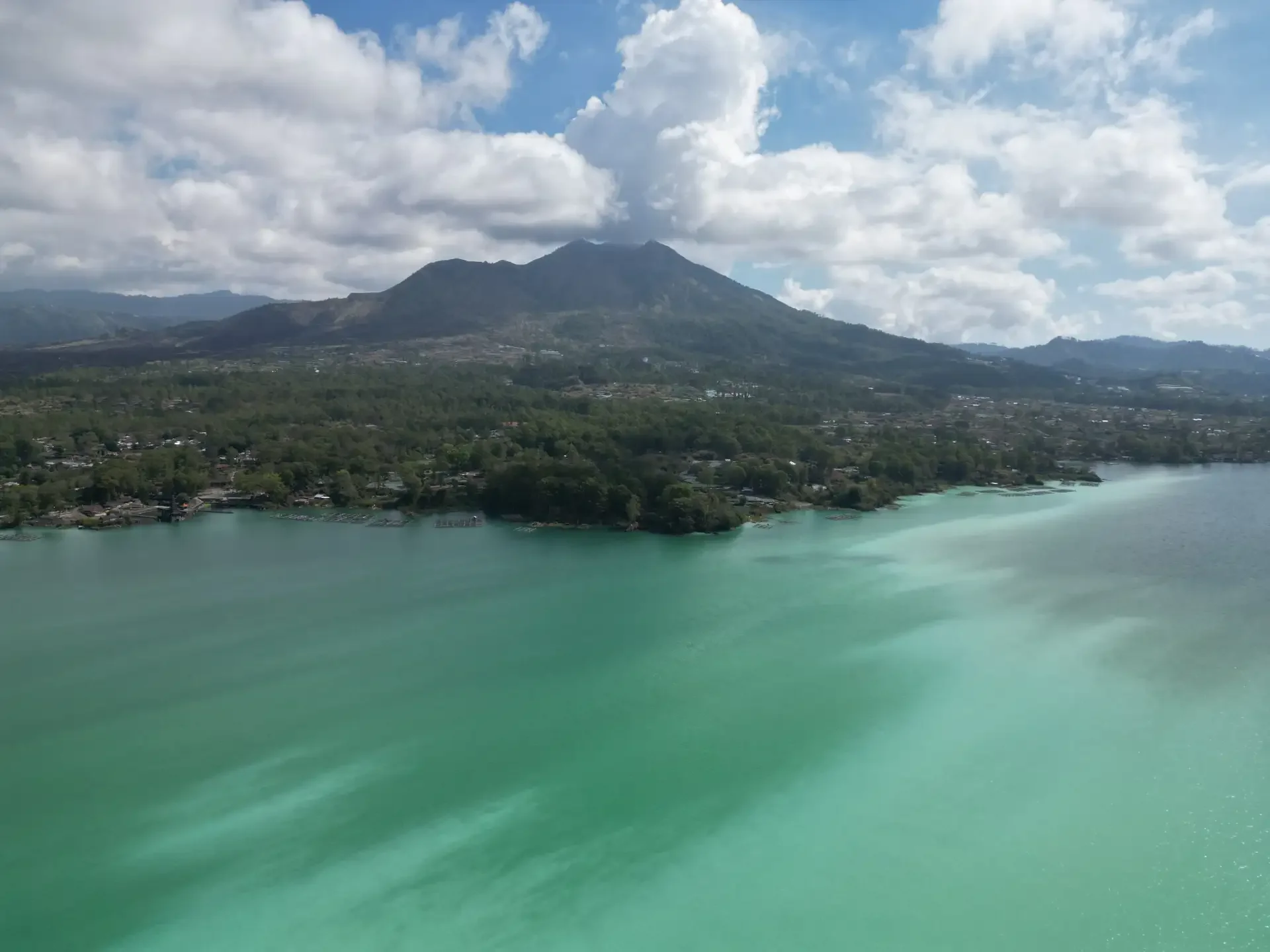
RRI.CO.ID, Bali - Hundreds of tons of fish died suddenly in Lake Batur, a popular volcanic lake on the island of Bali, Indonesia, in late July 2026. The National Research and Innovation Agency (BRIN) stated that this incident was most likely caused by a natural phenomenon called "lake mixing," which is the rise of toxic water from the lakebed to the surface.
According to measurements by the research team at the site, dissolved oxygen levels in the surface water plummeted to near zero at the time of the incident. Simultaneously, a pungent odor of hydrogen sulfide (H₂S) gas was detected, indicating that oxygen-poor water from the lakebed had mixed with the surface water where the fish lived.
BRIN biogeochemistry researcher, Sulung Nomosatryo, explained that the lakebed naturally stores sulfide compounds from the decay of organic matter over many years. When the water mixes, these compounds rise to the surface and can turn into hydrogen sulfide, a substance that is highly toxic to fish.
Sulung emphasized that the H₂S odor alone is not enough to determine the sole cause of the fish deaths. He stated that thorough laboratory testing of the water quality is needed before any definitive conclusions can be drawn.
BRIN hydrodynamics researcher, Arianto Budi Santoso, added that Lake Batur's location near Mount Batur makes the lake's sulfur content higher than that of other lakes in general. He explained that this water mixing phenomenon typically occurs annually between June and August, late December, and February.
Research published in the international journal Inland Waters confirms that Lake Batur is classified as a "polymictic" lake, meaning that it experiences water mixing multiple times a year. The impact of this natural process is said to vary depending on the weather, the physical condition of the lake, and the health of the ecosystem at the time of the event.
To prevent similar incidents in the future, BRIN plans to strengthen continuous monitoring of the lake's temperature, oxygen, and water quality. This data is expected to form the basis for an early warning system and more adaptive lake management policies for the government and local communities.
News Recomendation
Memuat berita terbaru.....