



UGM Study Reveals Parasite Threats Facing Wild Komodo Dragons
- 22 Jul 2026 13:12 WIB
- Voice of Indonesia
Poin Utama
- UGM researchers identified endemic parasites and tick-related health risks affecting wild Komodo dragons in Komodo National Park.
- The study recommends routine parasite monitoring and stronger biosecurity measures to reduce disease risks in tourism areas.
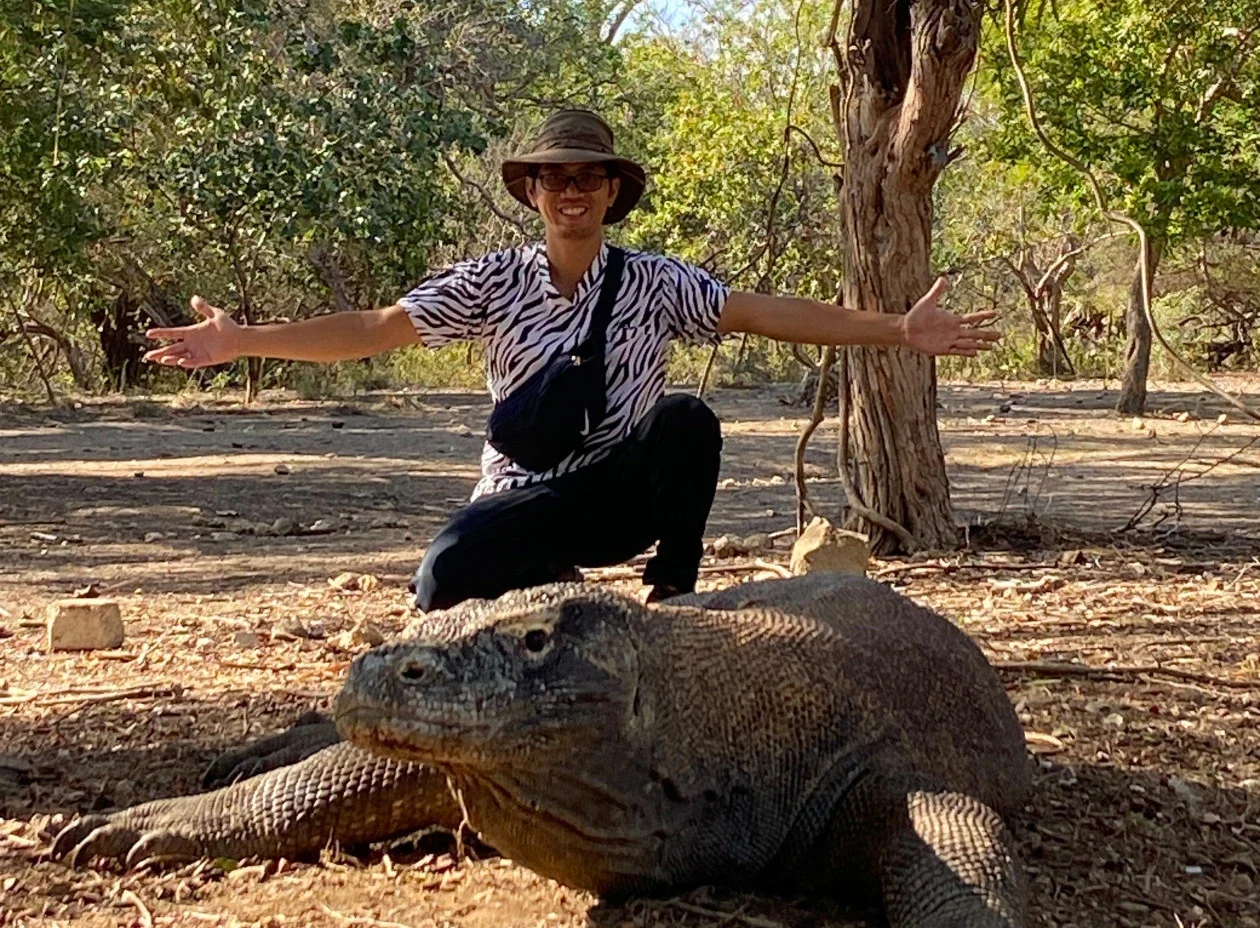
RRI.CO.ID, Yogyakarta - While conservation efforts for the endangered Komodo dragon (Varanus komodoensis) have historically focused on population counts and habitat ecology, a groundbreaking study by researchers at Universitas Gadjah Mada (UGM) highlights a long-overlooked factor in the species' survival: parasite health risks and disease transmission.
The doctoral research, conducted by Aji Winarso under a joint supervision program between UGM's Faculty of Veterinary Medicine (FKH UGM) and Masaryk University in the Czech Republic, utilized a One Health framework integrating classical parasitology, molecular taxonomy, and landscape ecology.
Legal access and ethical clearances were secured through the Ministry of Forestry before field teams coordinated with the Komodo National Park Center to collect fecal, blood, and ectoparasite samples across wild Komodo habitats.
The study revealed that the endemic tapeworm Kapsulotaenia sandgroundi infects wild Komodo dragons at a 6.67 percent prevalence rate, relying on a double-layered protective egg capsule to survive East Nusa Tenggara’s harsh, semi-arid savanna climate.
Additionally, field observations documented Komodo ticks biting humans on Rinca Island, raising concerns that close contact between tourists, dragons, and prey animals like deer and wild boars increases the risk of vector-borne disease spillover. While low-level parasite presence is natural in wildlife, heavy parasite burdens triggered by environmental stress, habitat degradation, or intense human activity can severely compromise a Komodo dragon's immune system.
Leading researchers on the project emphasized that understanding parasite dynamics is essential for proactive conservation and biosecurity in high-traffic national parks.
Professor of Parasitology at FKH UGM, Wisnu Nurcahyo, noted that parasites provide vital clues regarding overall ecosystem balance. "Parasites are not merely pathogens; they are indicators of ecological integrity, ectoparasite population surges and their interactions with the environment and human activity signal the need for a more strategic biosecurity management system," Wisnu explained, as quoted on UGM's official website on early July 2026.
Aji Winarso underscored the importance of establishing baseline health data to safeguard endemic wildlife against emerging zoonotic threats.
"We wanted to build baseline data on Komodo pathogens and parasites as a foundation for early disease detection, especially amid increasing interactions between Komodo dragons and humans driven by tourism," Aji said.
"If unchecked interactions occur between dragons, prey species, and humans in tourism zones, the risk of disease spillover is very real, we advise park managers to routinely monitor parasite trends, ensure prey populations remain disease-free, and enforce strict biosecurity protocols for park rangers and visitors to break the chain of potential zoonotic transmission," Aji added. ***
News Recomendation
Memuat berita terbaru.....