



Waste Management Holds the Key to Preserving Bali’s Tourism Competitiveness
- 11 Jun 2026 09:15 WIB
- Voice of Indonesia
Poin Utama
- The Ministry of Tourism says effective waste management is essential to maintaining Bali’s status as a world-class tourism destination amid rising visitor numbers.
- Authorities are encouraging stronger collaboration between government agencies and tourism businesses to improve waste sorting, processing, and compliance with environmental regulations.
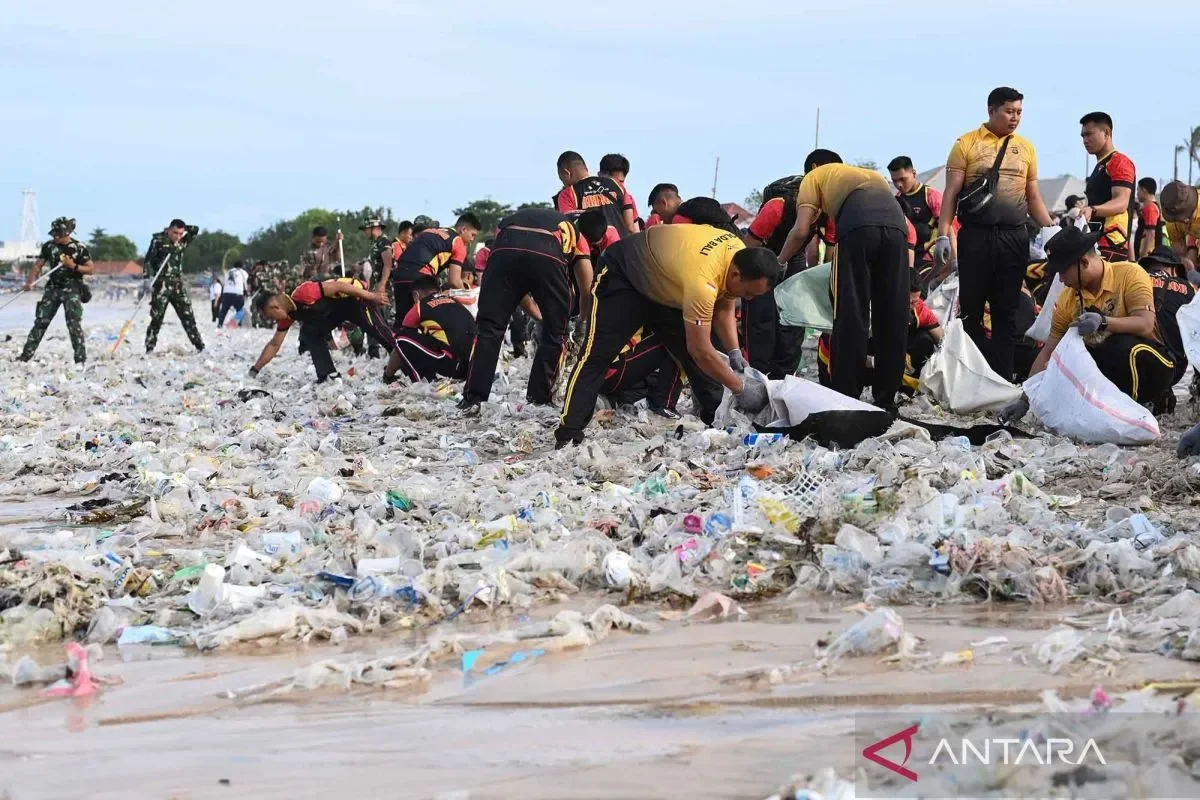
RRI.CO.ID, Sanur - The Indonesian Ministry of Tourism has issued a firm call to action for Bali's hospitality sector, warning that systematic waste management is the single most critical factor in preserving the island’s global competitiveness and world-class reputation.
Speaking at a strategic coordination meeting, Deputy Tourism Minister Ni Luh Puspa emphasized that while skyrocketing tourist arrivals have successfully catalyzed foreign direct investment and boosted the regional economy, the influx has brought the island's environmental infrastructure to a critical tipping point.
“But these achievements also present growing challenges to environmental management and destination sustainability, especially regarding the issue of waste," Puspa said on Monday, June 7, 2026, at The Meru Sanur in Denpasar, Bali, as quoted by the Ministry of Tourism's official website.
| Baca juga: World Rhino Day Brings Hope to Ujung Kulon |
She met with representatives from the Ministry of Environment and local hospitality operators, as quoted on Ministry's official website.
Data from the Ministry of Environment’s National Waste Management Information System places Bali as the eighth-highest waste generator in the country. While households contribute the lion's share at 73.97 percent, commercial zones, specifically hotels, restaurants, and cafes (Horeca), remain major secondary contributors.
The waste crisis is heavily concentrated across the island's primary tourism golden triangle: Denpasar, Gianyar, and Badung. The severity of the situation caught executive attention earlier this year during a national coordination meeting, where the President explicitly singled out Bali as a top-priority zone for environmental intervention.
"Even in early 2026, during a national coordination meeting, the President specifically highlighted the waste problem and named Bali as one of the priority regions," Puspa revealed, stressing that waste management directly impacts public health and the overall quality of local life.
Over the past year, tourism and environmental officials have been auditing the Horeca sector to map out operational bottlenecks. The investigation uncovered several structural friction points, including complications in processing organic waste at municipal sorting facilities (TPS 3R) and severe logistical backups triggered by the closure of the overcapacity Suwung landfill (TPA Suwung).
Furthermore, the disposal of hazardous and toxic waste (B3) remains heavily constrained by exorbitant logistical costs. Because dedicated processing facilities are located across the sea in Surabaya, East Java, many local businesses only transport their hazardous waste once a year.
From a regulatory standpoint, government mandates require large commercial establishments to manage their waste independently. However, compliance remains inconsistent.
"However, practices in the field are not yet fully aligned with the mandate of Government Regulation No. 81/2012, which requires waste segregation into five categories," the Deputy Minister noted, pointing out deviations from the 2012 Government Regulation on waste sorting.
Despite these systemic hurdles, the audit brought to light encouraging signs of private sector initiative. More than 67 percent of Bali's hospitality businesses have already bypassed public infrastructure by outsourcing their disposal to private, third-party waste management firms.
"Therefore, business actors hope to obtain clear information regarding third parties that have been certified by the local environmental agency to ensure that the chosen vendor meets the applicable waste management regulations," Puspa explained on behalf of industrial players seeking a standardized directory of certified green vendors.
To tackle these challenges without placing additional pressure on the still-recovering tourism economy, the Ministry of Tourism proposed a four-pronged strategy. The roadmap includes strengthening business compliance through structured guidance and phased evaluations, harmonizing regulations between national and regional authorities as well as industry stakeholders, prioritizing educational and consultative approaches over immediate sanctions, and enhancing the role of provincial environmental agencies in monitoring and facilitating proper waste management practices.
"We continue to encourage business actors to build good communication and actively consult whenever they face obstacles in waste management," Puspa concluded, urging a tight, collaborative alliance across the tourism ecosystem to anchor Bali's future in sustainable travel. ***
News Recomendation
Memuat berita terbaru.....