



This Museum Preserves Historical Evidence of Indonesia’s Traditional Media
- 01 Jul 2026 05:51 WIB
- Voice of Indonesia
Poin Utama
- Located in TMII, Museum Penerangan showcases the evolution of Indonesian communication.
- The museum's star-shaped building represents Pancasila and five elements of media.
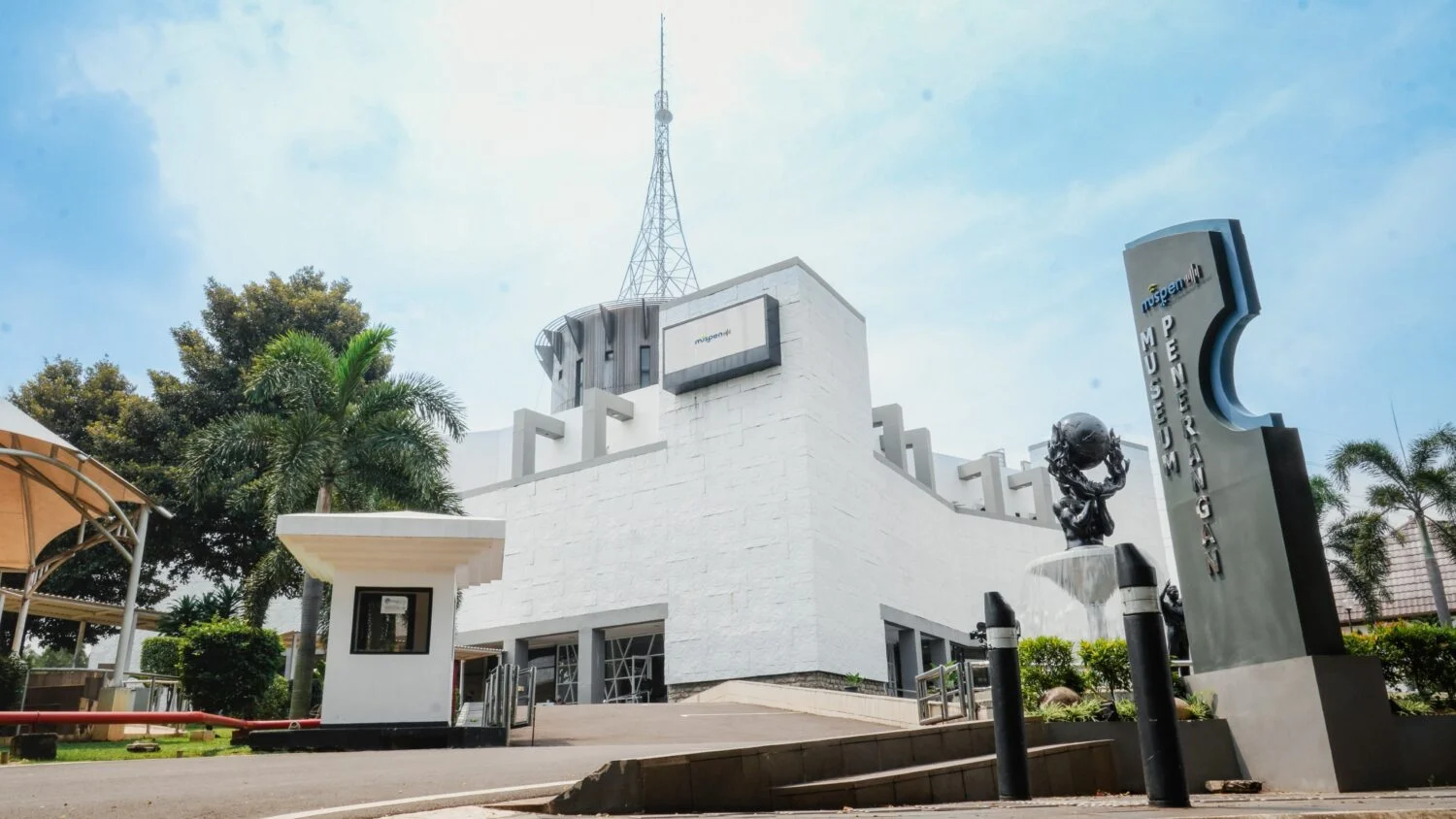
RRI.CO.ID, Jakarta – Indonesia offers a unique journey through time exploring the history of its communications via the ‘Museum Penerangan’ or Information Museum. Located within the Taman Mini Indonesia Indah (TMII) complex, this venue has become a captivating destination for international visitors.
Foreign tourists can witness firsthand the evolution of media in the Indonesian archipelago, from traditional communication methods up to the modern digital era.
The building features a highly unique, deeply philosophical architecture shaped like a five-pointed star. This structural design symbolizes Pancasila as well as the five main elements of national communication in Indonesia: public information, the press, radio, television, and film.
This cultural heritage museum stands majestically on a 10,850-square-meter site. The main building spans 3,980 square meters spread across three distinct floors, with each floor reflecting the philosophy of life in the past, present, and future.
The concept for this site originated with Tien Soeharto, the former First Lady of Indonesia. The educational complex was officially inaugurated by President Soeharto on April 20, 1993. Today, the museum is managed directly by the Ministry of Communication and Digital of the Republic of Indonesia.
Upon entering the outdoor area, visitors are greeted by the “Eternal Flame” monument. This iconic structure is surrounded by five statues of journalists and a beautiful fountain, a composition symbolizing the reciprocal relationship between the government, the public, and the mass media.
In the outdoor courtyard, various mobile broadcasting vehicles of immense historical value are neatly lined up. Among them are TVRI and RRI’s vintage outdoor broadcast vans, which were once deployed to cover major historic national events.
Stepping onto the first floor, visitors will find more than 100 authentic historical communication devices. The collection ranges from traditional ‘kentongan’ or wooden slit drums and old printing presses to vintage television cameras. There is also a rare collection of typewriters adapted for ancient Javanese script.
The management also provides modern amenities to ensure a comfortable experience for tourists. Visitors can delve deeper into media history in a cozy, well-stocked library, or enjoy historical documentaries screened inside a dedicated mini-theater.
News Recomendation
Memuat berita terbaru.....