



Private Universities Key to Indonesia’s Human Capital Development
- 15 Jun 2026 14:55 WIB
- Voice of Indonesia
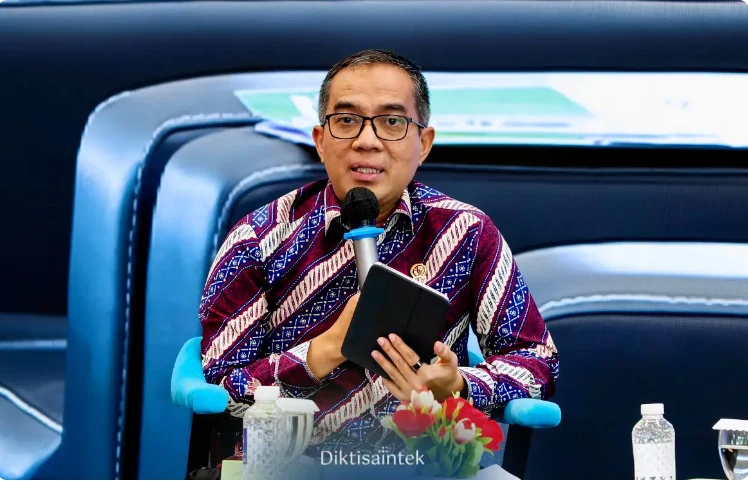
RRI.CO.ID, Jakarta - Indonesia's Ministry of Higher Education, Science, and Technology has reaffirmed the strategic role of private universities in developing the country's future workforce. The government views higher education institutions as critical partners in preparing talent needed to achieve the nation's long-term development goals, including the vision of Golden Indonesia 2045.
Minister of Higher Education, Science, and Technology, Brian Yuliarto, delivered the statement during a meeting of the Indonesian Private Higher Education Association (APTISI) at Universitas Komputer Indonesia (UNIKOM) in Bandung on Sunday, June 14 2026. The gathering brought together university leaders to discuss the future of higher education and human resource development.
He affirmed that the country's progress depends heavily on the quality of graduates produced by universities. He said Indonesia's demographic bonus presents a significant opportunity, but only if it is supported by strong investments in education and skills development.
“Our nation's progress depends greatly on human resources, and universities are the main backbone in preparing excellent talent. We are now at a critical point where the demographic bonus can become either a strength or a challenge for Indonesia,” Brian said.
The minister noted that economic challenges continue to affect access to higher education for many Indonesians. As a result, efforts to improve education quality must go hand in hand with broader economic development to ensure more young people can pursue university studies.
He also stressed the importance of collaboration in addressing national development challenges. Universities, he said, must work closely with industry, local governments, communities, and other stakeholders to generate innovations that deliver tangible benefits to society.
Brian welcomed a number of initiatives already undertaken by private universities, including environmental management programs, student entrepreneurship projects, and adaptive learning models. He said these innovations demonstrate how higher education institutions can respond to changing societal and economic needs.
The ministry pledged to continue simplifying regulations and strengthening dialogue with private universities. Officials said feedback from university leaders and APTISI members will help shape more adaptive, inclusive, and quality-oriented higher education policies in the future.
News Recomendation
Memuat berita terbaru.....