



Indonesian Street Food: 5,000 Recipes, 17,000 Islands
- 28 Sep 2026 22:01 WIB
- Voice of Indonesia
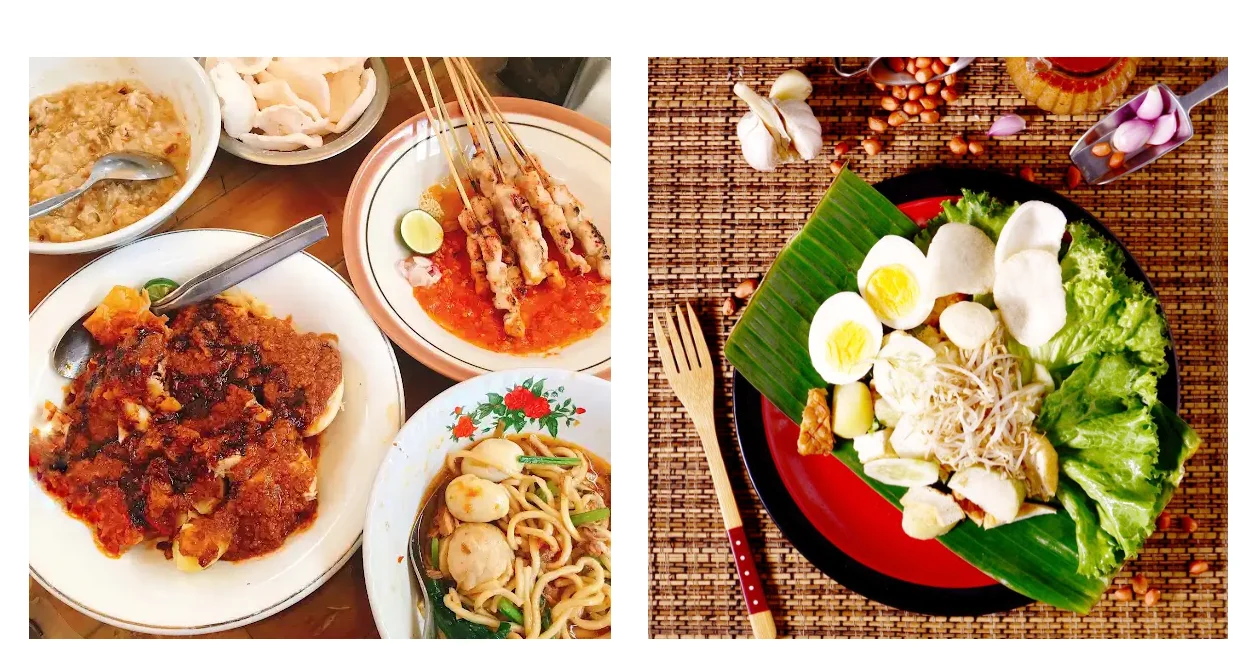
RRI.CO.ID, Jakarta - Indonesian street food reflects the country's diverse culinary traditions, local ingredients, and distinctive eating habits. Its variety comes from Indonesia's geography, biodiversity, and thousands of traditional recipes spread across the archipelago.
Indonesia has about 17,000 islands spanning around 1.905 million square kilometers, with water covering most of its territory. This maritime geography contributes to diverse food traditions shaped by coastal, inland, and mountainous environments.
Indonesia's food culture includes around 5,000 traditional recipes found across different regions. Communities living near the coast commonly use fish and seafood, while mountain communities use more meat, poultry, fruits, and vegetables.
Street food also introduces travelers to popular dishes served in everyday Indonesian life. Common examples include chicken satay with spicy sambal, noodle dishes, and various foods served with traditional peanut-based sauces.
Sambal and soto are among the most widely found culinary staples across Indonesia's regions. The country has more than 100 types of sambal and around 70 types of soto, each reflecting different local ingredients and preparation methods.
Food also plays a vital role in Indonesian cultural rituals. More than 70 traditional ceremonies across the country feature local dishes as a central element of their cultural practices.
Local ingredients and cooking techniques further shape the character of Indonesian cuisine from west to east. The combination of cultural traditions, natural resources, and regional produce creates distinct food experiences for visitors.
For international travelers, Indonesian street food provides an accessible way to explore local communities and regional flavors. Trying these dishes can also reveal how geography and cultural traditions influence what people eat across the country.
Indonesia's culinary diversity continues to connect food with cultural identity, local produce, and everyday community life. These traditions offer visitors a closer look at the stories behind Indonesian food and the regions where they developed.
News Recomendation
Memuat berita terbaru.....