



Rendang, the Global Dish With Nutritional Value Behind Its Rich Flavor
- 30 Sep 2026 14:54 WIB
- Voice of Indonesia
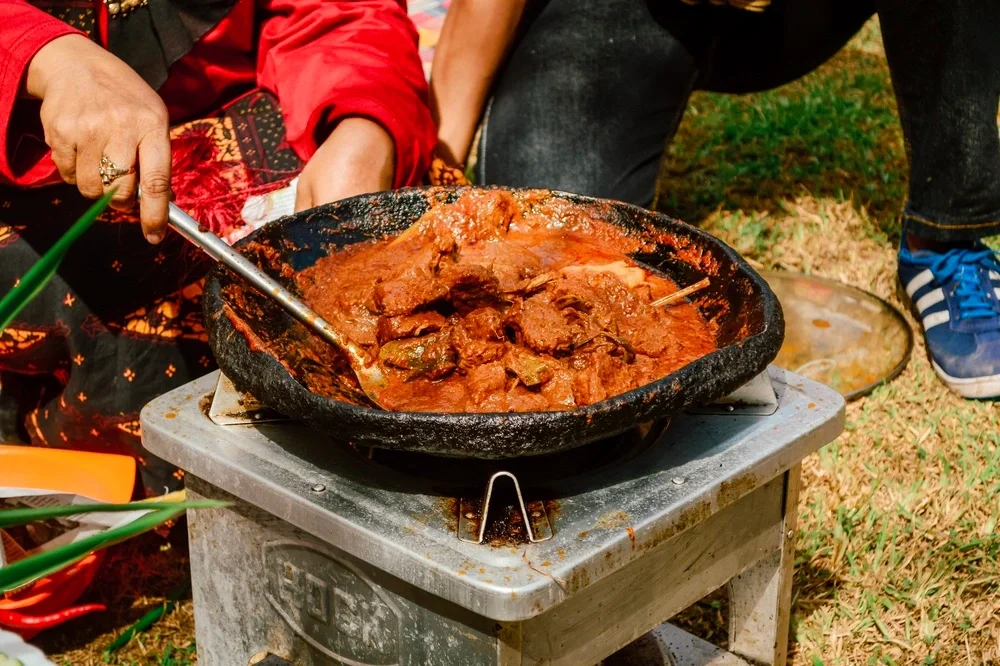
RRI.CO.ID, Jakarta - Rendang, a dish made from beef and coconut milk simmered for hours with a complex blend of spices, is widely regarded as one of the most flavorful dishes in the world. Behind its deep, savory taste lies a notable nutritional profile along with health risks when consumed without moderation.
Every 100 grams of rendang contains around 193 kilocalories, 22.6 grams of protein, 7.9 grams of fat, 7.8 grams of carbohydrates, 14.9 milligrams of iron, and 474 milligrams of calcium.
Its high quality animal protein supports muscle growth, tissue repair, and a stronger immune system. Spices such as chili and turmeric, central to its flavor, contain compounds known as capsaicin and curcumin, which act as natural antioxidants with anti inflammatory and antimicrobial properties. The long cooking process also allows the dish to stay preserved naturally without additives, making it suitable as a long lasting food source.
At the same time, the saturated fat found in coconut milk and fatty cuts of beef can raise Low-Density Lipoprotein (LDL) cholesterol levels and increase the risk of heart disease. High salt and seasoning content may also contribute to elevated blood pressure and added strain on the kidneys. Its considerable calorie density can raise the risk of weight gain and insulin resistance when eaten frequently without enough physical activity.
For people with digestive sensitivities, the chili and ginger content may trigger stomach discomfort, particularly for those with acid reflux or ulcers. Repeated reheating is another point of concern, since it can degrade vitamin content and generate oxidative compounds that are less beneficial for the body.
To reduce these risks, several dietary adjustments are increasingly recommended. Limiting portions to around 50 to 75 grams of cooked meat per serving allows people to enjoy its nutritional benefits without excess. Replacing white rice with brown rice, adding fiber rich vegetables such as spinach or broccoli, choosing leaner cuts of meat, and reducing the amount of coconut milk used are among the suggested steps.
Eating rendang in moderation, ideally once or twice a week and balanced with physical activity, allows this dish to remain both enjoyable and nutritionally sound for households worldwide. This approach reflects how a centuries old culinary tradition can continue to be embraced across generations without compromising long term health.
News Recomendation
Memuat berita terbaru.....