



Semprong Cake: Rolled Wafer Journey of Culinary Migration
- 30 Sep 2026 16:21 WIB
- Voice of Indonesia
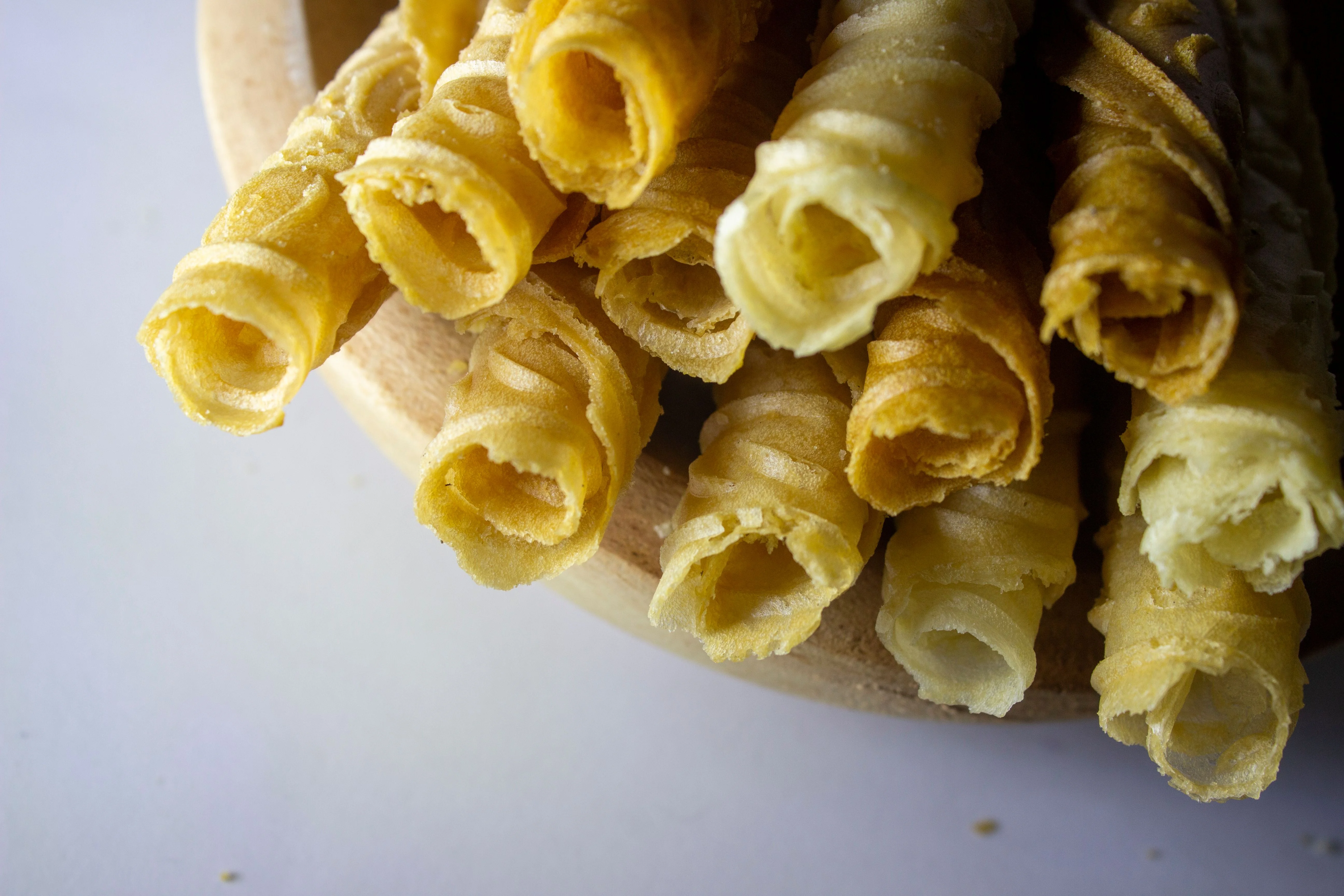
RRI.CO.ID, Jakarta - Crisp, thinly rolled snack known in parts of Southeast Asia as kue semprong offers a clear example of how cultural exchange across continents can produce a culinary tradition that endures for generations. The snack traces its roots to European style wafer rolls introduced through colonial trade routes, which were later adapted using local ingredients and flavors in Java and Sumatra.
Based on information received from Semarang State University, This pattern reflects a broader phenomenon in global food history, in which colonial foods were rarely transplanted unchanged. Instead, they were reshaped by local conditions. A wafer originally made with wheat flour and butter was transformed in a tropical setting into a snack built from rice flour, coconut milk, and spices such as cinnamon or vanilla, creating an entirely new flavor identity rooted in Asian culinary practice.
The snack's name is said to derive from the sharp popping sound produced when the thin batter is peeled from a hot iron mold, a small but telling detail that shows how manual production methods often become embedded in a food's identity. Naming foods after the sounds or actions involved in making them is a pattern found across many culinary traditions worldwide, placing this snack within a much larger and more universal linguistic phenomenon.
Traditional preparation relies on hand skills passed down across generations. Thin batter is poured onto a heated mold, cooked until golden, then rolled quickly before it hardens. This technique bears a strong structural resemblance to other thin rolled snacks found around the world, from European style wafers to crisp rolled treats in East Asia, suggesting that the basic principle of baking thin batter and rolling it while still warm emerged independently across multiple culinary traditions.
Socially, this snack has long been tied to communal celebrations such as religious holidays and traditional ceremonies. This mirrors a wider global tendency in which long lasting dry snacks become central to festive occasions, since they can be stored for extended periods and easily shared among large gatherings without last minute preparation.
Changing times have driven ongoing transformation in both flavor and production methods. Modern variations such as chocolate, cheese, and pandan now sit alongside the original version, reflecting a continuous process of adapting to shifting consumer tastes. Adding new flavor variants to traditional foods is a common pattern seen across many heritage snacks worldwide as they adjust to contemporary markets.
On the production side, the shift from manual charcoal heated molds to modern electric equipment reflects a larger transition happening across the traditional food industry globally, one that seeks to preserve authentic flavor while increasing efficiency and scale. This same challenge confronts many producers of heritage snacks in different countries as they try to compete in modern markets without losing their historical value.
Ultimately, the journey of this rolled wafer snack, from a simple hot iron mold to modern, hygienic packaging, reflects a universal cycle in the evolution of heritage foods: born from cultural encounter, sustained through tradition, and continuously adapted to remain relevant across generations and global markets alike.
News Recomendation
Memuat berita terbaru.....