



Lidah Kucing, A Thin and Crispy Cookie for Eid in Indonesia
- 18 Sep 2026 11:33 WIB
- Voice of Indonesia
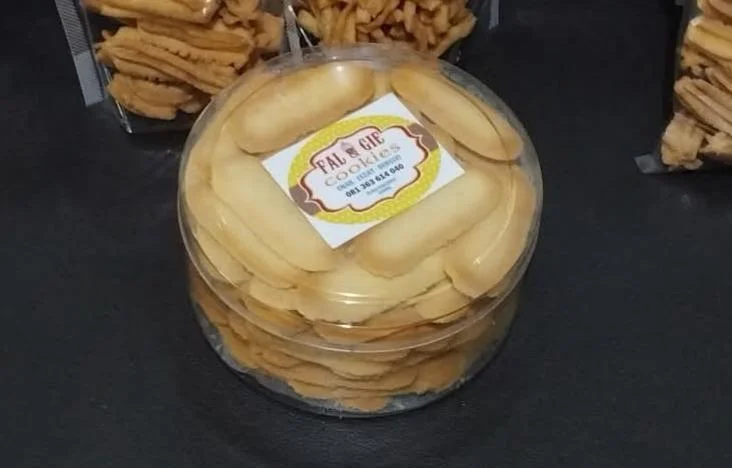
RRI.CO.ID, Jakarta - Have you ever seen a long and thin cookie on the table during Eid celebrations in Indonesia? Known as lidah kucing, it is one of the popular cookies commonly served during the holiday.
Lidah kucing is believed to have originated in the Netherlands and is known as Kattentongen, meaning “cat’s tongue.” The name refers to its long, thin, and flat shape, which resembles a cat’s tongue.
Lidah kucing has a thin and crispy texture, with a sweet and slightly savory taste. Because of its thin shape, the cookie is also light and easily breaks when bitten.
The ingredients commonly used to make lidah kucing include wheat flour, butter or margarine, sugar, egg whites, and vanilla. The batter is then baked in an oven until it becomes crisp and golden.
To achieve its distinctive shape, the batter is usually baked in a special tray with thin, elongated grooves. In French, this shape is called langue-de-chat, which also means “cat’s tongue.”
So, why is lidah kucing often served during Eid? According to Nibble.id, the tradition of serving cookies in Indonesia is linked to the introduction of European-style cookies by the Dutch during the colonial era. The tradition of exchanging food later became part of various celebrations, including Christmas and Eid al-Fitr.
Cookies also became part of cultural acculturation in Indonesia. Unlike traditional soft cakes, which have a shorter shelf life, cookies can be stored for several weeks, making them suitable for serving to guests or giving as gifts during the holiday.
Today, lidah kucing is one of the cookies commonly found on Indonesian tables during Eid, alongside nastar, kastengel, and other varieties. Its thin and crispy texture has made it a familiar part of Indonesia’s Eid food tradition.
News Recomendation
Memuat berita terbaru.....