



Getting to Know Sea Grapes, the "Green Caviar" from the Southeast Asian Ocean
- 09 Agt 2026 22:13 WIB
- Voice of Indonesia
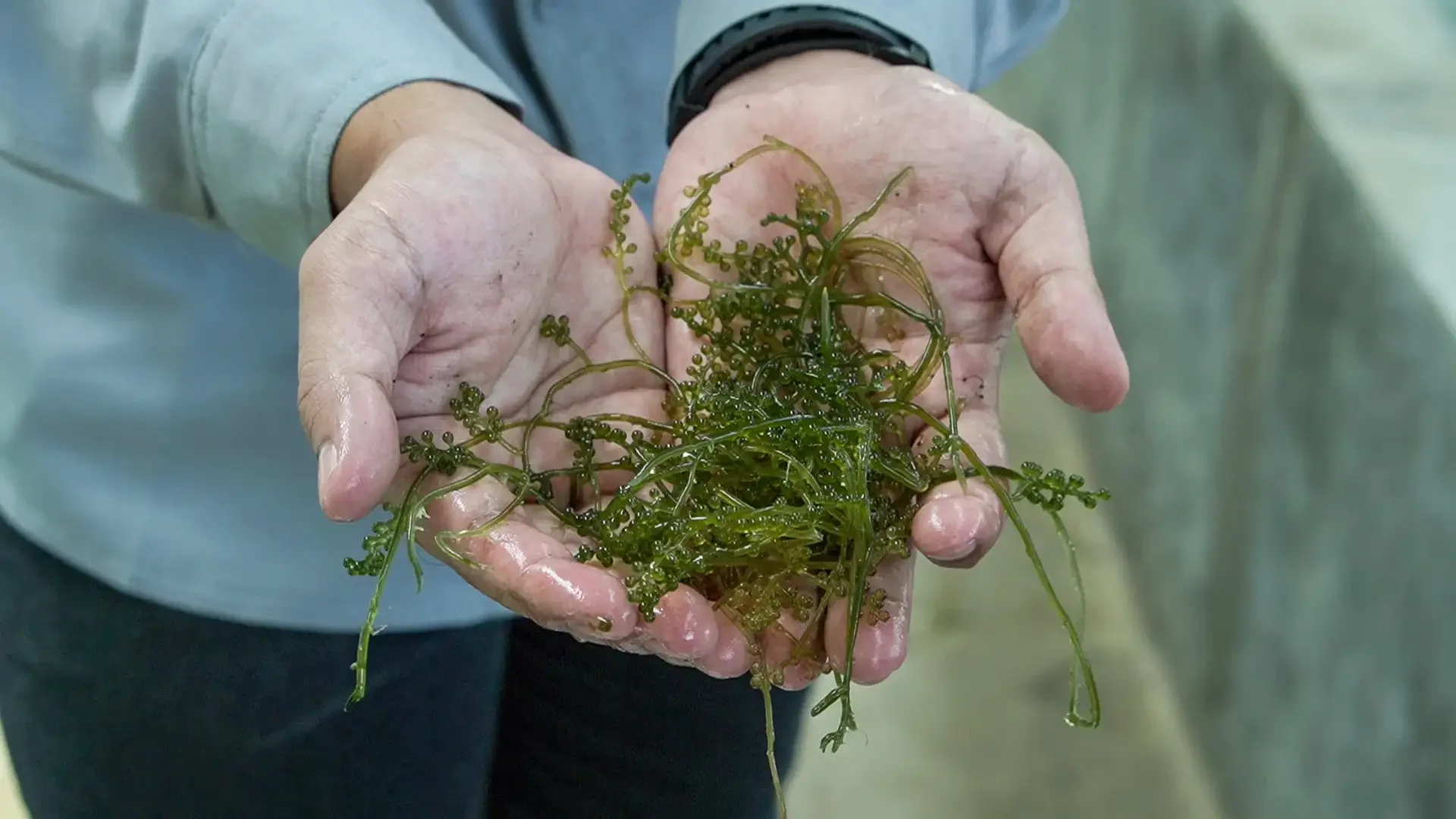
RRI.CO.ID, Jakarta - Sea grapes, known in the international market as "green caviar," are a type of seaweed from the genus Caulerpa that resemble mini-sized grapes. Their unique shape, consisting of small, hanging spheres on a stem, makes them easily recognizable and a particular attraction among seafood enthusiasts.
Naturally, sea grapes thrive in rocky coastal areas sheltered from large waves, as commonly found in Indonesian waters. This sea plant is rich in minerals and vitamins, making it a long-standing part of the diet of coastal communities in Southeast Asia.
In the market, sea grapes are considered a high-value commodity, with prices ranging from Rp50,000 to Rp150,000 per kilogram. Their selling value is influenced by their unique taste and nutritional content, although their distribution is still limited due to the lack of processing technology for long-distance shipping.
Besides being consumed directly, sea grapes are often processed into dishes such as urap or fresh coastal salads. Its crunchy texture with a "bursting" sensation in the mouth often leads to comparisons with fish roe caviar, earning it the nickname "green caviar."
From the cultivation perspective, sea grapes can be developed in controlled systems such as ponds or artificial pools, not just in their natural habitat. This method opens up opportunities for larger-scale production to meet the demand of both the domestic and export markets.
In addition to its economic value, sea grapes also play an important ecological role because they can absorb excess nutrients in the waters, including organic waste from other marine biota. This characteristic makes sea grapes potentially suitable for development in more environmentally friendly marine cultivation systems.
With a combination of nutritional value, economic potential, and ecological benefits, sea grapes have now become one of the promising marine commodities to continue developing. The sustainability of its utilization will depend on the balance between market exploitation and the preservation of the coastal ecosystems where it grows.
News Recomendation
Memuat berita terbaru.....