



Climate Risks Threaten Indonesia’s Food Supply Chain in 2027
- 30 Sep 2026 14:41 WIB
- Voice of Indonesia
Poin Utama
- El Niño could disrupt Indonesia’s food supply and put pressure on food prices in 2027.
- Global tariffs, oil prices, and AI add pressure to Indonesia’s economic outlook.
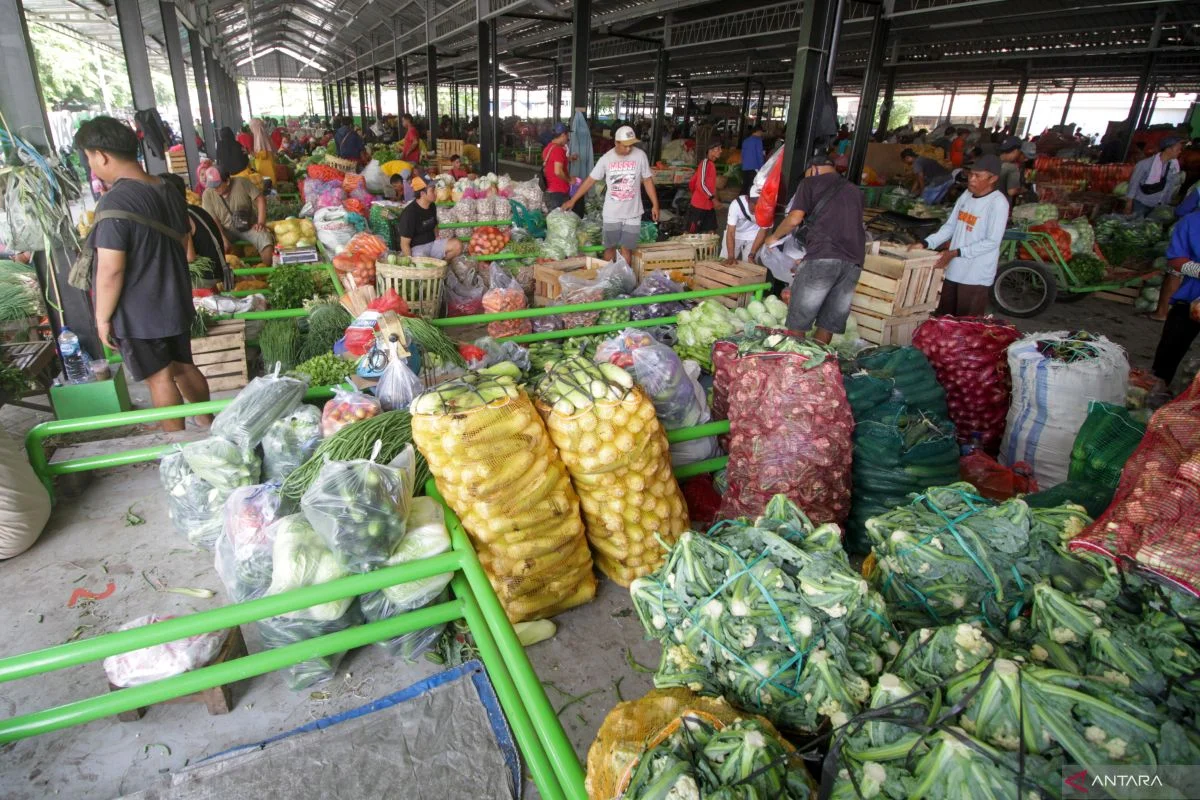
RRI.CO.ID, Jakarta – The risk of El Niño could once again put pressure on Indonesia’s food supply chain in 2027. The government is being urged to strengthen mitigation measures to ensure disruptions to production and distribution do not trigger higher food prices.
National Economic Council (DEN) Deputy Chair Mari Elka Pangestu said climate change has become one of the key risks that policymakers must factor into economic planning amid persistent global economic uncertainty.
Speaking after the Kontan Economic & Demographic Forum in Jakarta on Tuesday, Sept. 30, Mari said El Niño is expected to persist through the end of 2026, with its effects potentially carrying over into next year before weather patterns shift toward La Niña.
According to her, El Niño could trigger droughts that affect food production and transportation activities. Weather-related disruptions could also hamper the distribution of commodities, making preventive measures necessary to prevent supply shortages and price pressures.
“We must be particularly aware of the food sector because food availability and food prices require close attention,” Mari said, as quoted by Antara.
She added that the challenges would not end with El Niño. The transition to La Niña must also be anticipated, as heavier rainfall could increase the risk of flooding and again disrupt the production and distribution of goods.
As a result, she said, the government needs comprehensive mitigation measures to safeguard food production, maintain smooth distribution and strengthen preparedness for potential natural disasters.
Beyond climate-related threats, Indonesia’s economy is expected to continue facing external pressures heading into 2027. Uncertainty over US tariff policies, slowing global economic growth, and elevated oil prices remain among the key risks to the domestic economy.
Mari estimated that oil prices would remain high through 2027 amid ongoing geopolitical conflicts in several regions.
In addition, rapid developments in technology and artificial intelligence (AI) are among the challenges that Indonesia will need to address both this year and next. ***
News Recomendation
Memuat berita terbaru.....