



Indonesia Promotes Fermentation Heritage Through Creative Economy
- 25 Sep 2026 01:30 WIB
- Voice of Indonesia
Poin Utama
- Indonesia is promoting traditional fermented products through new creative-economy collaborations and market opportunities.
- Tempeh, tapai, oncom, and soy sauce carry cultural value and global business potential.
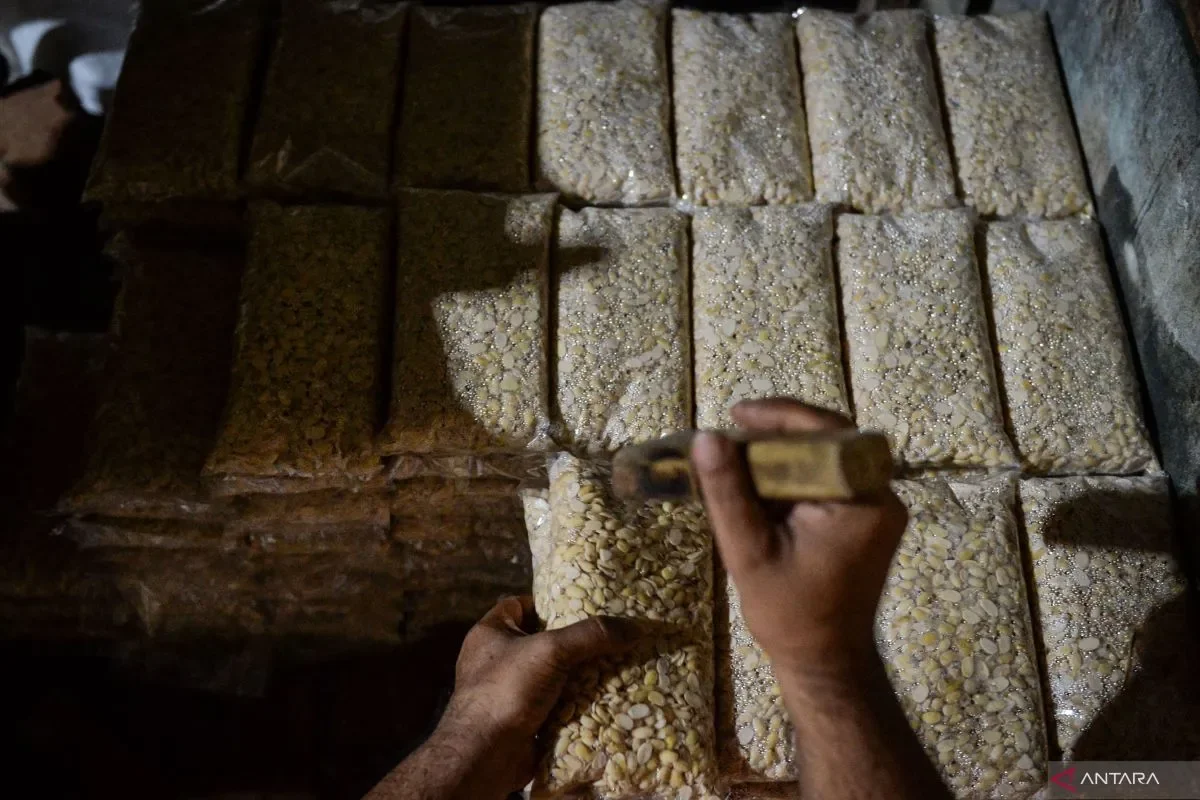
RRI.CO.ID, Jakarta – The Ministry of Creative Economy is strengthening collaboration with Forum Fermentasi Nusantara (Fermenusa) to develop Indonesia’s traditional fermentation ecosystem and expand its role within the creative economy.
Deputy Minister of Creative Economy, Irene Umar, said the Ministry is opening opportunities for long-term collaboration with Fermenusa, including ecosystem development, culinary experiences, product showcases, and market access.
“We are inviting Fermenusa to participate in the Creative Session at the World Conference on Creative Economy (WCCE) 2026. In this way, the experiential aspects of Fermenusa can be introduced to creative economy networks, both nationally and internationally,” Irene said during a meeting at the Ministry’s office in Jakarta on Tuesday, Sept. 22, 2026, as quoted on the Ministry’s official website.
She said the Ministry aims to build long-term collaboration between local knowledge, creativity, and industry needs so traditional fermentation-based culinary products can be developed more systematically.
“This discussion explores how Fermenusa can convey its needs and potential, while the Ministry can continue to understand which areas fall within the realm of creativity so that they can be linked to industrial development. We want to build a long-term collaboration, not just for a single event, but to create a sustainable fermentation ecosystem that adds value to the creative economy,” Irene said.
Fermenusa Secretary Harry Nazarrudin described the Ministry as a strategic partner with the platforms, creative networks, market access, and international reach needed to elevate local fermented products such as tempeh, tapai, oncom, and soy sauce into globally competitive commodities.
“We see opportunities for collaboration because the Ministry has platforms, creative networks, market access, and even international access. We hope this collaboration can elevate Indonesian fermentation as a cultural and economic asset,” Harry said.
During the meeting, Fermenusa highlighted the diversity of Indonesian fermentation traditions, which vary in microorganisms, raw materials, flavors, and processing techniques across regions. This diversity is reflected in products such as tempeh, tapai, oncom, soy sauce, and a wide range of other fermented foods and beverages.
Fermenusa said this diversity can be developed into knowledge, culinary experiences, creative products, and tools for Indonesia’s promotion and diplomacy. Fermentation also has links to research and technology, culinary culture, local wisdom, geographical indications, industry, investment, and global promotion.
The Ministry and Fermenusa also discussed opportunities for collaboration in strengthening knowledge, developing experiences and product showcases, expanding market networks, and preserving traditional fermented products as cultural heritage.
Fermenusa is also developing the Indonesian Fermentation Forum (IFF) as a platform that brings together academics, industry, government, the media, and communities. ***
News Recomendation
Memuat berita terbaru.....