



Indonesia Issues New Regulation to Ensure Halal Compliance of Imports
- 05 Sep 2026 17:37 WIB
- Voice of Indonesia
Poin Utama
- BPJPH Head Ahmad Haikal Hasan announced Regulation No. 4/2026 to govern foreign halal product verification.
- The regulation prepares Indonesian markets for the mandatory halal certification deadline in October 2026.
- BPJPH urged foreign inspection bodies and importers to align with the new compliance framework.
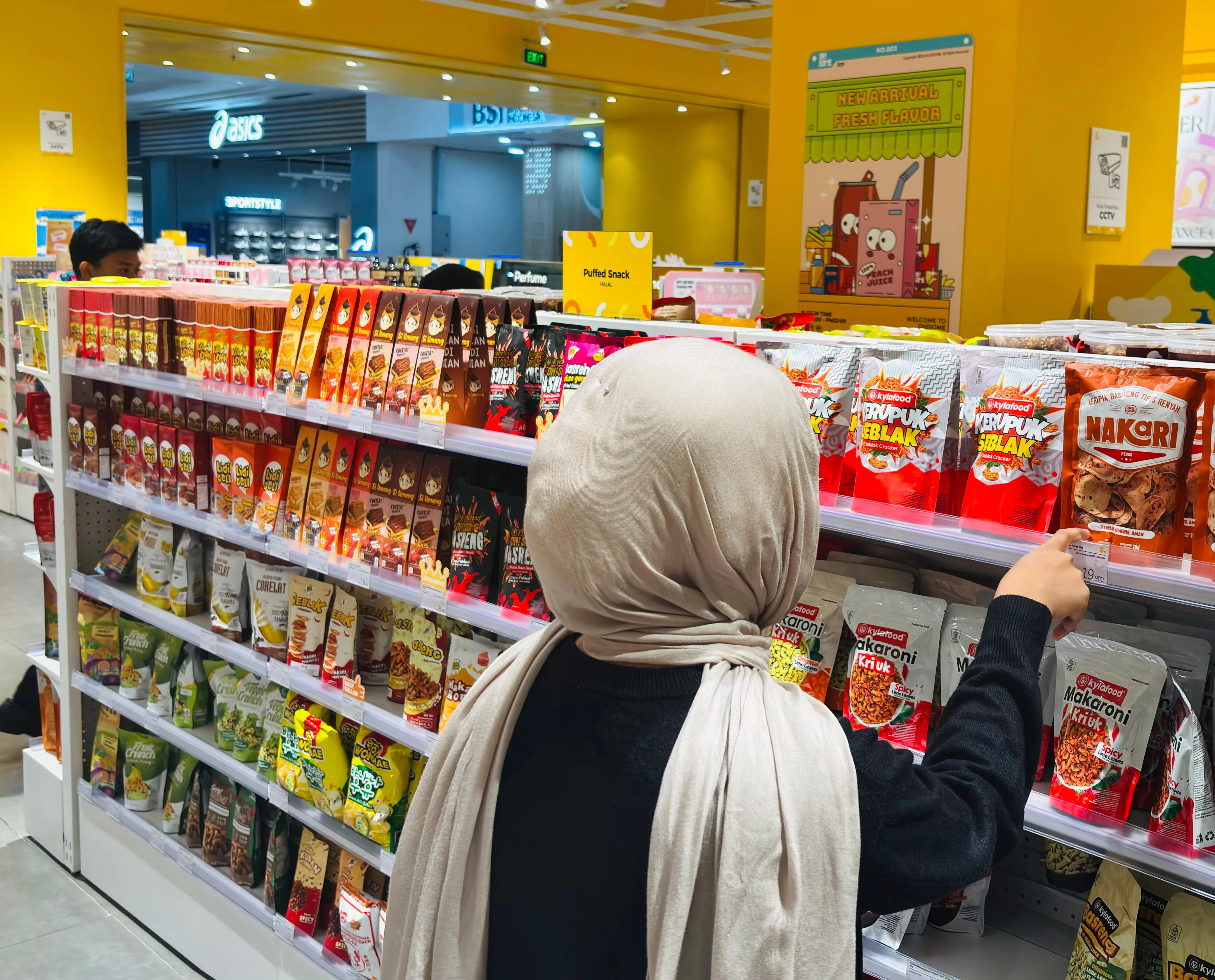
RRI.CO.ID, Jakarta - Indonesia is strengthening its halal assurance system with the introduction of Regulation No. 4/2026 by the Halal Product Assurance Agency (BPJPH), which sets clear procedures for verifying the halal status of foreign products entering the country.
The move reflects Indonesia’s effort to balance consumer protection with business certainty as the October 2026 mandatory halal certification deadline approaches.
"This serves as a guideline for ensuring that foreign halal products entering, circulating, and being traded in Indonesia meet the required standards," BPJPH Head Ahmad Haikal Hasan said in Jakarta on Saturday, September 5, 2026, as quoted by Antara.
Haikal emphasized that regulating imported halal products is essential to provide both halal certainty and business clarity. “We want to ensure that the obligation of Halal Product Assurance (JPH) for imported goods has clear rules. This is important to protect consumers while also giving certainty to businesses,” he explained.
He noted that halal assurance is part of JPH implementation based on principles of protection, legal certainty, accountability, transparency, efficiency, and professionalism, as mandated by Law No. 33/2014.
The regulation aims to guarantee comfort, safety, and availability of halal products for the public while enhancing value for businesses.
“The substance is certainty. Society gains protection in choosing products, while businesses gain clarity in fulfilling halal assurance requirements. This regulation is expected to benefit consumers while creating certainty and added value for enterprises,” Haikal said.
He further stressed that when foreign products enter Indonesia, citizens have the right to clear halal status, while businesses require transparent rules to comply.
“The principle is to provide certainty without creating unnecessary processes. Therefore, the verification mechanism is structured and supported by an integrated electronic system,” he added.
The regulation also aligns with the phased implementation of mandatory halal certification, including for imported goods, beginning in October 2026.
Haikal urged importers and inspection bodies to understand and prepare for compliance to ensure effective implementation. “Ultimately, halal certainty also adds value to products and supports the growth of the halal economic ecosystem,” he concluded. ***
News Recomendation
Memuat berita terbaru.....