



WWF Sees Domestic Palm Oil Market Driving Sustainability Push
- 28 Agt 2026 22:31 WIB
- Voice of Indonesia
Poin Utama
- WWF says Indonesia’s vast domestic palm oil demand can drive adoption of sustainable practices across supply chains.
- Consumption hit 12.99 million tons in Jan–Jun 2026, with biodiesel as the largest user, reflecting strong local market leverage.
- Challenges include weak traceability, low smallholder productivity, and limited financing, making transparency vital for transformation.
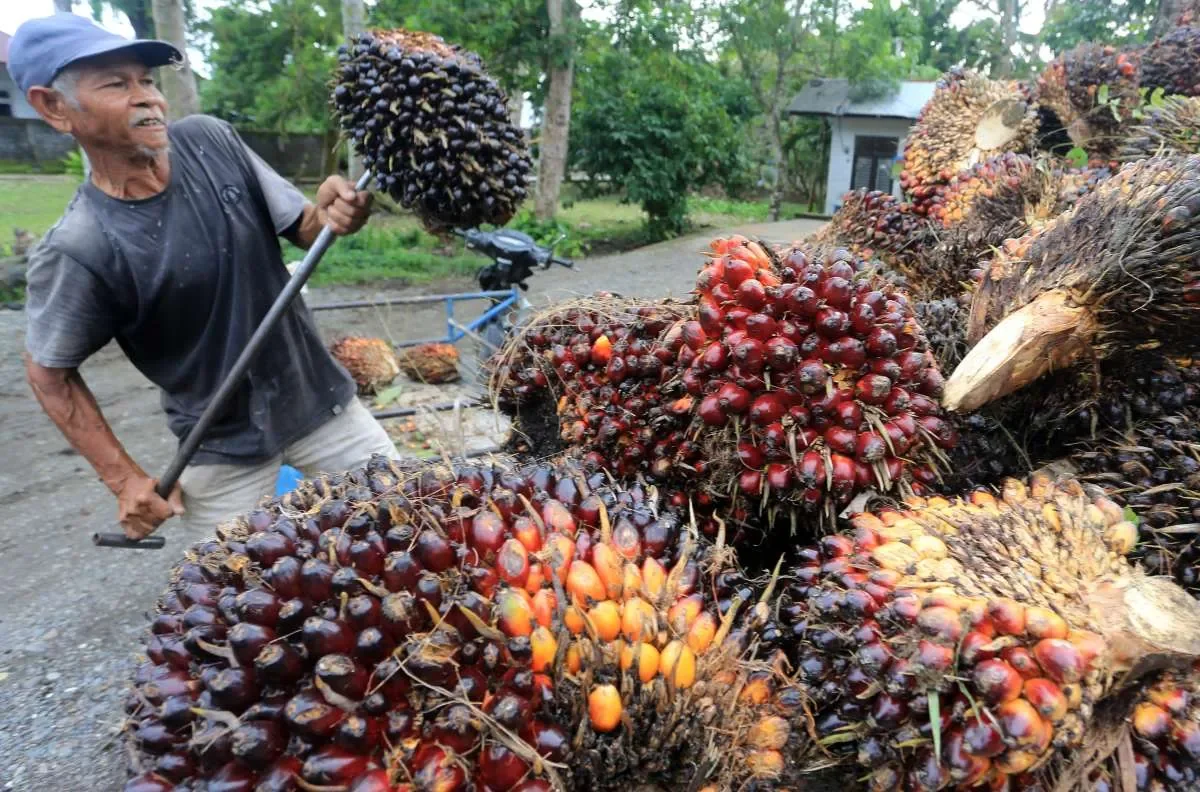
RRI.CO.ID, Jakarta – Indonesia’s vast domestic demand for palm oil is emerging as a powerful lever to accelerate adoption of sustainable practices, according to the World Wildlife Fund (WWF) Indonesia.
WWF Indonesia argues that the size of the local palm oil market can help boost demand for sustainable products, complementing efforts to strengthen producers upstream and expand global markets.
Sustainable Commodities Lead Angga Prathama Putra said domestic market development is a key pillar of WWF’s market transformation strategy. “The domestic market also matters,” he noted during the Regional Learning Forum on Sustainable Commodities in Jakarta on Friday, August 28, 2026, as quoted by Antara.
Data presented by WWF shows Indonesia is both the world’s largest producer and consumer of palm oil. Consumption reached 12.99 million tons in January–June 2026, up 5.48 percent from the same period in 2025. In June alone, biodiesel accounted for 1.13 million tons, followed by food at 878,000 tons and oleochemicals at 192,000 tons.
The role of domestic demand has grown further with the mandatory B50 biodiesel program launched on July 1, 2026, which the Energy Ministry says strengthens energy security while absorbing more crude palm oil.
WWF’s strategy also targets India, China, and Japan as key external markets, while reinforcing supply‑side readiness among producers and smallholders. A joint study with Accenture in May 2026 highlighted opportunities for retailers and commodity users to integrate sustainability into supply chains.
Challenges remain, including incomplete land registration, low productivity among smallholders, limited financing, weak traceability, and underdeveloped digital systems. “Supply chain transparency is the key to market transformation,” Angga emphasized.
WWF’s framework includes credible certification, incentives for smallholders, conservation financing, and stronger domestic market development.
Collaboration with the Coordinating Ministry for Food in April 2026 underscored the need for inclusive, transparent governance to maintain competitiveness while ensuring farmer welfare and national food security. ***
News Recomendation
Memuat berita terbaru.....