



Indonesia Advances Low-Emission Industries Toward Net Zero
- 27 Agt 2026 15:26 WIB
- Voice of Indonesia
Poin Utama
- Indonesian government is accelerating low‑emission industry and transport development to sustain economic growth while supporting the NZE 2060 target.
- Government is strengthening energy security by expanding domestic resource use and reducing reliance on imports.
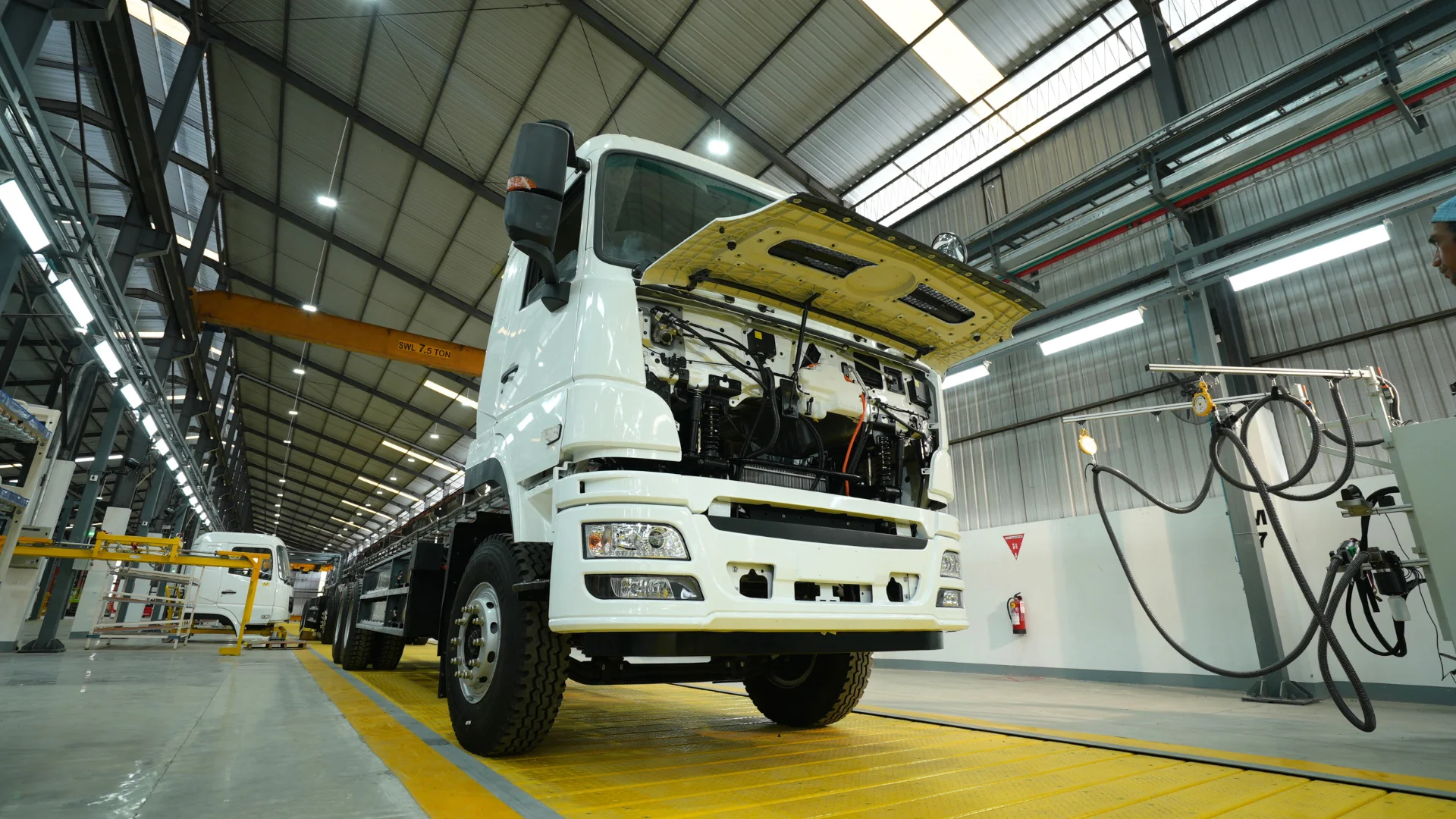
RRI.CO.ID, Jakarta - The Indonesian government is accelerating the development of low‑emission industries and transportation to sustain economic growth while advancing the national Net Zero Emissions (NZE) target for 2060.
Coordinating Minister for Economic Affairs Airlangga Hartarto said the energy transition must progress alongside efforts to strengthen energy security and create new sources of growth. He noted that Indonesia’s economic performance remains strong amid this transition.
“Economic growth in the first half of the year reached 5.45 percent. Indonesia ranks among the top three compared with ASEAN and G20 countries, and we can achieve high growth with low inflation,” Minister Airlangga said at The Big Idea Forum (TBIF) - Indonesia Zero Emission Heavy‑Duty Vehicle Summit 2026 in Jakarta on Wednesday, August 27, 2026, as quoted on the Ministry’s official website.
The government is strengthening energy security by increasing the use of domestic resources and reducing reliance on imports. Implementing Biodiesel 50 (B50) is among the policies aimed at stabilizing energy prices and containing inflationary pressures.
Investment and industrialization remain key drivers of economic growth. Data from the Investment Coordinating Board (BKPM) shows that investment in the first half of 2026 grew by around 7.2 percent, driven primarily by the manufacturing sector and its supply chain.
Rising demand for electricity and gas, along with expansion in the digital sector -- including data centers -- indicates continued investment activity.
At the same time, the government is promoting renewable energy and increasing domestic solar panel production capacity to support the needs of the green industry.
In the transportation sector, the government is developing a range of low‑emission technologies tailored to each mode of transport. B50, electric vehicles (EVs), biofuels, and hydrogen technology form part of the strategy to reduce emissions.
Hybrid vehicles are also serving as a transitional technology before wider adoption of battery‑powered EVs. Minister Airlangga said hybrid vehicle growth in the first half of 2026 reached about 40 percent compared with the same period last year.
He added that the public increasingly views EVs as a cost‑saving option, especially as unsubsidized fuel prices fluctuate. “So, (40 percent) is a very good figure, which means the public is already aware of the benefits of using electric power,” he said.
The government is also strengthening the automotive ecosystem through domestic development of vehicle, battery, and component production.
This policy aims to bolster the National Car and National Electric Motorcycle ecosystems while increasing domestic content and value added. The industrial sector contributes around 18–19 percent to the national economy, with the automotive sector having a significant multiplier effect.
To maintain a favorable investment climate, the government has established a “debottlenecking” task force to resolve investment barriers. A survey by the Japan External Trade Organization (JETRO) shows that about 70 percent of surveyed businesses see opportunities to profit from operations in Indonesia. ***
News Recomendation
Memuat berita terbaru.....