



Trade Deals Offer Indonesia Chance to Expand Halal Product Exports
- 25 Agt 2026 15:11 WIB
- Voice of Indonesia
Poin Utama
- Trade deals could help Indonesia strengthen its domestic halal industry and expand exports into the global halal supply chain.
- Experts urge stronger halal certification, research and MSME support to help Indonesia capture the growing global Muslim market.
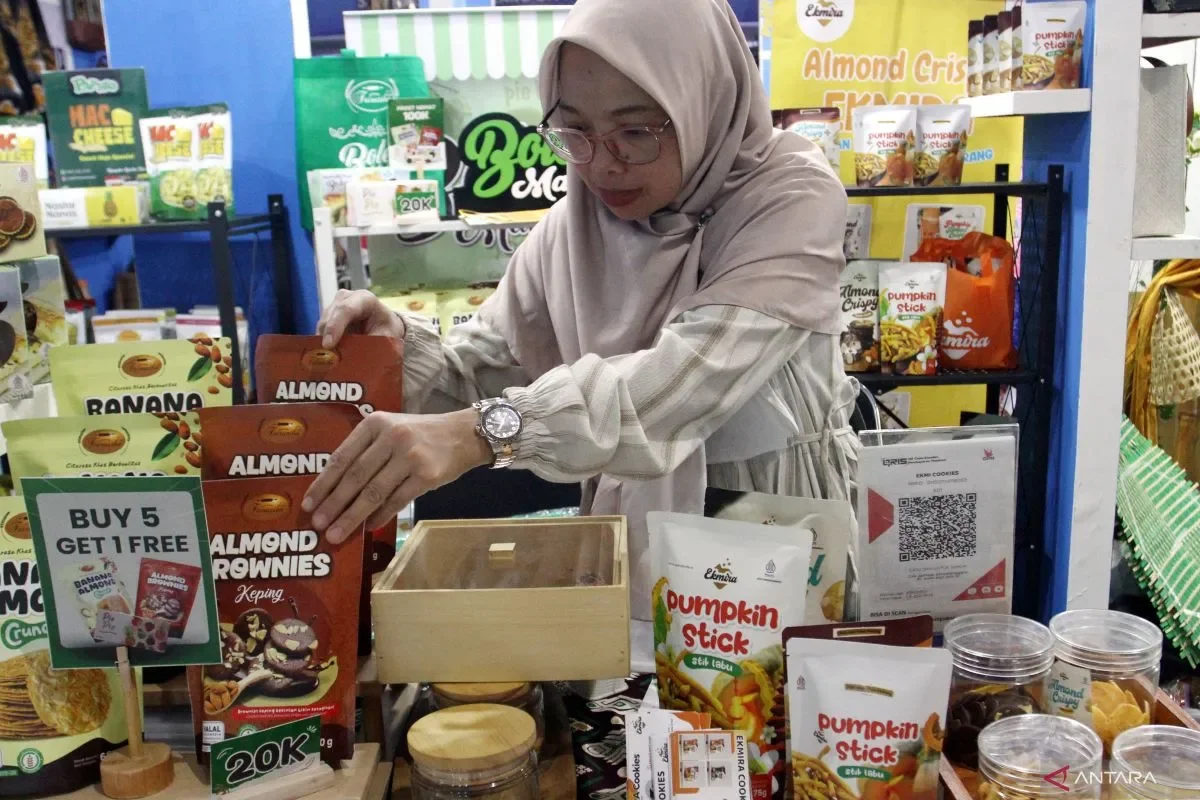
RRI.CO.ID, Jakarta - Indonesia’s growing network of trade agreements is being viewed not only as a way to expand exports but also as a strategic opportunity to strengthen domestic industry and elevate halal products onto the global stage, according to Indef researcher Abdul Hakam Naja.
Speaking at a public discussion on Halal Industry: The Future of Indonesia’s Industry and Economy, Hakam stressed that Indonesia must leverage these agreements by enhancing industrial capacity and certification standards.
This, he said, would allow the country to play a larger role in the global halal supply chain rather than remaining primarily a consumer market.
“If there is a deficit, that is where we should see opportunity. We need to seize it by reinforcing domestic industry so Indonesia becomes not just a market, but also a producer and exporter of halal products,” Hakam noted in Jakarta on Tuesday, August 25, 2026, as quoted by Antara.
He pointed to Indonesia’s trade cooperation with the United States in 2026 as an example of potential openings for exports of cosmetics, medical devices, manufacturing goods, and other products.
Global demand for halal goods, driven by demographic shifts and a growing Muslim population--estimated at 2.1 billion in 2024 and projected to rise further--represents a vast economic market.
Hakam cited Malaysia as a model, highlighting how foreign direct investment (FDI) and trade diplomacy have helped the country establish itself as a halal manufacturing hub. Agreements such as the Malaysia-UAE CEPA and trade deals with the U.S. have expanded markets for halal food and pharmaceuticals.
“Large inflows of foreign direct investment have strengthened Malaysia’s position as a halal manufacturing base,” he said.
To capture similar opportunities, Hakam emphasized the need to accelerate halal certification and involve universities in education, research, SME mentoring, and ecosystem development.
“Our halal certification numbers remain relatively low. Universities have a vital role in promoting literacy, research, and industry development so Indonesia can seize the global market,” he concluded. ***
News Recomendation
Memuat berita terbaru.....