



Indonesian TAF Industry Records USD 4.85 Billion Exports in First Half of 2026
- 18 Agt 2026 20:05 WIB
- Voice of Indonesia
Poin Utama
- The Indonesian textile, apparel, and footwear (TAF) industry continues to show resilience amid global pressures.
- This shows that the TAF sector still has significant room for growth.
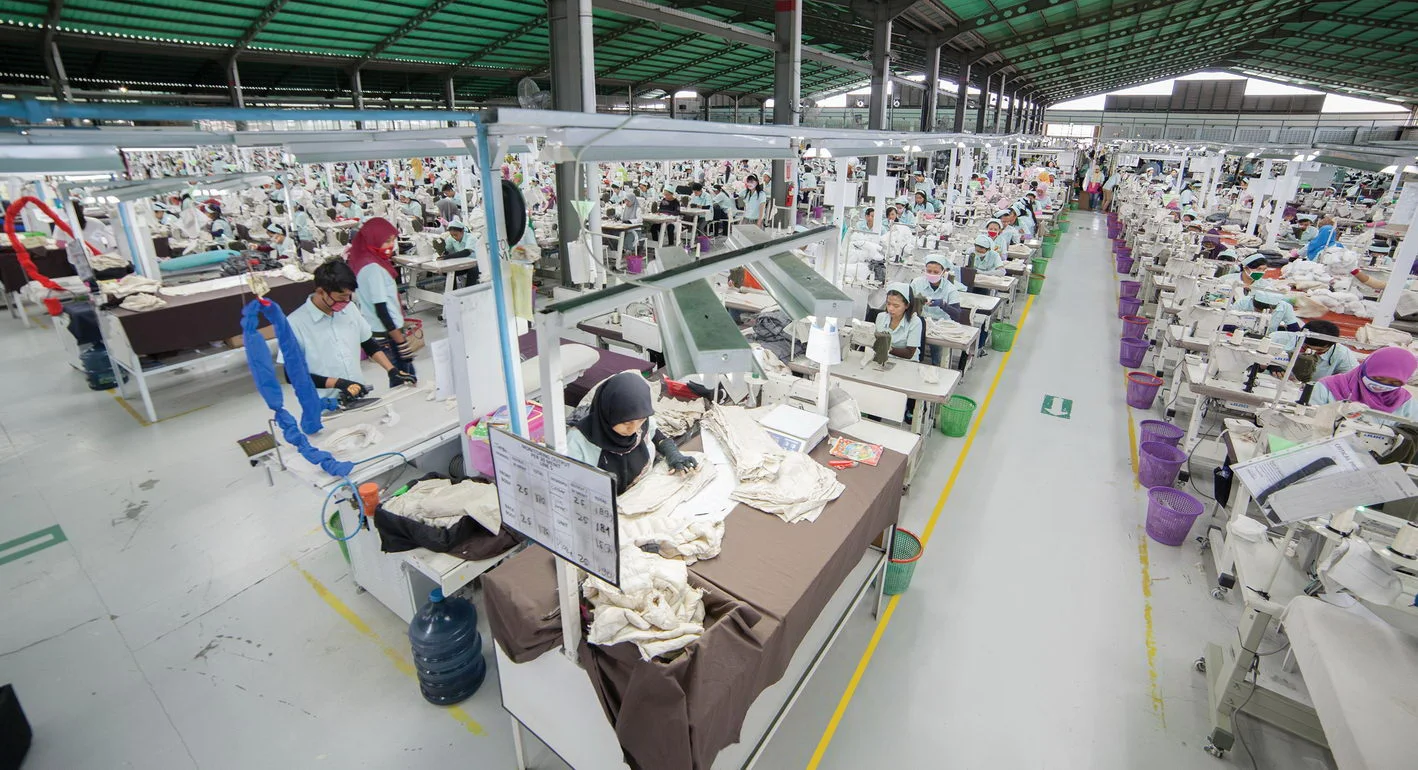
RRI.CO.ID, Jakarta - Indonesia’s textile, apparel, and footwear (TAF) industry continues to demonstrate resilience amid global pressures, maintaining its position as one of the country’s most labor‑intensive and export‑oriented sectors.
The industry employs more than 3.8 million workers nationwide and remains a major contributor to national manufacturing performance.
During the first half of 2026, the TAF industry recorded exports worth USD 4.85 billion, reflecting its significant role in supporting Indonesia’s external trade.
Industry confidence also remains strong. The Industrial Confidence Index (ICI) in July stood at 53.10, indicating that business optimism remains in the expansion zone.
Industry Minister Agus Gumiwang Kartasasmita said the latest developments show that the TAF industry continues to hold growth potential despite pressures faced by several companies.
“Although some companies are facing pressures, at the same time, there are also new investments and business expansions. This shows that the TAF sector still has significant room for growth,” he said in a written statement in Jakarta on Tuesday, August 18, as quoted on the Ministry’s official website.
Minister Agus emphasized that rising investment and improving employment must be supported by stronger industrial foundations.
The government is implementing several policies, including investment incentives, restructuring programs, Labor‑Intensive Industry Credit (KIPK), export financing through the Indonesian Export Financing Agency (LPEI/Indonesia Eximbank), and the strengthening of trade protection policies.
The government is also accelerating the “Making Indonesia 4.0” roadmap and implementing Green Industry Standards to boost productivity and enhance competitiveness.
Transforming production processes, he said, is essential for competing in international markets. This includes modernizing machinery, adopting new technologies, improving human resource competencies, and applying green industry principles.
“The world today does not just buy products; it also looks at how those products are produced. Therefore, sustainability is no longer a burden but rather a competitive advantage in the global marketplace,” Minister Agus said.
Opportunities for market expansion are also opening through the implementation of the Indonesia–European Union Comprehensive Economic Partnership Agreement (IEU‑CEPA). To seize these opportunities, the TAF industry must strengthen quality, efficiency, innovation, and compliance with international standards.
The Ministry of Industry will continue strengthening collaboration with business actors, associations, local administrations, and relevant ministries and agencies. These measures are expected to encourage investment, expand production capacity, increase exports, and support employment growth.
“Let’s build an Indonesian TAF industry that can withstand change and grow to be more productive, innovative, and sustainable,” Minister Agus concluded. ***
News Recomendation
Memuat berita terbaru.....