



Indonesia’s Textile Industry Shows Signs of Recovery
- 18 Agt 2026 13:50 WIB
- Voice of Indonesia
RRI.CO.ID, Jakarta - Indonesia’s textile and textile products (TPT) industry remains an important sector of the national economy. As a labor-intensive industry, the sector employs more than 3.8 million workers and recorded exports of approximately USD 4.85 billion in the first half of 2026. Despite various challenges facing textile industry players, the sector has also shown positive developments through a recovery in industrial activity.
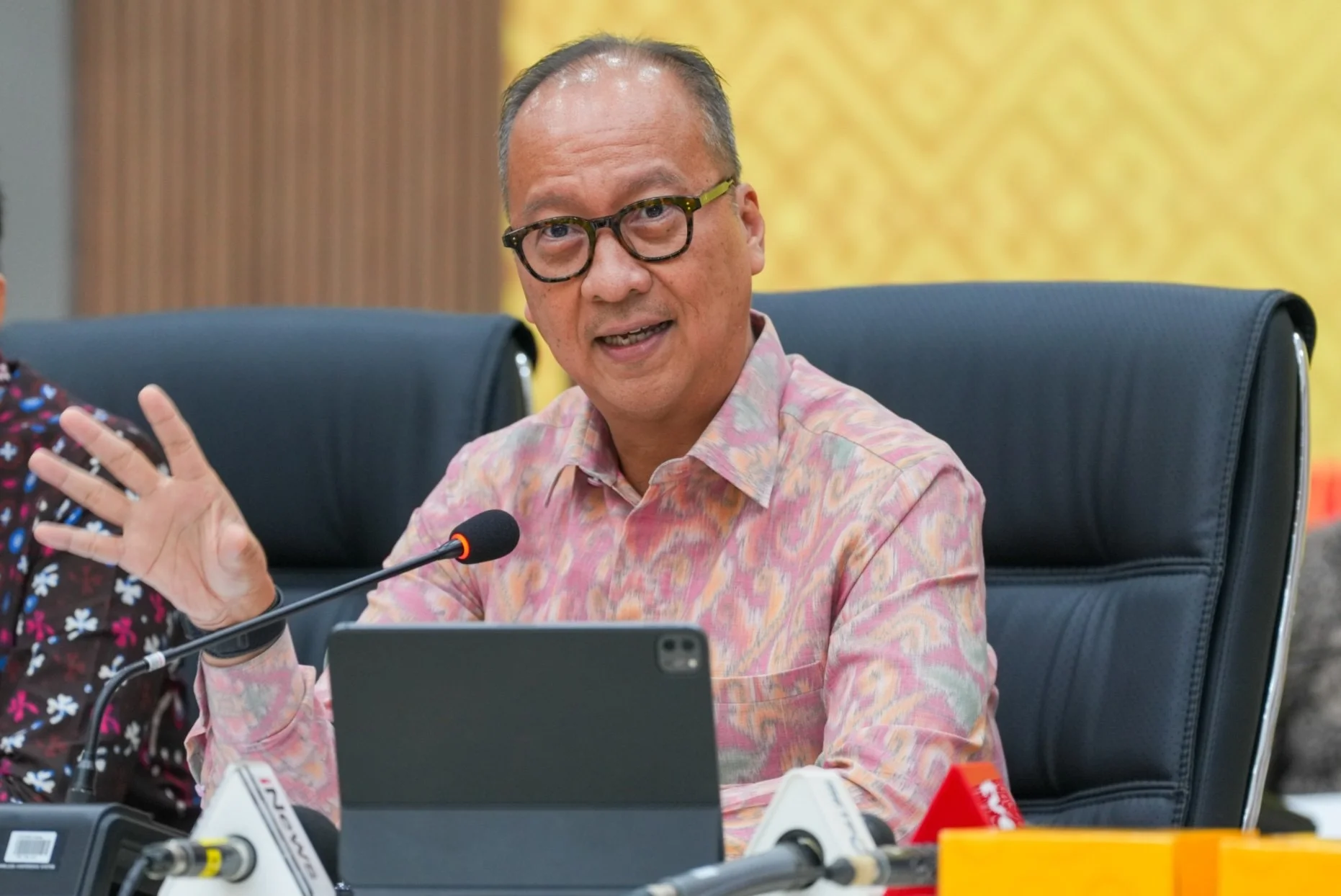
“The textile and apparel industry plays a highly strategic role as it employs more than 3.8 million workers. While some companies are facing pressure, there are also new investments and business expansions. This shows that the textile sector still has significant room for growth,” Minister of Industry, Agus Gumiwang Kartasasmita, said in a statement in Jakarta on Tuesday, August 18, 2026.
According to the Minister, the growth in investment and recovery in employment need to be accompanied by stronger industrial foundations. Therefore, the government continues to implement various policies, including investment incentives, restructuring programs, labor-intensive industry credit (KIPK), export financing from the Indonesia Eximbank (LPEI), stronger trade safeguard policies, accelerated implementation of Making Indonesia 4.0, and the adoption of Green Industry Standards.
The textile and apparel industry recorded exports worth USD 4.85 billion in the first half of 2026, reflecting its significant contribution to the national economy. With more than 3.8 million workers, the textile and apparel industry is also one of Indonesia’s largest sources of employment.
Improved performance needs to go hand in hand with transformation in production processes. Machinery modernization, technology adoption, workforce development, and the implementation of green industry principles are essential to ensuring that Indonesian manufacturers can meet global market demands.
“Today, the world is not only buying products; it is also looking at how those products are made. Sustainability should therefore no longer be seen as a burden, but as a competitive advantage in the global market,” he said.
Opportunities to expand markets are also growing through the implementation of the Indonesia-European Union Comprehensive Economic Partnership Agreement (IEU-CEPA). To compete globally, textile industry players need to improve quality, efficiency, innovation, and their ability to meet international standards.
In addition, the Ministry of Industry will continue working with businesses, industry associations, local governments, and relevant ministries and agencies to strengthen Indonesia’s textile industry. These efforts are aimed at ensuring that incoming investment translates into increased production capacity, exports, and employment, while strengthening Indonesia’s position in global industrial supply chains.
“The government supports textile and textile product manufacturers in improving their competitiveness and succeeding in global competition. Together, we can build an Indonesian textile industry that can withstand change while becoming more productive, innovative, and sustainable,” the Minister said.
As Indonesia celebrates its 81st Independence Anniversary, the textile industry continues to grow and maintain its contribution to the national economy. Looking ahead, the sector has opportunities to play a greater role in sustaining the momentum of Indonesia’s industrial recovery.
This is also in line with the July 2026 Industrial Confidence Index (IKI), which remained in the expansion zone at 53.10. The figure indicates that business confidence among industry players remains strong. For the labor-intensive textile sector, this provides a foundation for maintaining production while strengthening its contribution to the national economy.
News Recomendation
Memuat berita terbaru.....