



Indonesia Targets Higher Occupancy in Industrial Estates
- 30 Jul 2026 21:29 WIB
- Voice of Indonesia
Poin Utama
- Minister Agus Gumiwang Kartasasmita revealed IDR 6,800 trillion has been invested in Indonesia’s industrial estates, employing 2.36 million people.
- Industrial estates urged to transform into integrated ecosystems that facilitate investment, serve as supply chain hubs, promote innovation, develop human resources, and support the transition to green industry.
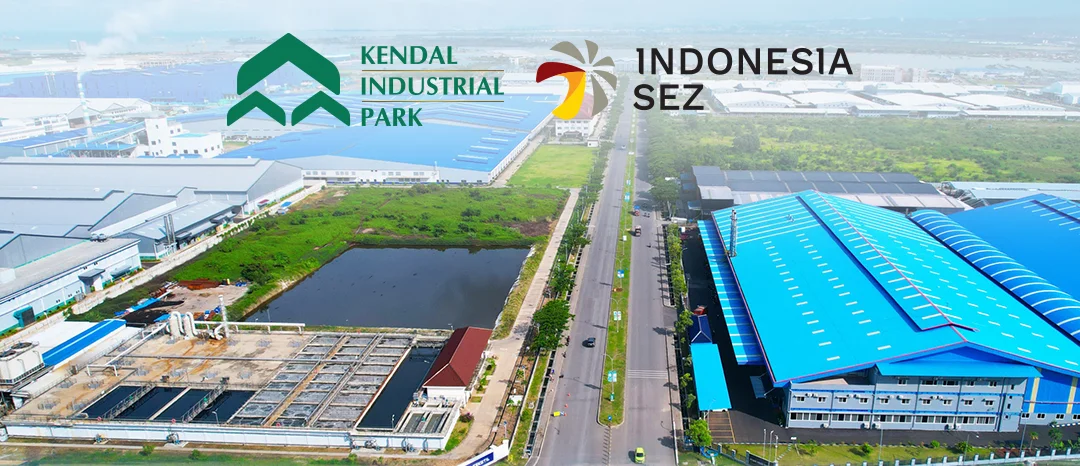
RRI.CO.ID, Jakarta - Minister of Industry Agus Gumiwang Kartasasmita revealed that IDR 6,800 trillion has been invested in Indonesia’s industrial estates, employing 2.36 million people. The government is encouraging higher occupancy rates to maximize investment and strengthen the manufacturing sector.
Minister Agus said the success of industrial estate development is now measured by their ability to attract investment and generate industrial activity rather than by the number of estates built.
“Adding estates without filling them means we are increasing supply, not increasing competitiveness,” he said at the opening of the National Working Meeting of the Industrial Estate Association (HKI) in Jakarta on Thursday, July 30, 2026, as quoted by Antara.
Over the past three years, the government has issued Industrial Estate Business Permits for 33 new estates, bringing the total number nationwide to 180.
Minister Agus noted that the next challenge is increasing investment attractiveness to ensure high occupancy rates despite growth. Investors, he said, need estates capable of accelerating investment realization and entering the production phase.
Industrial estate managers are therefore encouraged to transform into integrated ecosystems that facilitate investment, serve as supply chain hubs, promote innovation, develop human resources, and support the transition to green industry.
To increase investor interest, Minister Agus urged managers to strengthen three key aspects: licensing procedures, supporting infrastructure, and reliable energy supply, including renewable sources.
He added that changes in the global trade landscape -- including supply chain disruptions and geopolitical tensions -- create opportunities for Indonesia to attract more manufacturing investment and strengthen its position as a global production base.
This opportunity is supported by the manufacturing sector’s continued growth. In the first quarter of 2026, the Indonesian economy grew 5.61 percent, with manufacturing contributing the most at 1.03 percent. The sector grew 5.04 percent, up from 4.55 percent in the same period last year.
Minister Agus emphasized that manufacturing remains the backbone of the national economy, contributing 19.07 percent to gross domestic product (GDP), 36.49 percent to national investment realization, and 82.03 percent to non‑oil and gas exports. It also employs more than 20 million workers. ***
News Recomendation
Memuat berita terbaru.....