



Indonesia Prepares Textile Sector for UK, EU Markets
- 24 Jul 2026 16:43 WIB
- Voice of Indonesia
Poin Utama
- Indonesia is preparing exporters to comply with upcoming UK and EU DPP regulations starting in 2027, ensuring supply chain transparency, sustainability, and continued market access.
- Finalized negotiations on the Indonesia–EU trade deal (IEU-CEPA) will lower tariff barriers and integrate Indonesia's $4.79B textile sector deeper into global supply chains.
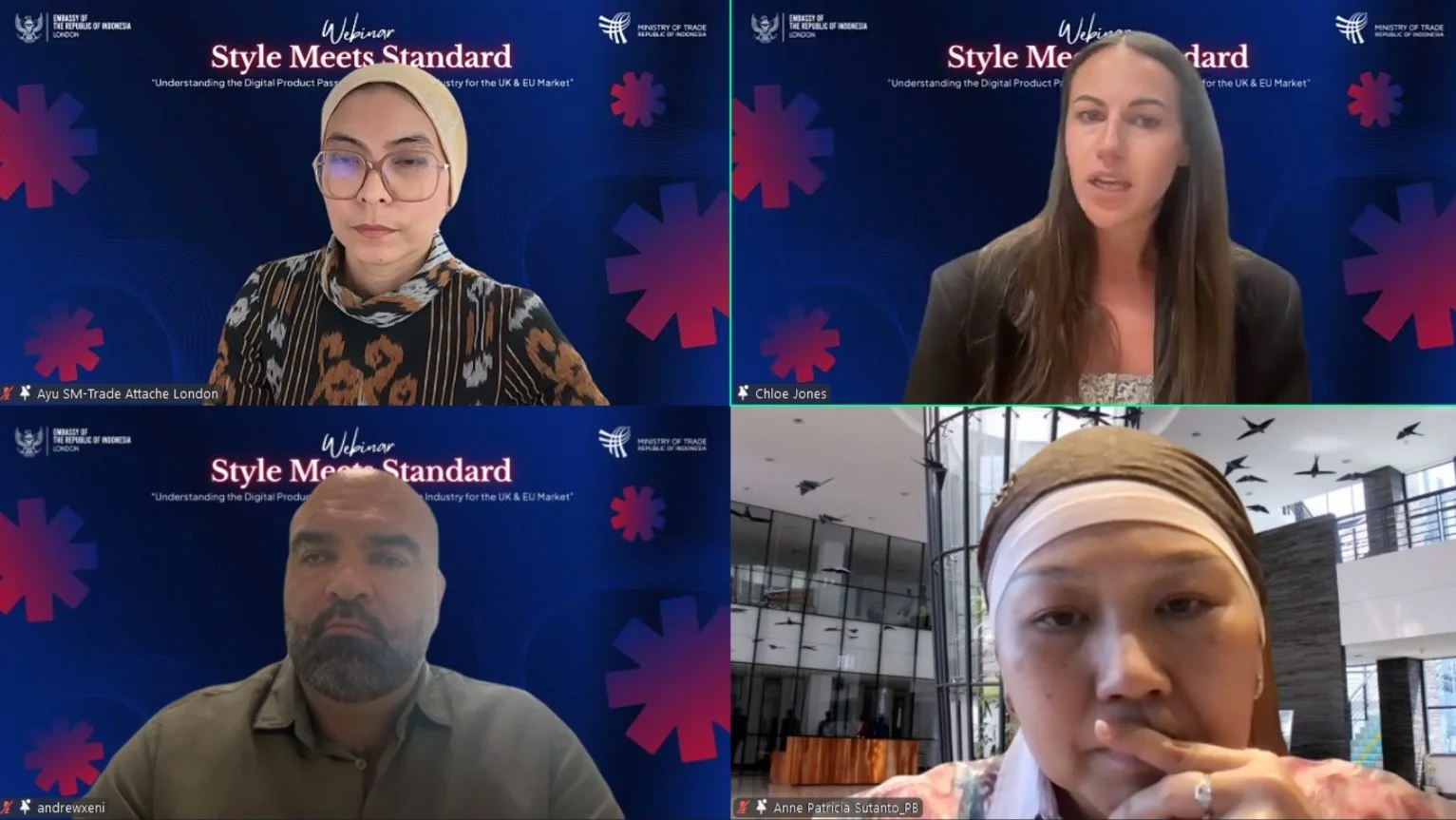
RRI.CO.ID, Jakarta – The Indonesian government is taking proactive steps to strengthen the readiness of the national textile and textile products (TPT) industry to meet Digital Product Passport (DPP) standards currently being implemented across UK and EU markets. Compliance with this digital tracking system, which verifies product origins and supply chain sustainability, is key for Indonesian exporters seeking to maintain and expand their international market share.
Implementing this product traceability standard is highly strategic, given that Indonesia’s TPT export performance from January to May 2026 reached USD 4.79 billion, yielding a trade surplus of USD 962 million. Amid shifting global consumer trends that increasingly prioritize transparency and ethical business practices, readiness to adopt the DPP is seen as a decisive factor for the competitiveness of national fashion products in the European market.
Director General of National Export Development at the Ministry of Trade, Fajarini Puntodewi, emphasized the importance of domestic manufacturers mastering these digital tools. “The DPP is a new standard that will strengthen product transparency, traceability, and sustainability in the UK and EU markets. We hope this webinar provides practical insights for businesses so they can adapt to and capitalize on the opportunities presented by this new standard,” Puntodewi said.
This adaptation effort receives strong support amid rapid regulatory developments in the European Union, which will begin phasing in the DPP in 2027 with a primary focus on the textile sector. The Indonesian Ambassador to the United Kingdom, Ireland, and the IMO Desra Percaya reaffirmed the government’s commitment to supporting local exporters so they can fully comply with these new regulations.
“Therefore, the government is committed to providing support through trade promotion, capacity building, and international partnerships to ensure Indonesian exporters are ready to meet the new standards in the UK and EU markets,” he added.
Opportunities for the Indonesian textile industry to enter the European market are projected to expand significantly upon concluding negotiations for the Indonesia–European Union Comprehensive Economic Partnership Agreement (IEU-CEPA), which has entered its final stage. This preferential market access is expected to reduce tariff barriers while facilitating the integration of the national textile and apparel supply chain into the global market.
Chairperson of the Indonesian Garment and Textile Association (AGTI), Anne Patricia Sutanto, believes the trade agreement will have a significantly positive impact on domestic industry capacity. “Indonesia has a competitive edge in the garment, knitted and woven fabric, and synthetic fiber industries, supported by a comprehensive supply chain and a skilled workforce,” she said.
News Recomendation
Memuat berita terbaru.....