



Indonesia Wins Partial Victory in WTO Fatty Acid Market Dispute
- 15 Jul 2026 18:31 WIB
- Voice of Indonesia
Poin Utama
- Indonesia won a partial victory because the WTO agreed that the European Union used incorrect math to calculate trade taxes (anti-dumping duties) on Indonesian fatty acids. However, some of Indonesia's bigger legal claims were rejected.
- Since the unfair trade taxes were not completely removed, the Indonesian government plans to use trade diplomacy and other strategies to keep protecting its palm oil exports to Europe.
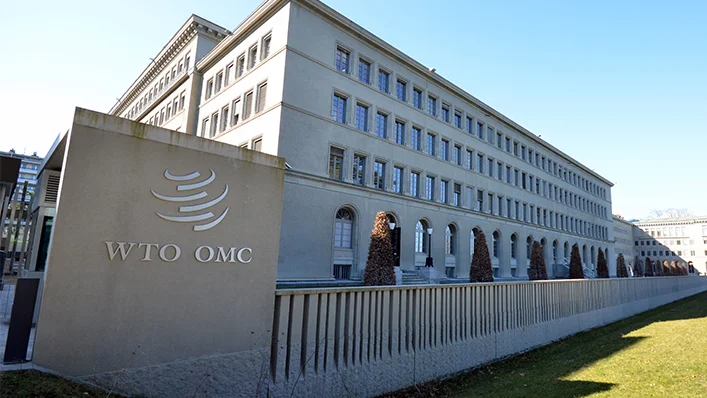
RRI.CO.ID, Jakarta – Indonesia has achieved a partial victory in the World Trade Organization (WTO) dispute DS622 regarding the European Union’s imposition of anti-dumping duties on imports of fatty acid products from Indonesia. This was reported in a written press release from the ministry on Wednesday, July 15, 2026.
In this case, the WTO Panel rejected several key legal claims filed by the Government of Indonesia, but it upheld some of the technical claims raised. This partial victory is outlined in the Panel Decision/Final Report published on July 8, 2026.
In response to this decision, Indonesia's Trade Minister, Budi Santoso, emphasized that the Indonesian government is committed to safeguarding and defending national export interests. This will be achieved by utilizing all available instruments following the WTO Panel’s ruling. The Indonesian government will use the WTO Panel’s findings as a basis to continue fighting for Indonesia’s export market access in the European Union.
“The government will not stop safeguarding the interests of national commodity exports. Although the WTO Panel only upheld some of our claims, the Indonesian government’s primary focus at this time is to move forward by pursuing all available strategic alternatives, including trade diplomacy. These efforts are being made to ensure that Indonesian fatty acid products do not face detrimental barriers in the European Union market,” Budi stated.
In its ruling, the WTO Panel partially upheld Indonesia’s claims regarding inconsistencies in the methodology used by European Union authorities to determine the dumping margin. This recognition represents a significant achievement in the fight for fair and rules-based trade. However, several of Indonesia’s substantive arguments were not upheld, and the ruling has not yet overturned the application of the anti-dumping duty in its entirety.
As a follow-up, the Government of Indonesia will optimize various strategic alternatives outside of legal mechanisms. Budi hopes these steps will support the smooth operation of the supply chain for the national downstream palm oil industry and enhance the competitiveness of Indonesian products in the European Union and global markets.
Meanwhile, he continues to view the WTO Panel’s decision as the result of close cooperation between the Government of Indonesia and stakeholders. “The legal and trade advocacy efforts undertaken so far are the result of solid teamwork among ministries, the private sector, associations, and international legal experts in Indonesia. We will continue to strengthen this synergy to mitigate the impact of the ruling and secure market access for our flagship commodities on the global stage,” Minister Budi said.
News Recomendation
Memuat berita terbaru.....