



Indonesia’s Foreign Debt Stable at USD 437 Billion in February 2026
- 15 Apr 2026 15:47 WIB
- Voice of Indonesia
Poin Utama
- Bank Indonesia (BI) reported that Indonesia’s foreign debt in February 2026 grew 2.5 percent year-on-year (yoy).
- BI Communication Director Anton Pitono said the increase was mainly driven by public-sector foreign debt.
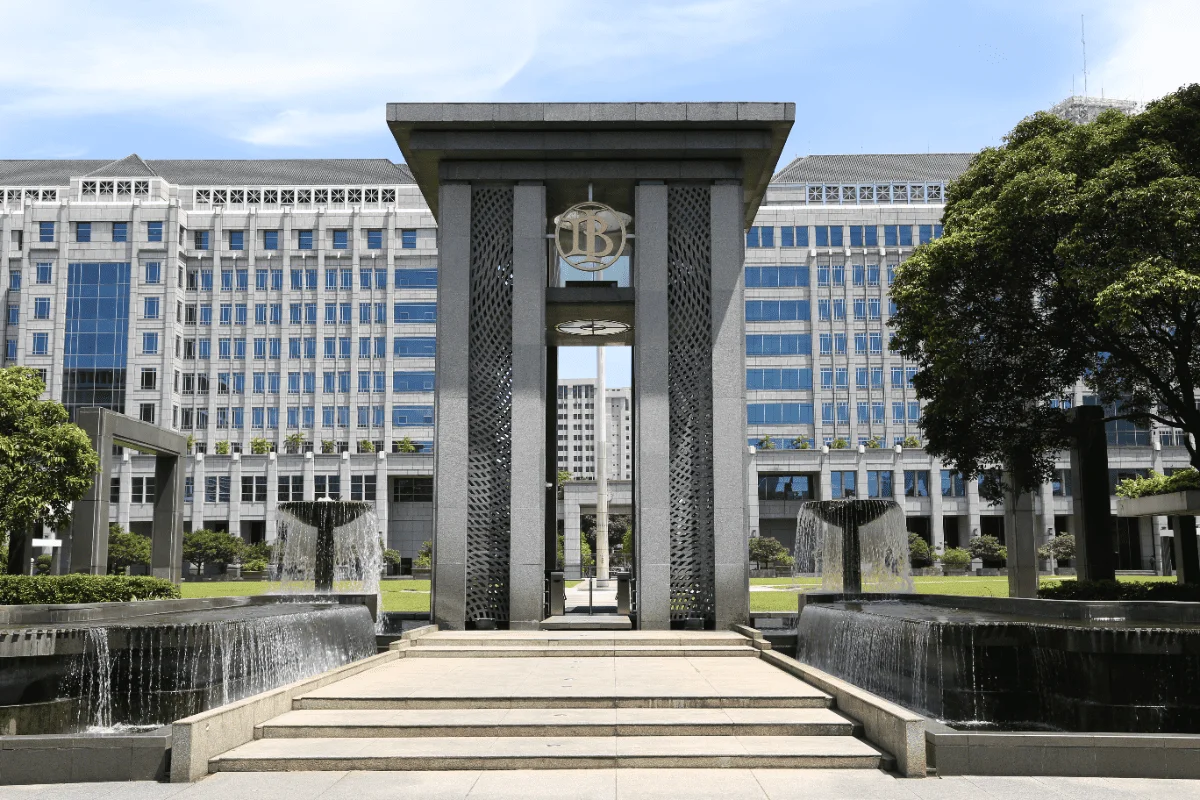
RRI.CO.ID, Jakarta - Bank Indonesia (BI) reported that Indonesia’s foreign debt in February 2026 remained stable at USD 437.9 billion, up from USD 434.9 billion in January.
Director of the Communication Department at BI, Anton Pitono, said foreign debt grew 2.5 percent year-on-year (yoy) in February, higher than the 1.7 percent growth recorded in the previous month. “This figure is higher than the growth in the previous month, which was 1.7 percent (yoy),” Anton said on Wednesday, April 15, 2026, as quoted by Bank Indonesia's official website.
He explained that the increase was mainly driven by public-sector foreign debt, particularly that of the central bank, supported by foreign capital inflows into BI Rupiah Securities (SRBI). “The rise in foreign debt was primarily driven by the central bank, along with inflows into SRBI,” Anton noted. In contrast, private-sector foreign debt declined.
The government’s foreign debt stood at USD 215.9 billion in February, up 5.5 percent (yoy), slightly lower than the 5.6 percent growth in January. “This is slightly lower compared to the growth in the previous month of 5.6 percent (yoy),” Anton said.
Government debt remains dominated by long-term instruments, accounting for 99.98 percent of the total. By sector, government foreign debt was allocated to Health Services and Social Activities (22.0 percent), General Government, Defense, and Mandatory Social Security (20.3 percent), Education Services (16.2 percent), Construction (11.6 percent), and Transportation and Warehousing (8.5 percent).
Meanwhile, the central bank’s foreign debt rose due to increased non-resident holdings of BI’s monetary instruments. “This aligns with pro-market monetary policy and efforts to maintain rupiah exchange rate stability amid rising global uncertainty,” Anton explained.
Private-sector foreign debt reached USD 193.7 billion in February, down 0.7 percent (yoy). Financial corporations recorded a 2.8 percent decline, while non-financial corporations fell 0.2 percent.
By sector, private foreign debt was concentrated in manufacturing, financial services and insurance, electricity and gas supply, and mining and quarrying, which together accounted for 80.3 percent. Long-term debt accounted for 76.0 percent of total private foreign debt.
Anton emphasized that Indonesia’s foreign debt structure remains healthy, supported by prudent management. “Indonesia’s debt-to-GDP ratio stands at 29.8 percent, with long-term debt dominating at 84.9 percent,” he said.
He added that BI and the government continue to strengthen coordination in monitoring developments in foreign debt. “The role of foreign debt will be optimized to support development financing and drive sustainable economic growth, while minimizing risks to economic stability,” Anton concluded. ***
News Recomendation
Memuat berita terbaru.....