



Indonesia Urged to Ensure Fair Halal Standards for Local Producers
- 23 Feb 2026 13:56 WIB
- Voice of Indonesia
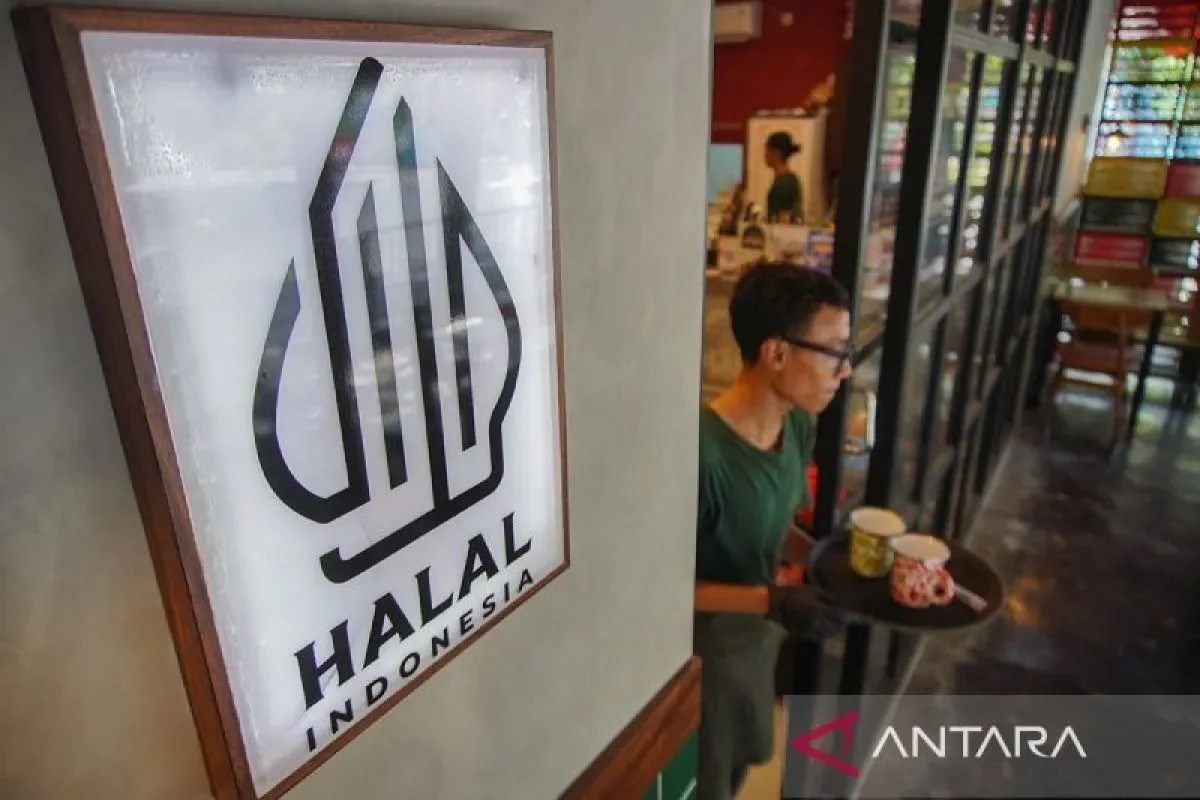
RRI.CO.ID, Jakarta - The Indonesian halal certification policy faces scrutiny amid U.S. trade deal. The Assessment Institute for Food, Drugs, and Cosmetics of the Indonesian Ulema Council (LPPOM MUI) has urged the government to ensure equal treatment for local producers in the implementation of halal certification.
“We encourage the government to provide fair treatment and show support for domestic producers,” said LPPOM MUI President Director Muti Arintawati in Jakarta on Monday, February 23, 2026, as quoted by Antara.
Her remarks came in response to a recent trade agreement between Indonesia and the United States, particularly concerning the halal certification of American products entering the Indonesian market.
Muti pointed to Government Regulation No. 42/2024, which requires cosmetics, medical devices, and related services such as distribution to carry halal certification, while non-halal products must be clearly labeled.
However, she noted that the Memorandum of Understanding (MoU) received by LPPOM raises concerns about inconsistencies.
According to Muti, the MoU exempts U.S. cosmetics, medical devices, and distribution services from halal certification requirements, and non-halal products are not obliged to carry “non-halal” labels.
Similar exemptions appear in Article 2.22, which excludes non-animal food products from halal certification and removes the obligation for companies to appoint halal supervisors.
“This creates an uneven playing field, where local producers and those from other countries remain bound by obligations that U.S. producers do not face,” she explained. Muti warned that such disparities could invite demands from other nations and even trigger complaints at the World Trade Organization (WTO) over discrimination.
She stressed that Indonesia must resist foreign pressure and uphold equal standards. “We urge the government to ensure fairness and stand by local producers," she said.
Previously, Indonesian Cabinet Secretary Teddy Indra Wijaya dismissed claims that U.S. products could enter Indonesia without halal certification. “That is not true,” he said in a statement on Sunday, February 22, calling the reports misleading.
Teddy clarified that all products subject to halal requirements must carry official halal labels, whether issued by accredited bodies in the U.S. or by Indonesian authorities.
For food and beverages, halal certification remains mandatory. In the U.S., institutions such as Halal Transactions of Omaha (HTO) and the Islamic Food and Nutrition Council of America (IFANCA) are authorized to issue certificates, while in Indonesia the responsibility lies with the Halal Product Assurance Organizing Agency (BPJPH).
He added that cosmetics and medical devices are also subject to strict oversight, requiring distribution permits and certification from Indonesia’s Food and Drug Supervisory Agency (BPOM).
Teddy emphasized that Indonesia and the U.S. have established a Mutual Recognition Agreement (MRA) on halal standards, allowing certification equivalence without lowering regulatory standards.
The debate emerged after Indonesia and the U.S. signed a reciprocal tariff agreement (ART) in Washington, witnessed by President Prabowo Subianto and President Donald Trump.
Annex III Article 2.9 of the agreement outlines adjustments to halal rules to facilitate U.S. exports of cosmetics, medical devices, and other goods, with further technical discussions to be held at the U.S. Trade Representative’s office. ***
News Recomendation
Memuat berita terbaru.....