



Madura Hand-Drawn Batik Gains Modern Appeal for Youth
- 03 Okt 2026 00:43 WIB
- Voice of Indonesia
Poin Utama
- Muhammad Aufal Fresky, a batik tulis entrepreneur from Pamekasan, East Java, preserves Madura's handwritten batik tradition while adapting to modern consumer preferences.
- His family business continues to produce authentic handwritten batik without combining handwritten, stamped, or printed techniques.
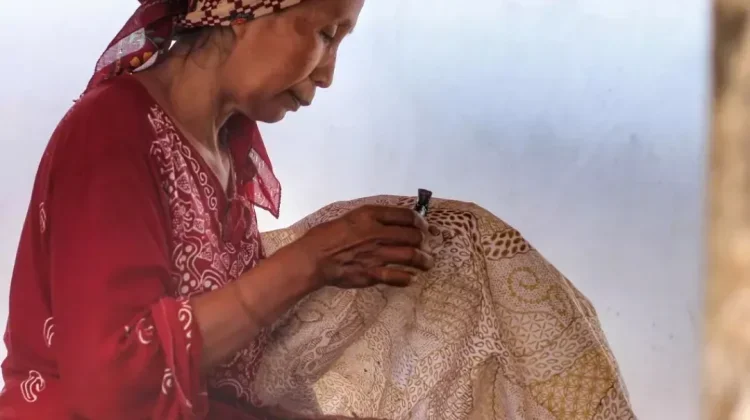
RRI.CO.ID, Pamekasan - Innovation without abandoning traditional roots has become the key to preserving Madura’s handwritten batik amid modernization. Muhammad Aufal Fresky, a Madura batik tulis entrepreneur from Pamekasan, East Java, consistently produces purely authentic handwritten batik, without mixing in stamped or printed techniques.
“This family business that I manage has been passed down through generations. We continue to uphold legendary canonical motifs such as Beras Tumpah and Serat Kayu as our main identity,” he said on Friday, October 2, 2026.
While firmly adhering to ancestral conventions, Aufal recognizes the importance of adapting to younger generations’ tastes so that batik remains relevant for everyday wear. He has begun introducing bright, contemporary color options in variations of contemporary batik without diminishing its local aesthetic value.
“This step was taken to break the old stigma that handwritten batik is synonymous with expensive, stiff clothing suitable only for older people,” he said.
As part of public education efforts, Aufal frequently shares information on how to distinguish authentic handwritten batik from stamped batik. The main characteristic of handwritten batik lies in its pattern and motif spacing, which are not entirely precise because they are made purely by human hands.
“This natural imperfection actually provides a high value of uniqueness and authenticity that cannot be replicated by the neatness of factory machines,” he added.
Maintaining the existence of a small-scale handwritten batik micro, small, and medium enterprise (MSME) requires well-formulated, adaptive pricing and marketing strategies. Selling prices depend heavily on the complexity of the batik-making process, fabric quality, dyeing techniques, and working duration.
“The products we offer have a fairly wide price range, from IDR 200,000 (USD 11.16) up to IDR 10 million (USD 557.79) per piece,” he said.
To expand market reach to the national level, Aufal employs direct (face-to-face) promotion and strengthens partnership networks. He actively introduces the advantages of various signature Madurese motifs, such as Serat Kayu, Junjung Derajat, and Burung Mata Perkutut, to guests and researchers visiting his area.
“This step is also supported by partnership programs with state-owned enterprises such as the state-owned power company (PLN), which help boost daily production volume,” he added.
Meanwhile, social media platforms like TikTok and Instagram have become central pillars in building positive perceptions and attracting potential buyers from outside the region. Authentic video posts showing the batik-making process from start to finish have successfully drawn tourist groups and institutions from various cities to visit.
“This digital approach has proven effective in bridging traditional marketing toward a more inclusive modern market,” he said.
Aufal hopes that the momentum of the national batik industry can continue to grow positively, directly improving the livelihoods of artisans in the regions.
On the occasion of National Batik Day on October 2, Aufal invited all segments of society to demonstrate pride in batik through concrete actions. Small steps, such as promoting local artisans’ work on social media or visiting craft centers, are highly meaningful for the sustainability of the industry.
He is optimistic that collective attention to artisans’ welfare will keep the flame of the Nusantara handwritten batik industry alive across generations. (Annaila Azzahra-EN)
News Recomendation
Memuat berita terbaru.....