



Indonesia's Rich Botanical Wealth for Medicine & Cuisine
- 28 Sep 2026 22:10 WIB
- Voice of Indonesia
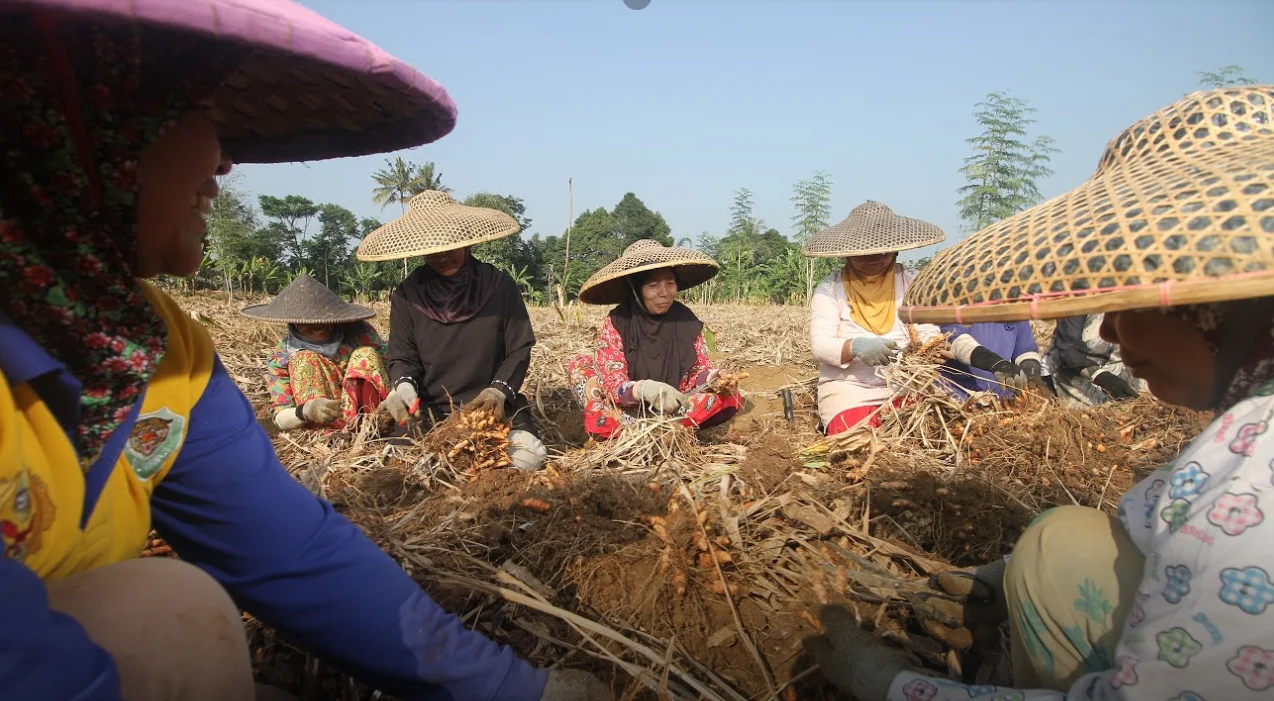
RRI.CO.ID, Jakarta - Indonesia's vast plant diversity has supported traditional medicine and culinary practices for centuries. The country's botanical wealth has been explored and passed down through generations across its many regions.
Indonesia has around 30,000 plant species among approximately 40,000 tropical plant species worldwide. Its biological diversity is also reflected in temple reliefs from the Majapahit era, which depict various plants used by earlier communities.
Historical research has identified plant depictions at several archaeological sites in East Java. A 1999 study documented 16 plant species across reliefs at Trowulan Museum, Kendalisodo Temple, Rimbi Temple, and Jawi Temple.
Indonesian communities have traditionally experimented with botanical resources for food, medicine, and other daily needs. Ginger, temulawak, galangal, turmeric, kencur, tamarind, and Javanese long pepper remain among the plants used in traditional practices.
A Ministry of Health survey cited in 2013 examined 20 percent of Indonesia's 1,168 ethnic groups. The survey identified more than 1,500 herbs from 24,927 species of local medicinal plants.
Further research through the Medicinal Plants and Herbs Research program recorded 32,014 ingredients from 47,466 documented herbal recipes. The findings covered research conducted between 2012 and 2017, highlighting the breadth of Indonesia's traditional plant knowledge.
Several plants have distinctive uses in Indonesian food and herbal practices. Kencur, for example, is used in Javanese and Balinese cooking and forms an ingredient in beras kencur, a popular traditional herbal drink.
Turmeric is used in traditional food, herbal preparations, and natural dyes, while galangal is commonly used as a cooking ingredient. Tamarind also serves both culinary and traditional medicinal purposes, while ginger can be used fresh, dried, powdered, or as essential oil.
Indonesia's extensive botanical knowledge remains an important cultural resource across generations. Protecting native plants and traditional knowledge is essential to prevent biodiversity loss and biopiracy.
News Recomendation
Memuat berita terbaru.....